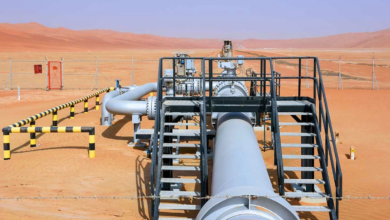

شهدت أسواق الطاقة العالمية حالة من الاستقرار النسبي في تعاملات اليوم، حيث لم يطرأ تغير كبير على أسعار النفط، في وقت يعكف فيه المستثمرون على تقييم المشهد الجيوسياسي والاقتصادي المعقد. وقد سجلت العقود الآجلة لخام برنت ارتفاعاً طفيفاً بمقدار 3 سنتات لتستقر عند مستوى 67.78 دولار للبرميل، بينما زاد خام غرب تكساس الوسيط الأمريكي سنتين اثنين، مع غياب التسوية الرسمية للخام الأمريكي اليوم بسبب عطلة رسمية في الولايات المتحدة.
ترقب المحادثات الأمريكية الإيرانية
يأتي هذا الاستقرار الحذر في وقت تتوجه فيه الأنظار صوب المحادثات المرتقبة بين الولايات المتحدة وإيران. ويخشى المتعاملون في السوق من أن تؤدي أي انفراجة دبلوماسية أو اتفاق جديد إلى تخفيف العقوبات عن طهران، مما يعني ضخ كميات إضافية من النفط الخام الإيراني إلى الأسواق العالمية. هذه التوقعات تضع ضغوطاً على الأسعار، خاصة في ظل الحديث عن زيادة متوقعة في إمدادات تحالف «أوبك+»، الذي يسعى للموازنة بين العرض والطلب لضمان استقرار السوق.
علاوة المخاطر الجيوسياسية
على صعيد الأداء الأسبوعي، سجل كلا المؤشرين انخفاضاً خلال الأسبوع الماضي، حيث تراجع برنت بنحو 0.5% وخسر خام غرب تكساس 1%، متأثرين بتصريحات الرئيس الأمريكي دونالد ترمب حول احتمالية التوصل لاتفاق مع إيران. وفي هذا السياق، علق توني سيكامور، محلل السوق في «آي.جي»، قائلاً: «استجابت السوق بشكل جيد إلى حد ما لتلك التقارير، ولولا علاوة المخاطر الجيوسياسية أو الدعم الحالي، لكان سعر النفط الخام أقل من 60 دولاراً هذا الصباح»، مشيراً إلى أن التوترات السياسية لا تزال تلعب دوراً حاسماً في منع انهيار الأسعار.
السياق الاقتصادي وتأثير «أوبك+»
تعتبر تحركات تحالف «أوبك+» عاملاً محورياً في تحديد مسار الأسعار. تاريخياً، لعب التحالف دوراً بارزاً في سحب الفائض من السوق عبر تخفيضات الإنتاج لدعم الأسعار خلال فترات الركود. ومع تعافي الاقتصاد العالمي تدريجياً، يراقب المحللون بحذر أي قرار بزيادة الإنتاج، حيث أن ضخ كميات كبيرة دون وجود طلب حقيقي قد يؤدي إلى تخمة في المعروض وتراجع حاد في الإيرادات للدول المنتجة.
التأثيرات الاقتصادية المتوقعة
يحمل استقرار النفط عند مستويات تقارب 68 دولاراً للبرميل دلالات اقتصادية هامة على الصعيدين الإقليمي والدولي. بالنسبة للدول المستهلكة، قد يؤدي ارتفاع الأسعار إلى زيادة تكاليف النقل والإنتاج، مما يغذي معدلات التضخم العالمية. أما بالنسبة للدول المنتجة، وخاصة في منطقة الخليج العربي، فإن هذه المستويات السعرية تعتبر ضرورية لتقليص العجز في الموازنات العامة وتمويل المشاريع التنموية. ويبقى المشهد مرهوناً بمدى نجاح الدبلوماسية في الملف الإيراني وقدرة «أوبك+» على إدارة دفة المعروض بمرونة تتناسب مع متغيرات الاقتصاد العالمي.