
قفزة تاريخية في أسواق الطاقة
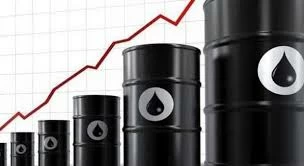
سجلت أسواق الطاقة العالمية تطوراً غير مسبوق، حيث قفزت الأسعار الفورية لخام بحر الشمال إلى مستوى قياسي تاريخي يقترب من حاجز 150 دولاراً للبرميل. وتأتي هذه القفزة الهائلة بالتزامن مع تصاعد المخاوف العميقة من حدوث اضطرابات طويلة الأمد في سوق النفط العالمي، وذلك على إثر تفاقم التوترات الجيوسياسية في منطقة الشرق الأوسط، والتي تعد الشريان الرئيسي لإمدادات الطاقة في العالم.
وأظهرت البيانات الصادرة عن مؤسسة «إس آند بي جلوبال» المتخصصة، ارتفاع سعر التسليم الفوري لخام «فورتيس» (أحد خامات بحر الشمال الرئيسية) ليصل إلى 148.87 دولار للبرميل في تعاملات يوم الإثنين، وهو ما يمثل أعلى مستوى يسجله هذا الخام على الإطلاق في تاريخه.
وجاءت هذه القفزة السعرية الحادة مدفوعة بمخاوف حقيقية من نقص المعروض النفطي، خاصة بعد تصاعد التوترات الأمنية المرتبطة بحركة الملاحة في مضيق هرمز الاستراتيجي. وقد أدى هذا الوضع الاستثنائي إلى دفع الأسواق الفورية لتسجيل علاوة سعرية حادة جداً مقارنة بأسواق العقود الآجلة، مما يعكس حالة القلق الفوري لدى المشترين وتهافتهم على تأمين الإمدادات.
أسعار خام برنت وغرب تكساس
على صعيد العقود الآجلة، تجاوزت أسعار النفط القياسية حاجز 100 دولار للبرميل بثبات. ويأتي هذا الارتفاع في الوقت الذي تستعد فيه القوات البحرية الأمريكية لفرض سيطرة أوسع على حركة السفن وناقلات النفط في مضيق هرمز. وتعتبر هذه الخطوة حاسمة، إذ قد تؤدي إلى الحد بشكل كبير من صادرات النفط الإيرانية، وذلك في أعقاب تعثر المفاوضات بين واشنطن وطهران وفشلهما في التوصل إلى اتفاق شامل ينهي حالة التوتر القائمة.
وفي لغة الأرقام، ارتفعت العقود الآجلة لخام برنت القياسي العالمي بمقدار 7.01 دولار، أي بنسبة زيادة بلغت 7.36%، لتستقر عند مستوى 102.21 دولار للبرميل، وذلك بعد أن كانت قد أغلقت على انخفاض طفيف بنسبة 0.75% في تداولات يوم الجمعة الماضي. وفي السياق ذاته، بلغ سعر خام غرب تكساس الوسيط الأمريكي 104.87 دولار للبرميل، مسجلاً ارتفاعاً قدره 8.30 دولار أو ما يعادل 8.59%، ليعوض بذلك تراجعه الذي بلغ 1.33% في الجلسة السابقة.
الظروف السائدة وتصريحات الخبراء
وفي تعليقه على هذه التطورات المتسارعة، أوضح سول كافونيك، رئيس قسم أبحاث الطاقة في إحدى المجموعات العالمية المتخصصة، طبيعة المشهد الحالي قائلاً: «لقد عادت السوق النفطية الآن إلى حد كبير إلى الظروف القاسية التي كانت سائدة قبل إعلان وقف إطلاق النار، مع فارق جوهري يتمثل في أن الولايات المتحدة ستعمل الآن على منع التدفقات النفطية الإيرانية المتبقية، والتي تقدر بحوالي مليوني برميل يومياً، من العبور عبر مضيق هرمز».
السياق التاريخي وأهمية مضيق هرمز
لفهم حجم هذا الحدث وتأثيره على أسعار النفط، يجب النظر إلى الأهمية الاستراتيجية لمضيق هرمز، والذي يمر عبره نحو خُمس استهلاك العالم من النفط يومياً. تاريخياً، كانت أسعار النفط شديدة الحساسية لأي تهديدات تمس هذا الممر المائي. وتذكرنا هذه المستويات القياسية بأزمة عام 2008 عندما اقتربت أسعار النفط من 147 دولاراً للبرميل. إن وصول الأسعار الفورية لخام فورتيس إلى ما يقارب 150 دولاراً يعكس تسعيراً مباشراً لـ “علاوة المخاطر الجيوسياسية”، حيث تخشى الأسواق من تكرار صدمات النفط التاريخية التي شهدها العالم في السبعينيات وأوائل التسعينيات.
التأثيرات الاقتصادية المتوقعة محلياً وعالمياً
إن بلوغ أسعار النفط هذه المستويات القياسية يحمل تداعيات اقتصادية واسعة النطاق. على المستوى العالمي، يهدد هذا الارتفاع بتأجيج موجات التضخم، مما يضع البنوك المركزية الكبرى أمام تحديات معقدة للسيطرة على الأسعار دون إدخال الاقتصاد العالمي في حالة ركود. أما على الصعيد الإقليمي، فرغم أن الدول المصدرة للنفط قد تشهد زيادة ملحوظة في إيراداتها المالية على المدى القصير، إلا أن تصاعد المخاطر الأمنية يهدد استقرار البنية التحتية للطاقة. ومحلياً، بالنسبة للدول المستوردة للطاقة، فإن هذه القفزة ستترجم فوراً إلى ارتفاع في تكاليف الوقود والنقل، مما يثقل كاهل الموازنات الحكومية ويزيد من الأعباء المعيشية على المواطنين.