Global energy markets experienced dramatic and sudden movements, with oil prices surging by more than 13% in an immediate and sharp reaction to news of a potential direct military confrontation and declaration of war between the United States and Iran. This dangerous development prompted investors to radically reassess geopolitical risks, pushing Brent crude to nearly $82 a barrel before paring some of its gains amid heightened anticipation and extreme caution.
Oil expected to reach $100
Amid this tense situation, major financial institutions and energy sector experts have been quick to revise their forecasts. Current estimates from several investment banks indicate that continued military escalation and the potential for a prolonged conflict could push Brent crude oil prices above $100 per barrel in record time. This scenario hinges primarily on concerns about disruptions to supply chains in the Arabian Gulf region, the heart of the global oil industry.
The Strait of Hormuz: The world's energy lifeline is in danger
To understand the depth of the current crisis, one must consider the strategic importance of the theater of operations. Market concerns are primarily focused on the Strait of Hormuz , the world's most strategically vital waterway for oil trade. Historically, nearly one-fifth of the world's liquid oil consumption—more than 20 million barrels per day—passes through this strait. Any threat of closing or disrupting navigation through this strait would not only cause a temporary price spike but also represent a supply shock that the world might struggle to compensate for quickly, thus justifying the panic buying that has gripped traders.
Potential economic and inflationary repercussions
The effects of this conflict extend far beyond the energy markets; soaring oil prices cast a dark shadow over the global economy as a whole. Oil is a fundamental input in all industries and supply chains, and sustained high prices could trigger a new wave of global inflation . This could place central banks worldwide in a difficult position, as they may be forced to keep interest rates high for longer to curb inflation, which in turn could put pressure on economic growth and increase the risk of recession.
Wall Street and the flight to safe havens
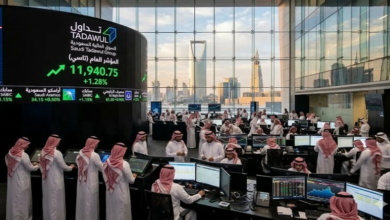
On the other side of the financial markets, the reaction was decidedly negative in the stock markets. Dow Jones Industrial by about 517 points in early trading, reflecting the anxiety gripping investors on Wall Street. This sharp decline points to a "flight to quality" strategy, where investors abandon risky assets and flock to traditional safe havens such as gold and government bonds, hedging against the uncertainty surrounding the geopolitical landscape and its unpredictable repercussions on the global economy.