
تفاصيل حادث انفجارات في مصفاة نفط بأستراليا
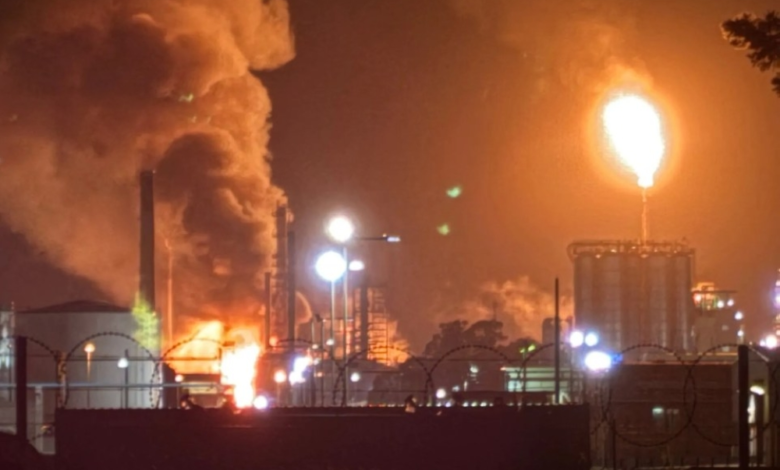
أعلنت السلطات الأسترالية، في تطور أمني وصناعي لافت، عن وقوع حريق ضخم وخارج عن السيطرة في إحدى مصفاتي النفط المتبقيتين في أستراليا. هذا الحادث الخطير وقع تحديداً في مصفاة فيفا إنرجي (Viva Energy) لتكرير النفط، والتي تقع في مدينة غيلونغ بولاية فيكتوريا الأسترالية. وتعتبر هذه المصفاة من أهم المنشآت الحيوية في البلاد، حيث تسهم في تزويد أستراليا بحوالي 10% من إجمالي استهلاكها المحلي من الوقود ومصادر الطاقة المختلفة.
وفي تفاصيل الحادث، أوضحت إدارة الإطفاء والإنقاذ في ولاية فيكتوريا أنها تلقت بلاغات متعددة ومكثفة تفيد بسماع دوي انفجارات قوية ورؤية ألسنة لهب تتصاعد بكثافة من داخل مصفاة النفط في غيلونغ. ورغم الجهود الحثيثة التي تبذلها فرق الإطفاء، لم تتم السيطرة بشكل كامل على الحريق حتى اللحظة، إلا أن السلطات أكدت أن النيران لا تزال محصورة داخل حدود المحطة الصناعية ولم تمتد إلى المناطق السكنية المجاورة. وقد شمل الحريق احتراق كميات من الوقود السائل والغازات، مما يزيد من تعقيد عمليات الإخماد ويتطلب تدخلاً متخصصاً للتعامل مع المواد الكيميائية القابلة للاشتعال.
السياق العام والخلفية التاريخية لأزمة مصافي النفط الأسترالية
لفهم مدى خطورة وقوع انفجارات في مصفاة نفط بأستراليا، يجب النظر إلى السياق التاريخي لصناعة تكرير النفط في البلاد. على مدى العقود الماضية، شهدت أستراليا تراجعاً حاداً في قدراتها المحلية على تكرير النفط الخام. فبعد أن كانت تمتلك العديد من المصافي التي تلبي معظم احتياجاتها، أغلقت العديد من الشركات الكبرى منشآتها بسبب المنافسة الشرسة مع المصافي الآسيوية الضخمة وانخفاض هوامش الربح، بالإضافة إلى تقادم البنية التحتية. واليوم، لم يتبق في أستراليا سوى مصفاتين فقط، إحداهما هي مصفاة غيلونغ التي تعرضت للحادث. هذا التراجع دفع الحكومة الأسترالية في السنوات الأخيرة إلى تقديم حزم دعم مالي بملايين الدولارات لضمان استمرار عمل هاتين المصفاتين، وذلك بهدف حماية الأمن القومي للطاقة وتجنب الاعتماد الكلي على استيراد الوقود المكرر من الخارج.
أهمية الحدث وتأثيره المتوقع على المستويات المحلية والإقليمية والدولية
يحمل حادث اندلاع حريق ووقوع انفجارات في مصفاة نفط بأستراليا تداعيات واسعة النطاق. على المستوى المحلي، يثير الحادث مخاوف جدية بشأن أمن إمدادات الوقود في ولاية فيكتوريا وأستراليا بشكل عام، حيث أن تعطل مصفاة توفر 10% من احتياجات البلاد قد يؤدي إلى نقص مؤقت في الإمدادات أو ارتفاع في أسعار الوقود للمستهلكين. كما يفرض الحادث تحديات بيئية وصحية تتعلق بجودة الهواء وسلامة العمال والمجتمعات المحلية المحيطة بمدينة غيلونغ.
أما على المستوى الإقليمي والدولي، فإن هذا الحدث يسلط الضوء مجدداً على هشاشة سلاسل توريد الطاقة العالمية. فرغم أن أستراليا ليست من كبار مصدري النفط المكرر، إلا أن أي اضطراب في إنتاجها المحلي يجبرها على زيادة وارداتها من الأسواق الآسيوية المجاورة، مما قد يشكل ضغطاً إضافياً على الطلب الإقليمي. علاوة على ذلك، يذكر هذا الحادث صناع القرار العالمي بأهمية الحفاظ على بنية تحتية قوية ومتنوعة للطاقة، خاصة في ظل التوترات الجيوسياسية الحالية التي تؤثر على أسواق النفط والغاز العالمية. إن استمرار مثل هذه الحوادث قد يدفع الدول إلى إعادة تقييم استراتيجياتها المتعلقة بالانتقال إلى الطاقة النظيفة وتقليل الاعتماد على الوقود الأحفوري التقليدي.