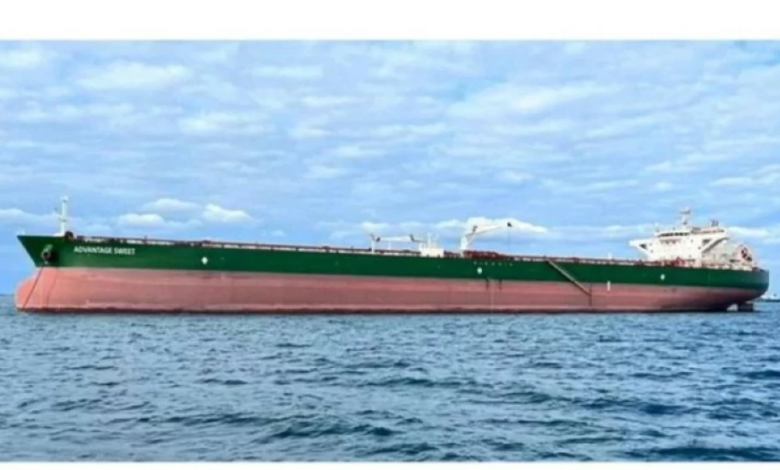

Shipping rates for supertankers bound from the Middle East to China have hit new record highs, the highest in more than two months, as geopolitical factors combined with logistical shortages have pushed maritime energy transport costs to unprecedented levels this year.
According to the latest data from the Baltic Exchange, daily revenues for tankers have surged to $126,000. This is the highest level recorded since late November and represents a dramatic increase of nearly four times the levels seen at the beginning of the year, putting significant pressure on refineries and importers in Asia.
Geopolitical tensions and their impact on maritime shipping
Prices have recently seen a further sharp jump of 62%, driven primarily by escalating fears in global markets of a potential US-led military strike against Iran. This region is a vital artery for global energy supplies, as a significant portion of the world's oil exports pass through the Strait of Hormuz.
Historically, any tensions in the Arabian Gulf region have led to an immediate increase in what is known as the "war risk premium" charged by insurance companies and ship owners, directly driving up shipping costs. This security concern coincides with a significant shortage of ships available for immediate loading, creating an ideal environment for such a sharp price increase.
Oil market trading and US inventories
In terms of crude oil prices, markets reacted to this data, with Brent crude futures for April settlement reaching $67.33 per barrel. Meanwhile, West Texas Intermediate (WTI) crude futures for March delivery rose slightly by 0.1% to trade at $63.28 per barrel.
In a related development reflecting strong demand or a decline in domestic supply in the United States, the American Petroleum Institute (API) reported in its preliminary data that US crude oil inventories fell by 11.1 million barrels last week. If these figures are confirmed by official data expected from the Energy Information Administration (EIA), this would represent the largest drawdown in inventories since last June, potentially providing further support for oil prices in global markets.
This rise in shipping costs, coupled with inventory data and political tensions, is putting global energy markets on tenterhooks, as traders closely monitor any developments that could affect supply chains from the Middle East to major consumers in Asia.