Targeting a fuel tank at the Port of Duqm: Details and strategic importance

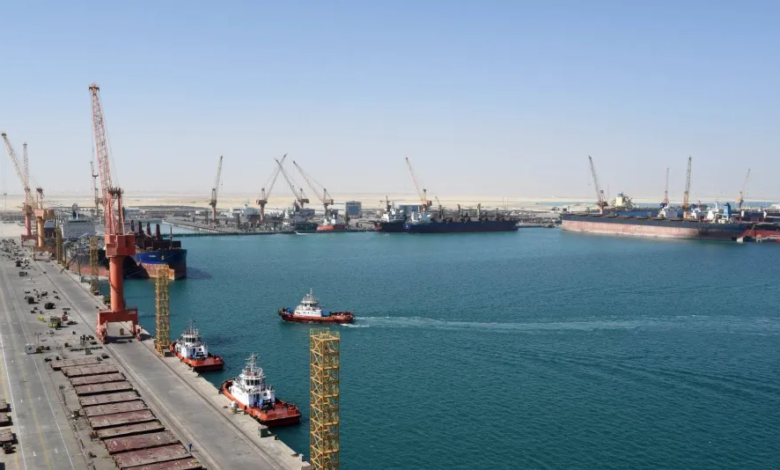
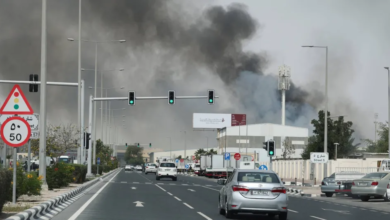
News reports indicate that a fuel storage tank at the Port of Duqm in Oman was targeted by drones, an incident that has garnered significant attention due to the port's strategic location on the Arabian Sea. This development comes at a time of heightened security concerns in the region, highlighting the importance of protecting vital infrastructure and global energy routes.
The strategic importance of the port of Duqm
The Port of Duqm is one of the most important economic and strategic projects in the Sultanate of Oman and the region as a whole. Located on the southeastern coast of the Sultanate, it overlooks the Arabian Sea and the Indian Ocean. Its paramount importance lies in its geographical location outside the Strait of Hormuz, making it a safe and alternative route for oil and gas exports and container trade, bypassing the potential tensions in the strait. The Sultanate has invested billions of dollars to transform Duqm into a special economic zone encompassing oil refineries, petrochemical complexes, and dry docks for ship repair, making it a cornerstone of Oman Vision 2040 for economic diversification.
Context of aerial and drone threats in the region
The Middle East has witnessed a significant increase in the use of drones as a tool in conflicts and geopolitical tensions in recent years. These drones have targeted oil facilities, airports, and ports in neighboring countries on previous occasions, keeping global energy security on high alert. Military experts point out that the low cost of these aircraft, their ability to fly long distances, and their maneuverability to evade conventional radar have made them a security challenge requiring advanced defense systems and regional and international cooperation strategies to mitigate their threat.
Potential economic and geopolitical impacts
Any targeting of vital facilities like the Port of Duqm carries repercussions that extend far beyond local borders. Economically, such incidents could lead to temporary disruptions in energy markets or a rise in marine insurance costs for commercial vessels and oil tankers transiting the region. Politically, the Sultanate of Oman has long been known for its neutral and mediating role in regional conflicts, and for its considerable security and stability compared to its regional neighbors. Therefore, such an incident represents a significant development that may prompt enhanced maritime security measures and intensified international cooperation to ensure the safety of navigation in the Arabian Sea and the Indian Ocean.
In conclusion, protecting the energy infrastructure in the Arabian Gulf and the Arabian Sea remains a top priority for the global economy, as observers closely follow the results of investigations and the actions that will be taken by the relevant authorities to ensure the continued flow of supplies and the safety of shipping lanes.