
Introduction to the Omani role in maritime navigation
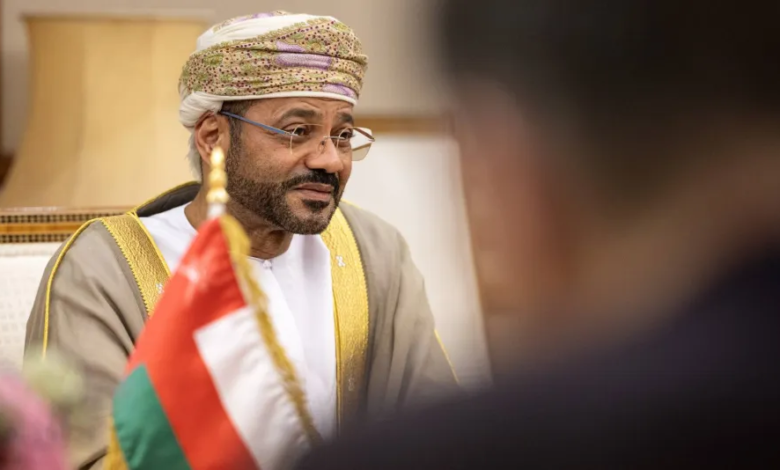
The Sultanate of Oman is working diligently and continuously to establish security and diplomatic arrangements aimed at ensuring the safe passage of commercial vessels and oil tankers through the Strait of Hormuz. This strategic move comes amidst escalating geopolitical tensions in the Middle East, which directly impact maritime traffic in one of the world's most vital waterways. Muscat plays a pivotal role thanks to its moderate foreign policy and balanced relations with all regional and international actors, making it a trusted mediator for ensuring the security and stability of the region.
General context and historical background of the Strait of Hormuz
The Strait of Hormuz is a vital artery for the global economy, connecting the Arabian Gulf, the Gulf of Oman, and the Arabian Sea. Historically, the Sultanate of Oman and the Islamic Republic of Iran have shared control of maritime traffic in this strait, with Oman's Musandam Peninsula situated on the strait's southern shore and controlling key international shipping lanes. Over the decades, the strait has witnessed numerous tensions, from the "Tanker War" during the Iran-Iraq War in the 1980s to more recent tensions related to international sanctions and regional conflicts. Throughout these periods, Oman has consistently pursued quiet diplomacy to prevent military escalation in the region, emphasizing that freedom of navigation is a red line that threatens international peace and security.
The importance of the event and its expected impact locally and regionally
At the local and regional levels, Oman’s arrangements to ensure safe passage through the Strait of Hormuz represent a strategically vital step. For the Gulf Cooperation Council (GCC) states, the strait is the primary gateway for exporting oil and gas to global markets. Any threat to maritime traffic would directly disrupt these countries’ revenues and negatively impact their economic development plans. By leading de-escalation efforts and providing security guarantees, Oman contributes to building trust among neighboring states and reducing the likelihood of military conflict. These efforts also enhance the Sultanate’s standing as an oasis of stability, which positively impacts the investment climate and national security of the GCC states and the wider region.
International influence and global economic stability
Internationally, the importance of the Strait of Hormuz cannot be underestimated, as approximately one-fifth of the world's crude oil consumption passes through it, in addition to enormous quantities of liquefied natural gas. The Sultanate of Oman's success in ensuring safe passage sends reassuring messages to global markets, which are highly sensitive to any rumors or security incidents in the strait. Stable navigation translates to stable global energy prices, thus preventing inflationary crises and potential recessions in the global economy. Furthermore, major powers view Oman's efforts with appreciation, as they offer a peaceful and effective alternative to costly military interventions and guarantee the continued smooth and secure flow of energy supplies to all parts of the world.
conclusion
In conclusion, Oman's efforts to ensure safe passage through the Strait of Hormuz stand out as a model of preventive diplomacy and crisis management. The Sultanate's commitment to protecting this vital waterway not only serves its national interests but also forms a cornerstone of stability in the Middle East and ensures the sustainability of global economic growth.