
مقدمة عن قرار تحالف أوبك بلس الأخير
في خطوة استراتيجية تهدف إلى الحفاظ على توازن أسواق الطاقة العالمية، عقدت الدول الثماني الأعضاء في تحالف «أوبك بلس» (والتي تضم المملكة العربية السعودية، وروسيا، والعراق، والإمارات العربية المتحدة، والكويت، وكازاخستان، والجزائر، وسلطنة عُمان) اجتماعاً هاماً عبر الاتصال المرئي بتاريخ 5 أبريل 2026. جاء هذا الاجتماع لمراجعة مستجدات السوق البترولية وآفاقها المستقبلية، خاصة بعد التعديلات الطوعية الإضافية التي أُعلن عنها في شهري أبريل ونوفمبر من عام 2023.
السياق التاريخي وأهمية تحالف أوبك بلس
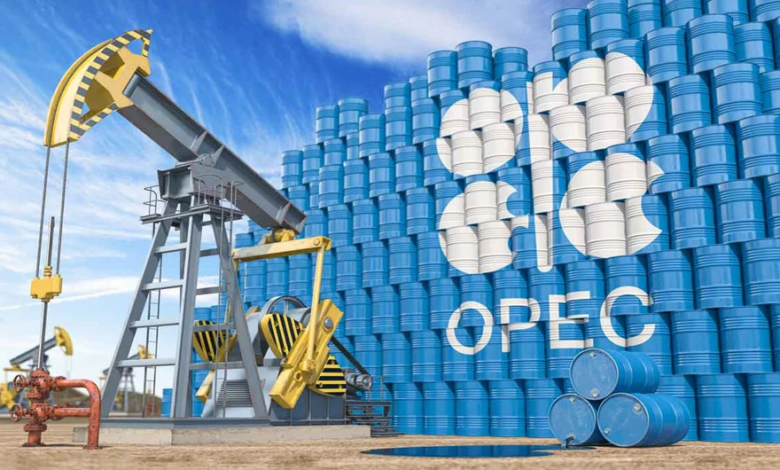
تأسس تحالف «أوبك بلس» في أواخر عام 2016 كاستجابة لانهيار أسعار النفط في عام 2014، حيث يضم منظمة الدول المصدرة للنفط (أوبك) وحلفاء من خارجها بقيادة روسيا. يهدف هذا التحالف التاريخي إلى تنسيق سياسات الإنتاج لضمان استقرار الأسواق وتجنب التقلبات الحادة التي قد تضر بكل من المنتجين والمستهلكين. ويُعد هذا التحالف صمام أمان للاقتصاد العالمي، حيث يتحكم في نسبة كبيرة من إمدادات النفط العالمية، مما يجعل قراراته ذات تأثير مباشر على معدلات التضخم والنمو الاقتصادي الدولي.
تفاصيل تعديل مستويات إنتاج النفط
في إطار التزامها الراسخ بدعم استقرار السوق البترولية، قررت الدول الثماني المشاركة تنفيذ تعديل دقيق في مستويات الإنتاج. وبموجب القرار، سيتم تعديل الإنتاج بمقدار 206 آلاف برميل يومياً، وذلك من إجمالي كميات التخفيضات الإضافية الطوعية البالغة 1.65 مليون برميل يومياً والتي تم الإعلان عنها مسبقاً في أبريل 2023. ومن المقرر أن يدخل هذا التعديل حيز التنفيذ الفعلي ابتداءً من شهر مايو 2026.
وأوضحت الدول المعنية أن كميات الخفض البالغة 1.65 مليون برميل يومياً قد تتم إعادتها إلى السوق بشكل جزئي أو كامل، وبطريقة تدريجية، بناءً على متغيرات السوق ومعطيات العرض والطلب. وستواصل الدول المشاركة متابعة وتقييم ظروف السوق بشكل دقيق ومستمر.
تسريع عملية التعويض والمرونة في الإنتاج
ضمن جهودها المستمرة لدعم استقرار السوق، جددت الدول الثماني تأكيدها على أهمية تبني نهج حذر والاحتفاظ بمرونة كاملة. هذه المرونة تتيح للتحالف زيادة، أو إيقاف، أو عكس الإعادة التدريجية لتعديلات الإنتاج الطوعية، بما في ذلك التعديلات الطوعية السابقة البالغة 2.2 مليون برميل يومياً والتي أُعلن عنها في نوفمبر 2023.
ونوهت الدول الأعضاء بأن هذا الإجراء سيوفر فرصة حقيقية لتسريع عملية التعويض. كما جددت التزامها الصارم بـ «إعلان التعاون»، مؤكدة عزمها على تعويض كامل كميات الإنتاج الزائدة التي حدثت منذ شهر يناير 2024. وستقوم لجنة الرقابة الوزارية المشتركة بمراقبة هذا الالتزام عن كثب لضمان تحقيق الأهداف المرجوة.
حماية الممرات البحرية وأمن إمدادات الطاقة
تطرق الاجتماع إلى الجوانب الجيوسياسية والأمنية التي تؤثر على أسواق الطاقة. وأكدت الدول الثماني على ما ورد في بيان لجنة الرقابة الوزارية المشتركة في اجتماعها الخامس والستين، مشددة على الأهمية البالغة لحماية ممرات الملاحة البحرية الدولية. هذا الأمر يُعد حيوياً لضمان التدفق المستمر وغير المنقطع لإمدادات الطاقة إلى الأسواق العالمية.
وأعربت الدول عن قلقها العميق إزاء الهجمات التي تستهدف البنية التحتية للطاقة. وأشارت إلى أن إعادة تأهيل منشآت الطاقة المتضررة لتعمل بكامل طاقتها التشغيلية هي عملية مكلفة وتستغرق وقتاً طويلاً، مما ينعكس سلباً على توفر الإمدادات. وعليه، حذرت الدول من أن أي أعمال تقوض أمن إمدادات الطاقة، سواء باستهداف البنية التحتية أو تعطيل الممرات البحرية، ستؤدي حتماً إلى زيادة تقلبات السوق وإضعاف الجهود الجماعية الرامية لاستقرار الاقتصاد العالمي.
التأثير المتوقع وضمان استمرارية الإمدادات
على الصعيد الإقليمي والمحلي، يساهم هذا القرار في تأمين إيرادات مستقرة للدول المنتجة، مما يدعم خطط التنمية الاقتصادية والمشاريع الوطنية. أما على الصعيد الدولي، فإنه يبعث برسالة طمأنة للمستهلكين بأن التحالف مستعد للتدخل لتجنب أزمات نقص الإمدادات.
وفي هذا الشأن، أشادت الدول الثماني بالمبادرات التي اتخذتها بعض الدول المشاركة في «إعلان التعاون» لضمان استمرارية الإمدادات، لا سيما من خلال تفعيل مسارات تصدير بديلة، مما أسهم بشكل فعال في الحد من تقلبات السوق. وفي الختام، اتفقت الدول الثماني على عقد اجتماعات شهرية لمتابعة تطورات السوق، ومستوى الالتزام، وتنفيذ خطط التعويض، على أن يُعقد الاجتماع القادم في 3 مايو 2026.