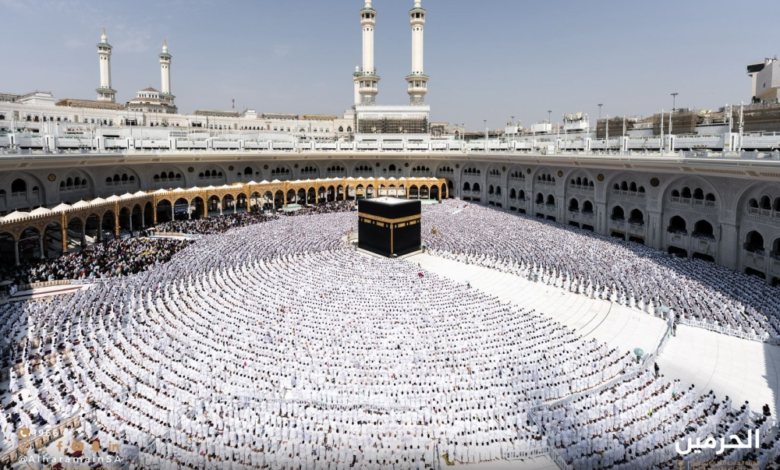
The General Presidency for Religious Affairs at the Grand Mosque in Mecca and the Prophet's Mosque in Medina is preparing to launch its operational plan for the holy month of Ramadan 1447 AH (2026 CE) next Thursday at its headquarters. This event, held under the patronage and in the presence of the President of the Presidency, Sheikh Dr. Abdulrahman bin Abdulaziz Al-Sudais, will unveil new strategies and development initiatives aimed at enriching the experience of visitors to the Two Holy Mosques during the blessed month.
Key features of the operational plan for Ramadan season 1447 AH
The ceremony is scheduled to include a comprehensive overview of the fundamental pillars upon which the Presidency will base its work during the Hajj season, with a focus on the integration of religious and technological services. The plan aims to bring about a qualitative leap in the services provided to pilgrims, ensuring a serene and safe environment for worship, in accordance with the highest international quality standards adopted by the Kingdom in serving the Two Holy Mosques.
The events will include the announcement of a package of quality initiatives covering guidance and counseling aspects, in addition to scientific and enrichment programs specifically designed to meet the needs of visitors and pilgrims of different nationalities and languages, investing in qualified human resources, modern technologies and artificial intelligence.
The importance of proactive planning for religious seasons
This early announcement of the operational plan comes as part of the proactive preparations undertaken by the Presidency of Religious Affairs to ensure maximum readiness before major religious seasons. Ramadan is the peak of religious seasons at the Two Holy Mosques, with the number of worshippers and pilgrims increasing significantly, necessitating close coordination and well-defined plans for crowd management and facilitating the performance of rituals.
These plans gain their importance from being a roadmap that ensures the smooth flow of religious and advocacy work, and avoids any operational issues that may arise, which reflects the keenness of the wise leadership - may God support it - to harness all capabilities to serve the guests of God.
Institutional context and the Kingdom's Vision 2030
These efforts align with the goals of the Kingdom's Vision 2030 , which prioritizes serving pilgrims and aims to host millions of Umrah pilgrims annually while providing a distinguished spiritual experience. The General Presidency for Religious Affairs plays a pivotal role in this context, specializing in highlighting the scholarly and outreach message of the Two Holy Mosques and disseminating the values of moderation and tolerance globally.
Since the Cabinet’s decision to establish an independent Presidency for Religious Affairs, there has been a growing specialized focus on scientific lessons, Quran memorization circles, fatwa services, and simultaneous translation of sermons, which enhances the direct spiritual impact on the lives of visitors.
Enhancing the worship environment and digital transformation
The plan's developers are counting on enhancing the spiritual impact by leveraging digital transformation to deliver the religious message. The Presidency is expected to unveil technological initiatives that will facilitate real-time access to religious information and guidance via smartphones and digital platforms, making it easier for worshippers to find the locations of lessons, prayer times, and places to get answers to religious questions.
The upcoming ceremony confirms the Presidency’s commitment to adopting a continuous development approach, as the inauguration ceremony will be attended by an elite group of religious leaders and officials, in a scene that reflects the utmost importance that the state attaches to serving the Two Holy Mosques and their visitors, and the optimal preparation for the thirty days that are the most spiritual and crowded throughout the year.