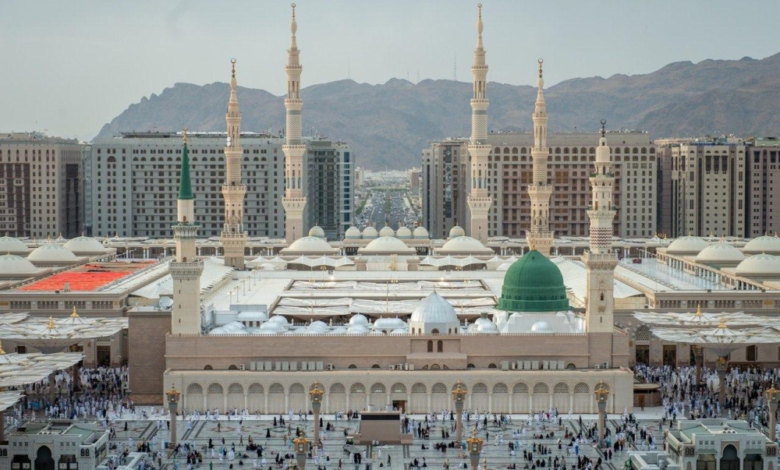

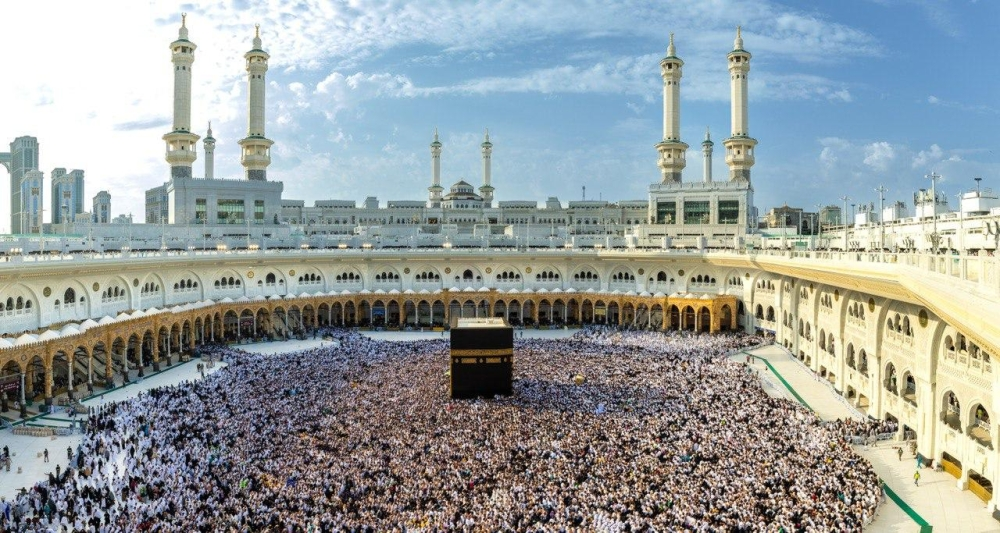
أعلنت الهيئة العامة للعناية بشؤون المسجد الحرام والمسجد النبوي عن جاهزيتها الكاملة لاستقبال موسم شهر رمضان المبارك لعام 1447هـ، وذلك من خلال إطلاق خطة تشغيلية متكاملة تهدف إلى تيسير أداء المناسك لضيوف الرحمن. وتأتي هذه الخطة في إطار الاستعدادات المبكرة التي تبذلها المملكة العربية السعودية لضمان تقديم أرقى الخدمات للمعتمرين والمصلين في الحرمين الشريفين.
السياق الاستراتيجي وأهمية موسم رمضان
يكتسب موسم رمضان أهمية قصوى في الأجندة السنوية لرئاسة الشؤون الدينية والهيئة العامة للعناية بشؤون الحرمين، حيث يشهد الحرمان الشريفان ذروة التدفق البشري من مختلف أنحاء العالم الإسلامي. وتنسجم هذه الاستعدادات مع مستهدفات رؤية المملكة 2030 التي تسعى لرفع الطاقة الاستيعابية وتجويد تجربة الزوار، مما يعكس الدور الريادي للمملكة في خدمة الإسلام والمسلمين. ويُتوقع أن يسهم نجاح هذه الخطة في تعزيز الصورة الحضارية للمملكة وإبراز التطور التقني والإداري في إدارة الحشود المليونية.
محاور الخطة التشغيلية الثلاثة
ترتكز الخطة المعلنة على ثلاثة محاور رئيسية لضمان كفاءة الأداء:
- إدارة الأصول والمرافق: التأكد من جاهزية كافة البنى التحتية.
- كفاءة التشغيل والصيانة: ضمان استمرارية الخدمات دون انقطاع.
- التنسيق التكاملي: العمل المشترك مع الجهات الأمنية والخدمية ذات العلاقة.
وتهدف هذه المحاور مجتمعة إلى إثراء التجربة الروحانية للقاصدين، وضمان انسيابية الحركة خلال أوقات الذروة، مع التركيز على سرعة اتخاذ القرار والمرونة في التعامل مع المتغيرات الميدانية.
تقنيات ذكية وخدمات إثرائية جديدة
في خطوة تعكس التحول الرقمي، اعتمدت الهيئة حزمة من المشاريع النوعية لهذا الموسم، أبرزها تفعيل الخرائط التفاعلية ثلاثية الأبعاد لتسهيل وصول الزوار إلى المرافق، وإطلاق أنظمة رقمية لتعداد الحشود عبر مستشعرات دقيقة تدعم اتخاذ القرارات التنظيمية. كما تم استحداث خدمة "بلاغات راصد" لسرعة الاستجابة للملاحظات، وتطوير الشاشات الإرشادية التفاعلية التي تعمل بخمس لغات عالمية.
البنية التحتية والخدمات اللوجستية
عملت الفرق الفنية على رفع موثوقية منظومة الكهرباء والطاقة، وضمان كفاءة أنظمة التكييف والإنارة، وجاهزية السلالم والمصاعد الكهربائية. وشملت الاستعدادات تكثيف عمليات النظافة والتعقيم وفق أعلى المعايير البيئية. وفيما يخص خدمات إفطار الصائمين، تم وضع حوكمة دقيقة لسفر الإفطار بالتكامل مع المنصة الوطنية "إحسان"، لضمان الحد من الهدر الغذائي ورفع مستوى النظافة.
إدارة الحشود والإرشاد المكاني
خصصت الخطة حيزاً كبيراً لإدارة الحشود عبر تعزيز الإرشاد المكاني بواسطة فرق راجلة مزودة بأجهزة ترجمة فورية، وتنظيم الممرات والمصليات لضمان انسيابية الحركة. كما تم تطوير تجربة الاعتكاف وخدمات حفظ الأمتعة، وتوحيد آليات العمل بين مكة المكرمة والمدينة المنورة لتقديم تجربة موحدة ومميزة للزوار.
واختتمت الهيئة إعلانها بالتأكيد على أن الخطة تراعي كافة أوقات الذروة وتعمل بالطاقة القصوى، مستندة إلى كادر بشري مؤهل وخبرات تراكمية عريقة، تنفيذاً لتوجيهات القيادة الرشيدة في تسخير كافة الإمكانات لخدمة قاصدي الحرمين الشريفين.