
A historic achievement for padel sport in Asia
In a landmark move for modern sports, padel is experiencing an unprecedented moment in its rapid and remarkable global growth. The Olympic Council of Asia has officially announced the inclusion of padel in the medal competitions of the upcoming Asian Games, to be held in Nagoya and Aichi, Japan. These prestigious Games will take place from September 19 to October 4, ushering in a new era for this rapidly expanding sport.
What is padel sport and what is the secret to its overwhelming popularity?
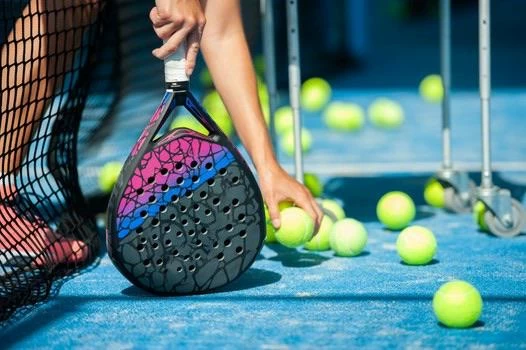
Padel is an innovative blend of the excitement of tennis and the dynamism of squash. Typically played in doubles on an enclosed, glass-walled, netted court, it resembles a traditional tennis court but is smaller in size. The sport has gained widespread popularity and attracted the attention of elite international stars across various sports. Among its most prominent players and enthusiasts are Spanish tennis star Carlos Alcaraz, Portuguese football legend Cristiano Ronaldo, and Formula 1 world champion Max Verstappen. This endorsement from top-tier athletes has accelerated the sport's global growth in recent years.
Historical context and development of the Asian Games
To understand the magnitude of this achievement, one must consider the historical background of the Asian Games. Held every four years, these games are the second largest multi-sport event in the world after the Olympic Games. The most recent edition, hosted by Hangzhou, China in 2023 (after being postponed due to the COVID-19 pandemic), saw nearly 12,000 athletes participate – a number that actually surpasses the number of athletes participating in the Summer Olympics. As for padel, its roots trace back to Mexico in the late 1960s, before it spread to dominate the sporting landscape in Spain and Latin America, and more recently experienced a surge in popularity in the Middle East and Asia.
The importance and expected impact of the official listing
This inclusion has a profound impact on multiple levels. Locally and regionally in Asia, this decision will incentivize countries to build more padel facilities, establish national federations, and develop programs to discover young talent. Internationally, participation in an event the size of the Asian Games is a global endorsement that brings padel a significant step closer to the ultimate dream: inclusion in the Olympic Games.
In this context, Luigi Carraro, president of the Lausanne-based International Padel Federation (FIP), stated, “This is a pivotal and historic moment for our sport.” Carraro further explained the significance of the event: “The Asian Games are one of the most important multi-sport events in the world, and the inclusion of padel as a medal sport clearly reflects its rapid development in Asia and its growing global influence.”.
New sports are joining the ranks
In addition to padel, the Olympic Council of Asia also announced in a statement released late last week the inclusion of Teqball – a modern and innovative sport combining football skills with table tennis rules and played on a curved table – as an official medal-winning event at the Nagoya and Aichi Games. This move reflects the organizing committees' commitment to keeping pace with sporting developments and attracting young people to new and exciting sports.