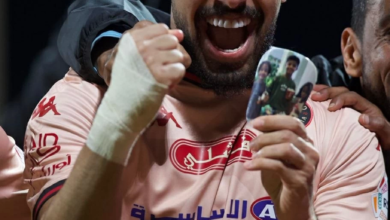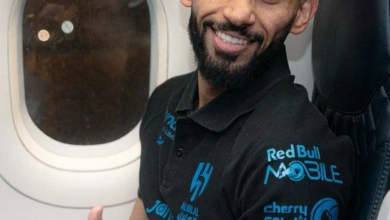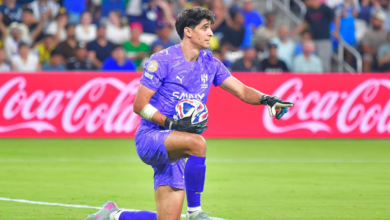

In a move that bolsters the Blue Brigade's attacking prowess, Al-Hilal's board of directors finalized the signing of star player Sultan Mandashfrom Al-Taawoun, on a two-and-a-half-year contract. This acquisition, made during the current winter transfer window, reflects the club's management's commitment to strengthening the squad with talented local players capable of making a significant contribution.
Deal details and honorary support
The signing ceremony between Al-Hilal Club President Prince Nawaf bin Saad and the player took place at the club's headquarters. The deal was fully funded by prominent club member Prince Al-Waleed bin Talal bin Abdulaziz. This generous support reflects the strong bond between the club's honorary members and management, ensuring Al-Hilal's continued success. The financial and moral support from honorary members is a cornerstone of the club's historic journey.
Seventh station and a new challenge
Sultan Mandash is no stranger to the competitive atmosphere of the Saudi League, boasting a wealth of professional experience. His move to Al-Hilal marks his seventh stint in the professional league, providing him with extensive experience. Mandash has previously played for several prestigious and competitive clubs, including:
- Al-Ittihad Club
- Al Ahly Club
- Al-Taawoun Club
- Al-Faisaly Club
- Al-Fayha Club
- Najran Club
This diversity of experiences between leading clubs and mid-table clubs honed the player’s talent and made him more mature to deal with the pressures of playing in a popular club the size of Al-Hilal.
The player's ambitions and his father's statements
Sultan Mandash expressed his immense happiness at wearing the "Leader" jersey, emphasizing his desire to quickly integrate with the team's constellation of stars to contribute to winning titles and bringing joy to Al-Hilal's vast fan base. The player also thanked the club's management for the high level of professionalism that characterized the negotiations.
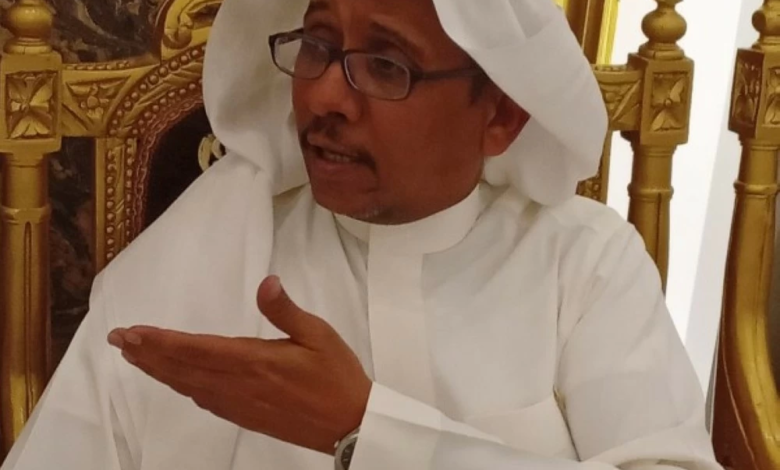
On the other hand, in an exclusive statement to Okaz newspaper, Ahmed Mandash, the player's father, expressed his great optimism about this move. He affirmed that his son's joining the prestigious club would be a significant incentive for him to continue shining and performing at a high level. The player's father said, "Playing for a club as big as Al-Hilal will lead Sultan to excel, and I wish him all the best and success in his career with the club."
The technical importance of the deal
The signing of Mendesh comes at a time when the team needs multiple options in attack and on the wings, especially with the overlap of domestic and continental competitions. The player is expected to be a valuable asset to the coaching staff, given his speed and individual skill, which will enhance the team's chances of competing on all fronts.