
تفاصيل الهجوم الدامي على قطار كويتا
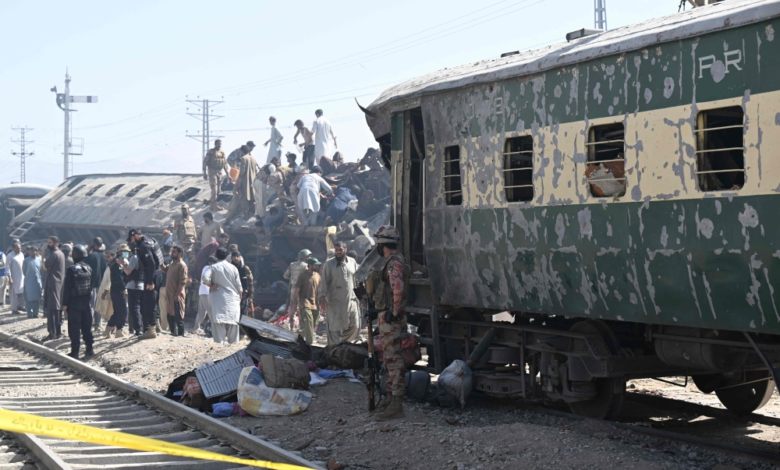
شهد إقليم بلوشستان في جنوب غرب باكستان تصعيداً أمنياً خطيراً، حيث قُتل 24 شخصاً على الأقل وأصيب أكثر من 50 آخرين في تفجير عنيف استهدف قطاراً كان يقل عدداً من العسكريين. ووفقاً لتصريحات أدلى بها مسؤول محلي رفيع المستوى لوكالة فرانس برس، وقع الهجوم المروع في محطة القطارات الرئيسية بمدينة كويتا، عاصمة الإقليم. وقد سارعت فرق الإنقاذ وسيارات الإسعاف إلى موقع الحادث فور وقوع الانفجار لنقل الضحايا والمصابين، ومن بينهم جنود في الجيش الباكستاني، إلى المستشفيات القريبة التي أعلنت حالة الطوارئ القصوى للتعامل مع الأعداد الكبيرة من الجرحى، مما يرجح احتمالية ارتفاع حصيلة الضحايا في الساعات القادمة.
السياق العام والخلفية التاريخية لإقليم بلوشستان
يُعد إقليم بلوشستان أكبر أقاليم باكستان من حيث المساحة، ويتميز بموقع جيوسياسي واستراتيجي بالغ الأهمية حيث يحد كلاً من إيران وأفغانستان. وعلى الرغم من غنى الإقليم الهائل بالموارد الطبيعية مثل الغاز الطبيعي والمعادن الثمينة، إلا أنه يُصنف تاريخياً كواحد من أفقر المناطق وأقلها تنمية في البلاد. يعاني الإقليم منذ عقود طويلة من تمرد انفصالي تقوده جماعات مسلحة، أبرزها ما يُعرف بـ “جيش تحرير بلوشستان”، والتي تتهم الحكومة المركزية في إسلام آباد باستغلال ثروات الإقليم وتهميش سكانه الأصليين. هذا التوتر التاريخي المتراكم جعل من بلوشستان بؤرة مستمرة للصراع، حيث تتكرر الهجمات التي تستهدف البنية التحتية الحيوية وقوات الأمن والجيش.
أهمية الحدث وتأثيره المتوقع محلياً وإقليمياً
على الصعيد المحلي، يشكل هذا التفجير ضربة قوية للأمن والاستقرار الداخلي في باكستان، ويبرز التحديات الأمنية الكبيرة التي تواجهها القوات المسلحة الباكستانية في تأمين الأقاليم المضطربة. استهداف قطار يقل عسكريين يحمل رسالة تحدٍ واضحة من الجماعات المسلحة لهيبة الدولة. كما أن ترويع المدنيين وتعطيل حركة النقل والمواصلات يفاقم من معاناة سكان الإقليم اليومية ويشل الحركة الاقتصادية.
إقليمياً ودولياً، يثير هذا الهجوم مخاوف واسعة النطاق، خاصة في ظل الاستثمارات الأجنبية الضخمة في المنطقة. يعتبر إقليم بلوشستان حجر الزاوية في الممر الاقتصادي الصيني الباكستاني (CPEC)، وهو مشروع استراتيجي بمليارات الدولارات يربط إقليم شينجيانغ الصيني بميناء جوادر الباكستاني الاستراتيجي على بحر العرب. الهجمات المستمرة تضعف ثقة المستثمرين وتعرقل جهود التنمية الإقليمية، مما يجعل استقرار بلوشستان مصلحة إقليمية ودولية كبرى، وليس شأناً داخلياً باكستانياً فحسب.
تداعيات الهجوم على المشهد الأمني والسياسي
يأتي هذا التفجير في وقت تسعى فيه الحكومة الباكستانية جاهدة لفرض سيادة القانون وتحقيق الاستقرار الاقتصادي الذي تعاني منه البلاد. إن تكرار مثل هذه الحوادث الدامية يضع ضغوطاً سياسية هائلة على الإدارة المدنية والقيادة العسكرية لاتخاذ تدابير أكثر صرامة وحسماً ضد معاقل المسلحين. وعادة ما ترد القوات الباكستانية على هذه الهجمات بتنفيذ عمليات تمشيط واسعة النطاق وحملات أمنية مكثفة في المناطق الجبلية الوعرة. علاوة على ذلك، يسلط هذا الحدث الضوء على الحاجة الماسة لتبني استراتيجية شاملة لا تقتصر على الحلول العسكرية والأمنية فقط، بل تمتد لتشمل معالجة الجذور الاقتصادية والاجتماعية للأزمة، من خلال تعزيز التنمية الشاملة وضمان التوزيع العادل للثروات الوطنية.