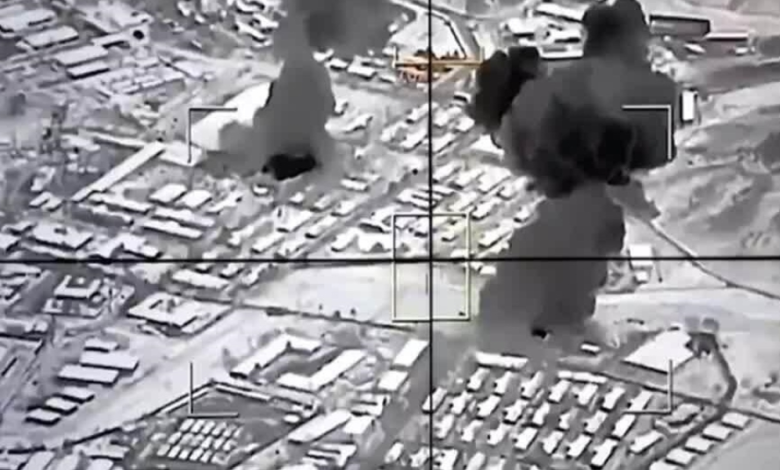

Details of the Pakistani attack on sites in Afghanistan
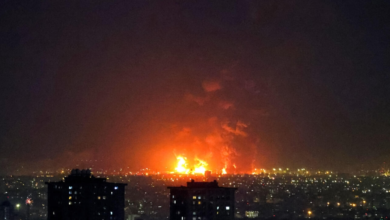
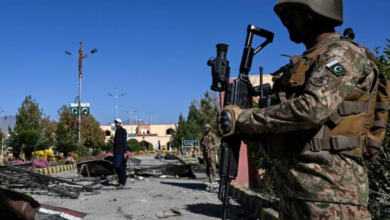
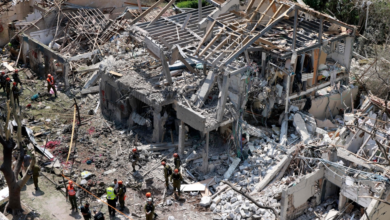
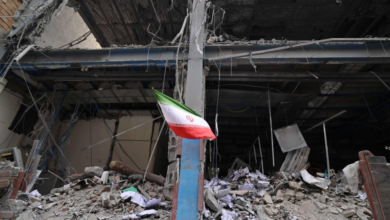
In a new military escalation reflecting the depth of the security crisis between the two neighboring countries, Pakistani authorities announced airstrikes and attacks targeting military sites and hideouts described as "terrorist" in Kandahar province, southern Afghanistan. Official security sources in the Pakistani capital, Islamabad, confirmed that Pakistani armed forces successfully destroyed vital infrastructure and weapons and equipment depots in Kandahar. According to the Pakistani account, these sites were being used by armed elements linked to the Afghan Taliban and other terrorist groups to carry out deadly attacks against civilians and security forces inside Pakistani territory.
General context and historical background of the tensions
This latest escalation cannot be understood without considering the complex historical context and ongoing border tensions between Islamabad and Kabul. Afghanistan and Pakistan have been locked in a deepening diplomatic and security crisis for months. The main point of contention revolves around Islamabad's accusations that its neighbor is providing safe havens and harboring fighters belonging to the Pakistani Taliban (TTP). This militant group, which Pakistan considers a terrorist organization, has claimed responsibility for a series of deadly attacks in various Pakistani cities, targeting police stations, military convoys, and civilians.
Historically, the Durand Line (the border between the two countries drawn during the British colonial era) has been a major point of contention, as successive Afghan governments, including the current Taliban government, have not recognized it. Since the Taliban seized power in Kabul in August 2011, Pakistan had hoped for greater security cooperation to secure the border, but cross-border attacks have increased significantly, leading to a rapid deterioration in bilateral relations.
The Afghan position and official responses
In contrast, the Afghan authorities in Kabul categorically reject these Pakistani accusations. The Afghan Taliban government consistently asserts that it does not permit its territory to be used as a launching pad to threaten the security of any neighboring country, including Pakistan. Kabul considers security failures within Pakistan to be an internal matter that Islamabad should address without blaming the Afghan side. Afghan forces often respond to Pakistani strikes with counter-fire targeting border posts, increasing the likelihood of a wider military confrontation.
The importance of the event and its expected impact
This military escalation has serious repercussions on multiple levels:
- Local impact: The exchange of fire and ongoing tensions exacerbate the humanitarian suffering of populations on both sides of the border, forcing thousands to flee their villages. Trade is also severely affected by the frequent closures of vital border crossings such as Torkham and Chaman, further damaging the already structurally fragile economies of both countries.
- Regional impact: This conflict threatens the stability of the entire South Asian region. Continued tensions could prompt neighboring countries and regional powers to reassess their security and political calculations, especially given growing concerns that the border region could become a hub for extremist groups that might threaten other countries in Central Asia and the Indian subcontinent.
- International Impact: This escalation is raising concerns within the international community and the United Nations, as it complicates efforts to deliver humanitarian aid to Afghanistan. It also renews Western fears that Afghanistan could once again become a safe haven for transnational terrorist organizations, potentially prompting renewed international intervention or pressure on both Kabul and Islamabad to exercise restraint and return to the negotiating table.
In conclusion, the security situation between Pakistan and Afghanistan remains likely to deteriorate further unless joint intelligence and security cooperation mechanisms are reached, and the language of diplomacy prevails over the language of weapons to ensure the security and stability of the people of both countries and the entire region.