
Pakistani initiative to end tensions: Islamabad offers to mediate
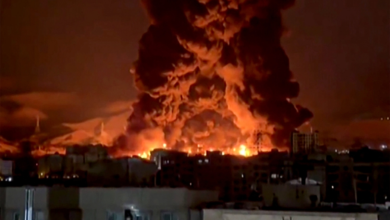
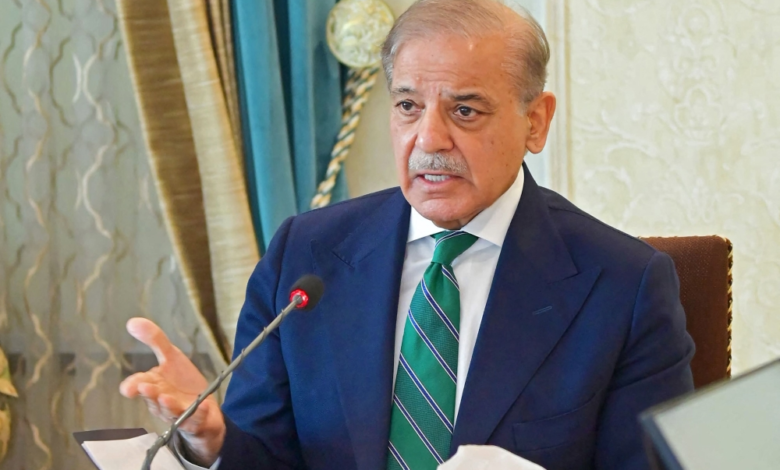
In a significant diplomatic move reflecting growing regional concern, Pakistani Prime Minister Shehbaz Sharif announced that Islamabad is fully prepared to host crucial negotiations to end the military escalation and rising tensions between the United States and Israel on one side, and Iran on the other. This announcement comes at a time of unprecedented turmoil in the Middle East, amid fears of a full-blown regional war that could destabilize the world and lead to catastrophic consequences.
The historical context of Pakistan's diplomatic role
Pakistan occupies a sensitive geopolitical position, sharing a long land border with Iran while simultaneously maintaining strategic and historical ties with the United States and the Gulf Arab states. Historically, Islamabad has played a complex role in balancing its foreign relations, often advocating for the resolution of conflicts through diplomatic channels to avoid the repercussions of war on its fragile economy and internal security. Since the severing of direct diplomatic relations between Washington and Tehran following the 1979 Islamic Revolution, both sides have relied on regional and international intermediaries to convey messages. Today, Pakistan is positioning itself as an additional player capable of facilitating this complex dialogue, given its Islamic and regional influence.
Details of the Pakistani initiative and direct contacts
On his official X platform, Shahbaz Sharif affirmed that his country welcomes and fully supports ongoing efforts to advance dialogue to end the war in the Middle East, in the interest of peace and stability in the region and beyond. Sharif added that, subject to the agreement of the United States and Iran, Pakistan is ready and honored to host meaningful and decisive talks for a comprehensive settlement of the current conflict. These efforts were not limited to public statements but also included intensive diplomatic activity. Sharif stated that he had held telephone conversations with Iranian President Masoud Pezeshkian, emphasizing his government's commitment to helping achieve peace. Simultaneously, Pakistani Foreign Minister and Deputy Prime Minister Ishaq Dar spoke by phone with his Iranian counterpart, Abbas Araqchi, to discuss the latest developments.
International messages and the regional and international importance of the event
These moves coincide with reports by the official Iranian news agency IRNA, citing the Iranian Foreign Ministry, that Tehran has received messages from friendly countries indicating a US request for negotiations to end the escalation. The success of any US-Iranian negotiations at this time is of paramount importance; military escalation threatens the security of navigation in sensitive waterways, meaning that any open confrontation would lead to a devastating global energy and economic crisis affecting all countries without exception.
Continued emphasis on diplomacy and dialogue
On the official level, the Pakistani Foreign Ministry reiterated its firm stance. Ministry spokesperson Tahir Hussain Andarabi told AFP that Pakistan remains ready to host talks and has consistently advocated for dialogue and diplomacy to promote peace. In a related development reflecting military and diplomatic coordination, former Pakistani Ambassador to Oman, Imran Ali Chaudhry, revealed in media statements that the Pakistani Army Chief of Staff recently held talks with American negotiators in the Gulf region, underscoring Pakistan's serious efforts to contain the crisis before it spirals out of control.