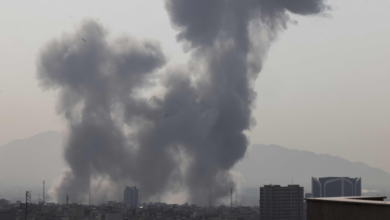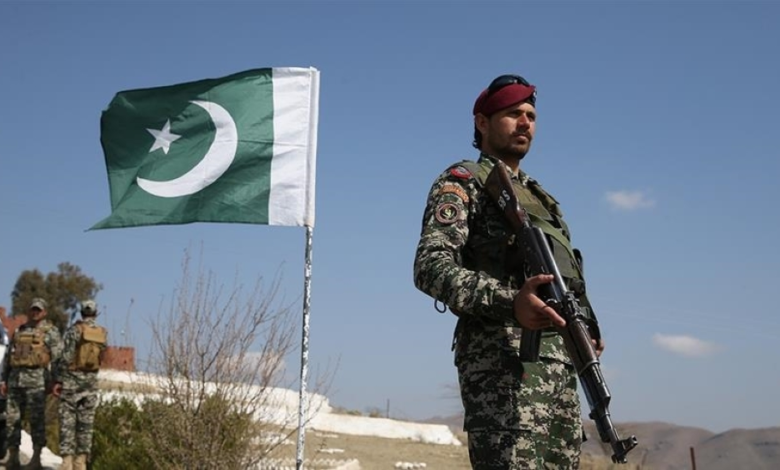
Pakistan announced on Sunday that it had conducted a series of airstrikes and precision security operations targeting seven locations and camps it described as "terrorist" within the border regions with Afghanistan. This direct military action came as a firm response to a recent wave of suicide attacks inside Pakistan, claimed by militant groups that accuse Islamabad of providing safe havens in neighboring Kabul.
Details of the security operation
An official statement from the Pakistani Ministry of Information said that the armed forces launched “selective targeting operations” based entirely on confirmed intelligence, targeting seven camps and hideouts used by militants to launch attacks against Pakistani forces and civilians. The statement indicated that this action followed three deadly attacks since the beginning of the holy month of Ramadan, necessitating an immediate military response to deter these threats.
Context of escalating tensions between Islamabad and Kabul
This event cannot be separated from the complex historical and security context governing relations between the two neighboring countries. Since the Taliban's return to power in Afghanistan in 2011, Pakistan has witnessed a marked increase in the frequency of armed attacks, particularly in the tribal areas bordering the Durand Line. Pakistani authorities frequently accuse the Pakistani Taliban (TTP) of using Afghan territory as a rear base for planning and launching attacks, an accusation consistently denied by the Kabul government, which maintains that it does not permit its territory to be used against any neighboring country.
Strategic importance and expected repercussions
This escalation carries profound strategic implications and potential effects on several levels:
- Domestically: The Pakistani government and military establishment are seeking to reassure domestic public opinion of their ability to maintain security and combat terrorism, especially with the growing public concern about the return of bombings to major cities.
- Regionally: This bombing could lead to a further deterioration in the already strained diplomatic relations between Pakistan and Afghanistan, which could negatively affect trade across border crossings and joint security cooperation.
- Internationally: International powers, including the United States and China, are watching this situation with concern, as the international community fears that instability on the Pakistani-Afghan border could provide a fertile environment for the resurgence of cross-border extremist organizations, threatening international peace and security.
In conclusion, these strikes confirm that Islamabad has run out of strategic patience with what it considers inaction on the Afghan side in controlling the borders, which opens the door to multiple scenarios for the future of the relationship between the two countries in light of the continued common security challenges.