
إشادة واسعة من حجاج باكستان بجهود المملكة في موسم الحج
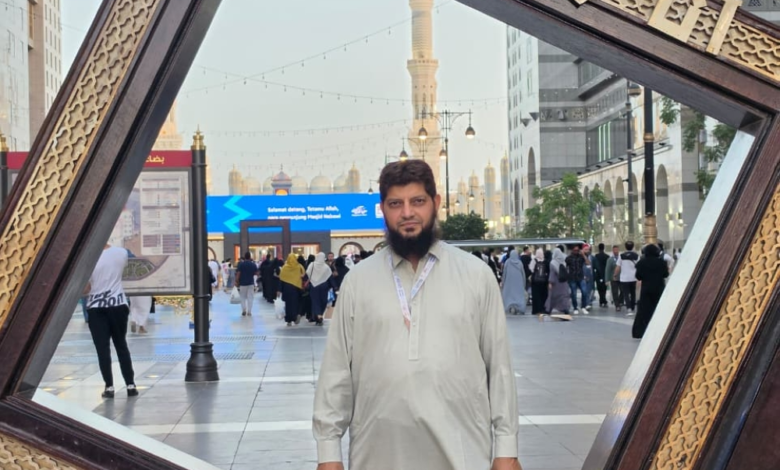
أعرب عدد من حجاج بيت الله الحرام القادمين من جمهورية باكستان الإسلامية عن بالغ تقديرهم وامتنانهم للجهود الاستثنائية التي تبذلها المملكة العربية السعودية في خدمة ضيوف الرحمن. وفي شهادات متفرقة، أكد الحجاج أن المملكة نجحت في تقديم نموذج عالمي فريد في إدارة الحشود وتنظيم أحد أكبر التجمعات البشرية السنوية في العالم، مما أسهم في تيسير أداء مناسكهم بيسر وسكينة وطمأنينة.
سياق تاريخي: شرف خدمة الحجيج ورؤية المستقبل
تتولى المملكة العربية السعودية مسؤولية خدمة الحرمين الشريفين وتنظيم الحج منذ تأسيسها، وهي مسؤولية تاريخية ودينية عظيمة. على مر العقود، شهدت إدارة مواسم الحج تطورًا هائلاً، حيث استثمرت المملكة موارد ضخمة في تطوير البنية التحتية للمشاعر المقدسة وتوسعة الحرمين الشريفين. وتأتي هذه الجهود المتواصلة اليوم في إطار “رؤية السعودية 2030” التي تهدف إلى تحسين تجربة الحجاج والمعتمرين بشكل شامل، من خلال توظيف أحدث التقنيات ورفع كفاءة الخدمات المقدمة لملايين المسلمين الذين يفدون إلى الأراضي المقدسة سنويًا.
شهادات حية: تنظيم دقيق وخدمات متكاملة
وفي حديثه لـ«اليوم»، قال الحاج عتيق الرحمن إن ما شهده هذا العام من تنظيم دقيق وخدمات متكاملة يعكس حجم الاهتمام الكبير الذي توليه حكومة خادم الحرمين الشريفين لضيوف الرحمن. وأوضح أن التنقل بين المشاعر المقدسة أصبح أكثر سهولة بفضل المشاريع الحديثة وشبكات الطرق المتطورة ووسائل النقل التي اختصرت الوقت وخففت الجهد على الحجاج. وأضاف أن رجال الأمن والمتطوعين والعاملين في مختلف القطاعات كانوا حاضرين في كل موقع لخدمة الحجاج بابتسامة وتفانٍ، وهو ما يعكس القيم الأصيلة للشعب السعودي وحرصه على راحة زوار بيت الله الحرام.
بنية تحتية متطورة وتقنيات ذكية
من جهته، بيّن الحاج مزمل حميد أن المملكة سخّرت إمكاناتها التقنية والتنظيمية لخدمة ملايين الحجاج. وأكد أن الخدمات الإلكترونية والتطبيقات الذكية، مثل تطبيق “نسك”، ساعدت بشكل كبير في تسهيل الإجراءات والوصول إلى المواقع والخدمات بكل سهولة. وأشار إلى أن العناية الفائقة بالنظافة والصحة العامة داخل المشاعر المقدسة كانت لافتة، مما وفر بيئة صحية وآمنة للحجاج. هذه الجهود التقنية، إلى جانب المشاريع العملاقة كتوسعة المسجد الحرام وقطار المشاعر، جعلت رحلة الحج أكثر راحة وتنظيمًا من أي وقت مضى.
أهمية الحدث وتأثيره العالمي
إن نجاح المملكة في إدارة موسم الحج لا يقتصر تأثيره على المستوى المحلي، بل يمتد ليصبح له أبعاد إقليمية ودولية هامة. فعلى الصعيد الدولي، يرسخ هذا النجاح مكانة المملكة كقائدة للعالم الإسلامي وكدولة قادرة على تنظيم أكبر الفعاليات العالمية بكفاءة منقطعة النظير. كما يعزز هذا النجاح من قوتها الناعمة وعلاقاتها الدبلوماسية مع الدول الإسلامية، ومنها باكستان التي تربطها بالسعودية علاقات أخوة متينة تقوم على الاحترام والمحبة والتاريخ المشترك. وأكد الحاج خالد رشيد أن الحجاج الباكستانيين يشعرون بمحبة كبيرة تجاه المملكة وشعبها، لما يجدونه من حسن استقبال وكرم ضيافة ورعاية مستمرة منذ لحظة وصولهم.
وفي ختام تصريحاتهم، أجمع الحجاج على أن المملكة تقدم كل عام نموذجًا متطورًا في إدارة الحج، وأن النجاحات المتواصلة تعكس الخبرة الكبيرة التي تمتلكها الجهات السعودية في إدارة هذا الحدث الإسلامي الضخم، داعين الله أن يحفظ المملكة وقيادتها، وأن يديم عليها نعمة الأمن والاستقرار لخدمة الحرمين الشريفين وقاصديهما.