A Palestinian was killed in Gaza, and Saudi Arabia condemned settlement activity in the West Bank

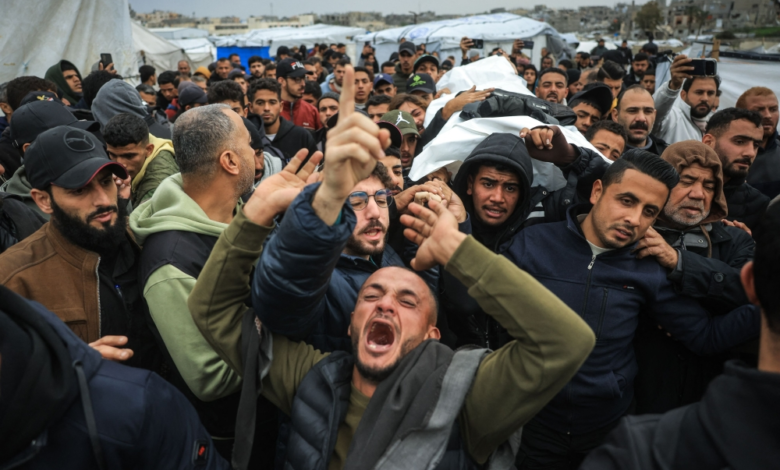
In a new escalation reflecting the ongoing tension in the Palestinian territories, a young Palestinian man was killed by Israeli occupation on Thursday evening in Khan Younis, southern Gaza Strip. This incident comes amidst yet another Israeli violation of the ceasefire agreement that went into effect on October 10th, threatening to undermine efforts to solidify the truce in the besieged territory.
Artillery shelling and destruction of infrastructure continued
Simultaneously with the incident in Khan Younis, Palestinian medical and field sources reported that another citizen sustained varying injuries as a result of Israeli artillery shelling that targeted the Tuffah neighborhood, located east of Gaza City. The aggression was not limited to targeting civilians; it was accompanied by the continued bulldozing and demolition of residential buildings in the eastern areas of the Gaza Strip, exacerbating the humanitarian crisis and further damaging the already dilapidated infrastructure, weakened by years of siege and repeated wars.
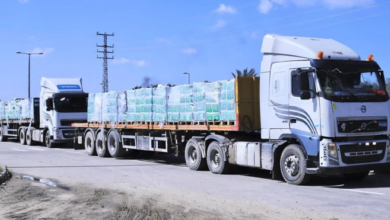
Observers point out that these ongoing violations are putting the region on a knife's edge, as they hinder international organizations' attempts to bring in aid and reconstruction, and increase popular discontent amid deteriorating living and health conditions in the sector.
The Kingdom is leading a diplomatic campaign against settlement activity
On the political and diplomatic front, the Kingdom of Saudi Arabia reiterated its firm stance rejecting all illegal practices of the occupation. This came during the extraordinary meeting of the Open-Ended Executive Committee at the level of foreign ministers of the member states of the Organization of Islamic Cooperation, held in Jeddah.
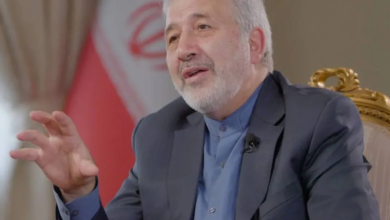
In his address delivered on behalf of His Highness Prince Faisal bin Farhan bin Abdullah, Minister of Foreign Affairs, Deputy Foreign Minister Waleed bin Abdulkarim Al-Khuraiji expressed the Kingdom's strong condemnation of the recent decisions by the occupying authorities to designate vast areas of the West Bank as "state land." The Kingdom affirmed that these measures, along with Knesset resolutions calling for accelerating settlement construction and permitting land purchases in the West Bank, constitute a flagrant violation of international law and resolutions of international legitimacy.
Risks of imposing a new legal reality
The Saudi warnings come at a sensitive time, as the occupying government seeks to impose a new legal and administrative reality aimed at altering the demographic and geographic character of the occupied Palestinian territories. Designating land as "state property" is one of the legal tools the occupation uses to confiscate Palestinian land and expand settlements, directly undermining the chances of achieving peace based on a two-state solution and making the establishment of a geographically contiguous Palestinian state virtually impossible.
The meeting of the Organization of Islamic Cooperation in Jeddah is of paramount importance in unifying the Islamic and international position to pressure the international community to assume its responsibilities towards stopping these violations and protecting the rights of the Palestinian people to self-determination and the establishment of their independent state.