
Introduction to the event and details of the incident
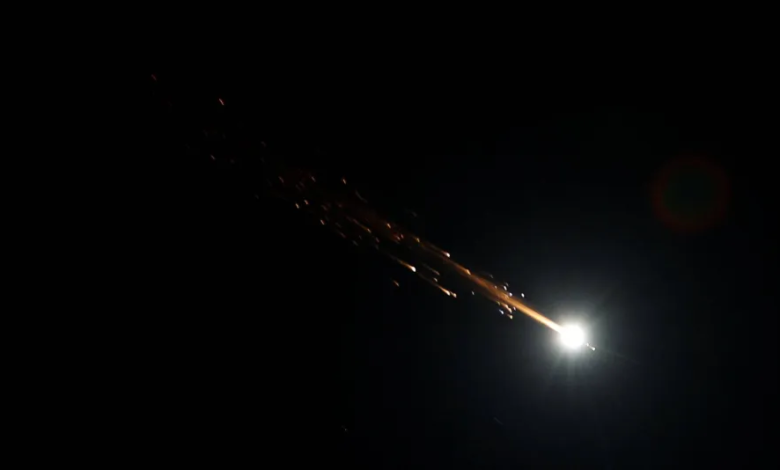
In a dangerous escalation reflecting the widening conflict in the Middle East, three Palestinian women were killed in the occupied West Bank as a result of an Iranian missile attack targeting Israeli territory. Fragments of interceptor missiles or parts of the attacking missiles fell in populated Palestinian civilian areas, leading to this tragedy. This incident highlights the grave dangers faced by civilians in Palestinian towns and villages due to the lack of safe shelters and early warning systems, in stark contrast to the extensive preparedness on the Israeli side.
General context and historical background of the escalation
These developments come amid unprecedented regional tensions and an ongoing war that began on October 7. The region has witnessed an exchange of direct strikes between Israel and Iran, with Tehran launching waves of ballistic missiles and drones at Israeli military and strategic targets in retaliation for assassinations of prominent leaders in the resistance axis. In the midst of these attacks, Israeli air defense systems, such as Iron Dome and David's Sling, intercept the missiles in flight, often resulting in large amounts of debris falling on the West Bank, which explains the Palestinian casualties even though they are not the direct target of the attacks.
Local impact: Double suffering in the West Bank
Domestically, this incident exacerbates the already tense and volatile situation in the West Bank, which is plagued by ongoing security tensions and incursions. Palestinians find themselves caught in the crossfire between regional powers, lacking any effective means of civilian protection. The killing of the three women underscores the fragility of the humanitarian situation and raises questions about the responsibility of the warring parties to spare civilians the ravages of war, particularly in densely populated areas lacking the infrastructure necessary to cope with military emergencies and sudden crises.
Regional and international dimensions of the event
Regionally, this Iranian missile attack and the resulting casualties threaten further escalation that could drag the entire region into a full-blown war. Neighboring countries are watching developments with grave concern, as the conflicts intersect from Gaza to Lebanon, Syria, Yemen, and Iran. Internationally, major capitals, led by Washington, were quick to condemn the missile attacks and reaffirm their support for Israel's security. The United Nations and human rights organizations called for restraint and adherence to international humanitarian law, which mandates the protection of civilians during times of conflict. Global markets fear the impact of this escalation on the stability of energy supplies and shipping, adding an economic dimension to the political and security crisis.
Summary and future implications
The killing of the three Palestinian women in the West Bank by the Iranian missile attack is not merely another statistic added to the death toll; it is a stark warning sign, reflecting the dangerous slide of the region toward an uncontrollable and widespread regional conflict. Innocent civilians remain the most vulnerable, paying the price for regional score-settling, thus necessitating urgent international intervention to halt the escalation and establish a political path that guarantees security and stability and protects innocent lives throughout the region.