Panama ends China's influence in the canal and reclaims two strategic ports

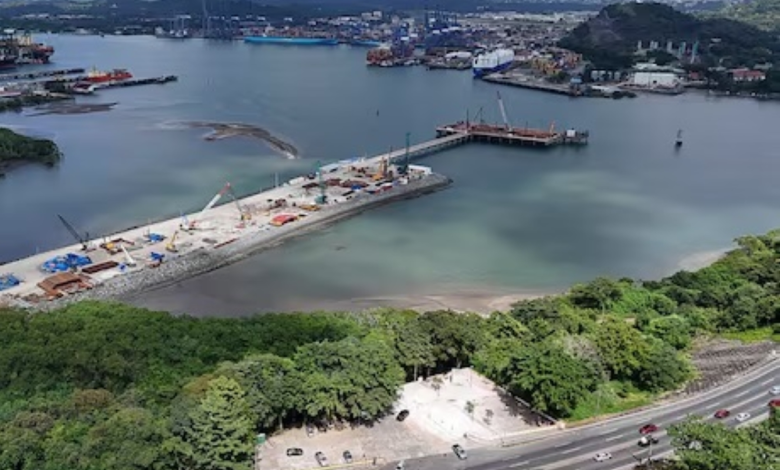
In a move with profound geopolitical and economic implications, Panamanian authorities officially announced on Monday the restoration of full control over two strategic ports on either side of the Panama Canal, implementing a court ruling that terminated concession agreements granted to a major Chinese company. This move comes at a time of escalating international competition over vital waterways, placing Panama at the heart of rivalries between major powers.
Details of the decision and field control
Panama's Maritime Authority has begun taking effective control of the ports of Balboa on the Pacific Ocean and Cristóbal on the Atlantic Ocean. This decisive move comes after the country's Supreme Court ruled the contract with Hong Kong-based CK Hutchison unconstitutional. Ports Director Max Flores confirmed at a press conference that the state guarantees the continued operation of these vital facilities without any disruption that could harm global trade.
Transitional phase and the role of global companies
To ensure smooth operations, the Panamanian government announced an 18-month transition period. During this time, the cranes will remain operational, as APM Terminals, the operating arm of the Danish shipping giant Maersk, has been tasked with temporarily managing the two ports. This move paves the way for a new international tender that will determine the future operator of the ports, potentially opening the door to new economic alliances that could reshape the regional landscape of influence.
Geopolitical dimensions: between Washington and Beijing
This event cannot be viewed in isolation from the tense international context, specifically the trade and strategic conflict between the United States and China. Washington has long viewed with concern the growing Chinese presence around the Panama Canal, which the United States built at the beginning of the 20th century and operated until 1999. The canal is considered a vital artery for American national and economic security, as a huge percentage of goods destined for and from the American coast pass through it.
These concerns have gained further momentum with recent political statements in the United States, including President Donald Trump's repeated calls for a review of the canal's status to prevent Chinese dominance. Observers believe Panama's decision to terminate the Chinese company's contract may be an attempt to allay American concerns and reaffirm Panama's commitment to the canal's operational neutrality, especially given that the Chinese company had previously sought to sell its assets to a consortium led by the American firm BlackRock in an effort to mitigate pressure.
The economic importance of the ports of Balboa and Cristobal
The two ports are of exceptional importance in the world of logistics; located at the entrances to the canal, they are key transshipment hubs for containers between the Atlantic and Pacific Oceans. Controlling these points translates not only into commercial gains but also into the ability to influence global supply chains. As the transition period begins, global markets are awaiting the identity of the new operator, while Panama seeks to maximize its returns and maintain balanced relations with major powers.