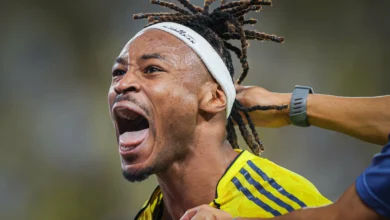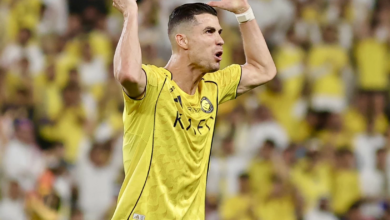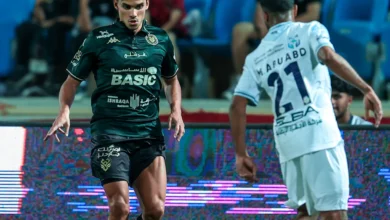
Conor Bradley's injury ends his season with Liverpool and creates a defensive crisis

Liverpool's title hopes this season have been dealt a major blow with the official announcement that young right-back Conor Bradley's season is over due to a serious knee injury. This news presents a significant challenge for manager Arne Sloat, especially given the team's current shortage of options in that crucial position.
Details of the injury and the official statement
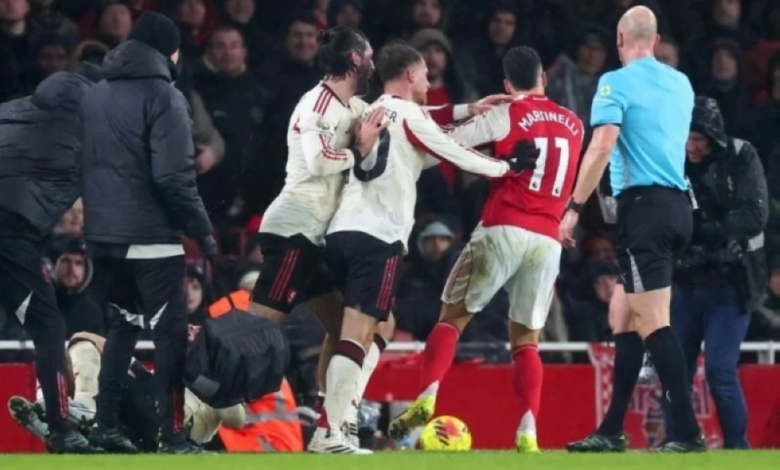
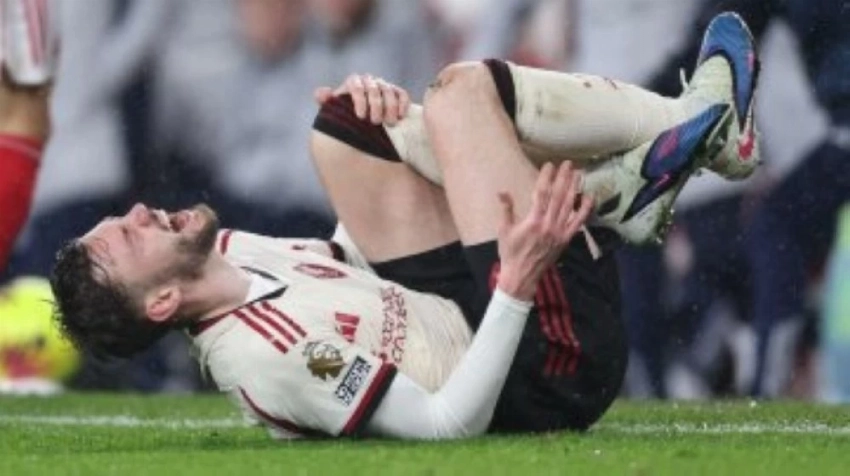
Liverpool Football Club confirmed in an official statement published on its website on Sunday that medical tests have revealed Conor Bradley requires immediate surgery. The statement read: "Liverpool Football Club confirms that Conor Bradley suffered a serious knee injury in the closing stages of Thursday night's away game against Arsenal." The player is scheduled to begin a lengthy rehabilitation program at the AXA training center following the surgery. While no exact return date has been given, medical assessments suggest he will be sidelined until the end of the current 2025-2026 season.
A huge void after the departure of Alexander-Arnold
This injury takes on disastrous dimensions for the Reds, given the team's current situation. Since the departure of star player Trent Alexander-Arnold to Real Madrid last summer, the coaching staff and fans have relied entirely on Conor Bradley to fill that significant void. The young player has already proven his worth in the 12 Premier League appearances he has made this season, delivering a balanced performance between defense and attack, making his absence now a genuine tactical crisis.
Arne Slot Limited Options
Dutch coach Arne Slot now finds himself facing difficult and limited tactical options to compensate for the absence of his starting full-back. According to reports, the main internal solution lies in relying on Joe Gomez, who possesses considerable experience but is more inclined towards defensive duties than attacking ones, which could disrupt the team's usual attacking balance.
Analysis also suggests that Slott may be forced into makeshift solutions, such as deploying midfielder Dominique Szoboszlai at right-back in some matches requiring a high attacking presence, an option that carries a significant defensive risk. Meanwhile, attention is turning to the transfer market and available options within the squad, with Jeremy Frimpong being the most prominent name circulating as an ideal replacement for Bradley, given his attacking capabilities which align with Liverpool's modern style of play.
This injury further complicates Liverpool's calculations at a crucial stage of the English Premier League, where competition in the Premier League requires high physical readiness and depth in the squad to cope with the continuous pressure of matches.