
أعلنت وزارة الداخلية في المملكة العربية السعودية عن حزمة من الإجراءات الحازمة والعقوبات المشددة التي تستهدف كل من يتورط في نقل مخالفي أنظمة الحج ممن لا يحملون تصاريح رسمية. وتأتي هذه الخطوة في إطار الجهود المستمرة التي تبذلها حكومة خادم الحرمين الشريفين لضمان أمن وسلامة ضيوف الرحمن، وتوفير بيئة تنظيمية محكمة تتيح للحجاج أداء مناسكهم بكل يسر وسهولة وطمأنينة.
5 عقوبات صارمة تنتظر ناقلي مخالفي أنظمة الحج
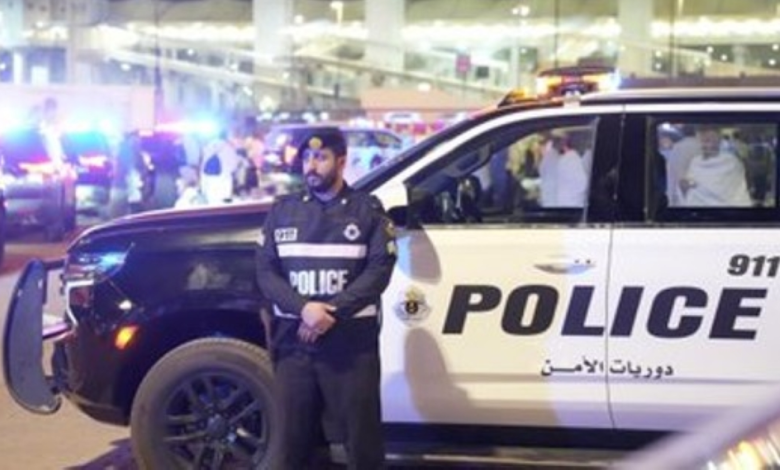
أكدت وزارة الداخلية أن الجهات الأمنية ستطبق النظام بحزم على كل من يُضبط متلبساً بنقل أفراد لأداء فريضة الحج دون حصولهم على التصاريح اللازمة، سواء كان الناقل مواطناً أو مقيماً. وتتضمن العقوبات المقررة خمسة إجراءات رئيسية رادعة، وهي:
- غرامة مالية ضخمة: تُفرض غرامة تصل إلى 50 ألف ريال سعودي عن كل حاج يتم نقله بطريقة غير نظامية.
- عقوبة السجن: السجن لمدة تصل إلى ستة أشهر بحق الناقل المخالف.
- مصادرة وسيلة النقل: المطالبة قضائياً بمصادرة المركبة البرية المستخدمة في عملية النقل غير المصرحة.
- الإبعاد والترحيل: في حال كان الناقل وافداً، يتم ترحيله فوراً بعد تنفيذ العقوبة المقررة بحقه.
- المنع من دخول المملكة: يُمنع الوافد المخالف من دخول أراضي المملكة العربية السعودية نهائياً وفقاً للمدد النظامية المعتمدة.
السياق العام والخلفية التاريخية لتنظيم الحج
تاريخياً، أولت المملكة العربية السعودية اهتماماً بالغاً بتنظيم شعيرة الحج، حيث أطلقت منذ سنوات عديدة حملة “لا حج بلا تصريح”. جاءت هذه الحملة كضرورة حتمية استجابةً للتحديات اللوجستية والأمنية التي تفرضها الأعداد المليونية للحجاج في مساحة جغرافية محدودة وهي المشاعر المقدسة. في الماضي، كان التوافد العشوائي وغير المنظم يؤدي إلى تكدس بشري هائل، مما كان يشكل خطراً على سلامة الحجاج. ومن هنا، برزت أهمية نظام التصاريح الذي يضمن توافق أعداد الحجاج مع الطاقة الاستيعابية للمخيمات، ووسائل النقل، والخدمات الصحية والأمنية، مما يعكس التزام المملكة الراسخ بحماية الأرواح وتسهيل أداء النسك.
أهمية الحدث وتأثيره المتوقع
التأثير المحلي
على الصعيد المحلي، يسهم التطبيق الصارم لهذه العقوبات في القضاء على الحملات الوهمية والحد من ظاهرة الافتراش في المشاعر المقدسة التي تعيق حركة المشاة وسيارات الإسعاف. كما يضمن توجيه الموارد والخدمات الحكومية، سواء الصحية أو الأمنية أو الغذائية، للحجاج النظاميين الذين قدموا وفق الإجراءات الرسمية، مما يرفع من جودة الخدمات المقدمة ويعزز من كفاءة إدارة الحشود.
التأثير الإقليمي والدولي
إقليمياً ودولياً، تعزز هذه الإجراءات الصارمة من ثقة الدول الإسلامية في قدرة المملكة على إدارة هذا التجمع البشري الأكبر عالمياً بأعلى معايير السلامة. كما يضمن نظام التصاريح العدالة في توزيع حصص الحج بين مختلف دول العالم، مما يمنح الفرصة لأكبر عدد ممكن من المسلمين لأداء الفريضة بشكل منظم وعادل، ويمنع استنزاف الحصص والموارد من قبل المتسللين غير النظاميين.
دعوة للالتزام والتعاون لموسم حج 1447هـ
شددت وزارة الداخلية على أن الحصول على تصريح حج نظامي يُعد شرطاً أساسياً لأداء الفريضة. ودعت الوزارة جميع المواطنين والمقيمين إلى الالتزام التام بالتعليمات المنظمة لموسم حج 1447هـ، والتعاون الفعال مع الجهات المختصة لضمان أمن وسلامة ضيوف الرحمن، مؤكدة أن مخالفة هذه التعليمات تعرض مرتكبيها للعقوبات النظامية دون تهاون.
كما حثت الوزارة الجميع على المبادرة بالإبلاغ عن أي مخالفين أو حملات وهمية، وذلك من خلال الاتصال على الرقم (911) في مناطق مكة المكرمة، والمدينة المنورة، والرياض، والمنطقة الشرقية. أما في بقية مناطق المملكة، فيمكن الإبلاغ عبر الاتصال على الرقم (999). إن الالتزام بهذه التوجيهات يعكس الوعي المجتمعي ويساهم في إنجاح موسم الحج ليخرج بصورة تليق بمكانة المملكة.