Pentagon announces casualty figures
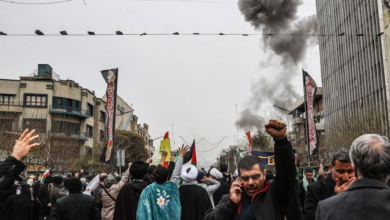
In a significant development reflecting the scale of military tensions in the Middle East, the US Department of Defense (Pentagon) announced that approximately 140 US military personnel have sustained injuries of varying severity. These injuries are the result of a series of attacks targeting US forces since the escalation of direct confrontations with Iran on February 28. This announcement underscores the human cost of the ongoing military escalation in this vital region.
Details of the injuries and the soldiers' medical condition
In an official statement detailing the nature of the casualties, Pentagon spokesman Sean Parnell stated that medical assessments showed the vast majority of the injuries were minor and not life-threatening. Parnell confirmed that approximately 108 of the injured service members have recovered and returned to their military duties and field operations. However, he noted that eight service members sustained critical injuries and are currently receiving the highest level of specialized medical care to ensure their stability.
Losses in lives and geographical distribution
In addition to injuries, the military report addressed the loss of life suffered by US forces since the beginning of this wave of Iranian attacks. The US military had previously announced the deaths of seven service members in various locations. These losses were geographically distributed, including six soldiers killed in Kuwait and one in Saudi Arabia, reflecting the wide geographical scope of the attacks in the Arabian Gulf region.
Iranian attacks decline as US response escalates
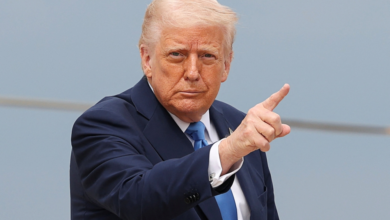
On both the tactical and strategic levels, the battlefield is undergoing significant changes. Last Tuesday, U.S. Defense Secretary Pete Hegseth stated that American forces are escalating their military strikes against Iranian targets. This intensified strike coincides with a marked decrease in the number of drones and ballistic missiles launched by Iran, compared to the intensity of fire seen in the early days of the war.
The historical context of US-Iranian tensions
These events come within a long history of tensions between Washington and Tehran. For decades, the United States has maintained a strong military presence in the Middle East, primarily through U.S. Central Command (CENTCOM), with the aim of securing navigation in the Strait of Hormuz, through which a significant portion of the world's oil supply passes. These tensions have repeatedly escalated due to disagreements over Iran's nuclear program and Tehran's support for armed groups in the region, making U.S. bases vulnerable to repeated attacks.
Regional and international impact of military escalation
This military escalation has far-reaching consequences that extend beyond the borders of the two countries. Regionally, these confrontations are a source of concern for the Gulf states, which strive to maintain their security and economic stability and consistently call for de-escalation and dialogue. Internationally, any threat to Gulf security is immediately reflected in global energy markets, leading to fluctuations in oil prices and impacting the global economy. These developments are also prompting the international community to intensify its diplomatic efforts to prevent the region from sliding into open conflict that could disrupt global supply chains.