Pentagon: Iranian response failed; Khamenei's relatives killed in joint strikes


In a significant development in the escalating events in the Middle East, the US Central Command (CENTCOM) officially announced on Saturday that its defense systems successfully intercepted the recent Iranian attacks, confirming that there were no casualties among US forces stationed in the region. This announcement comes amid unprecedented tensions, with the parties involved exchanging strikes and threats, placing the entire region on a knife's edge.
Details of the American response and air defenses
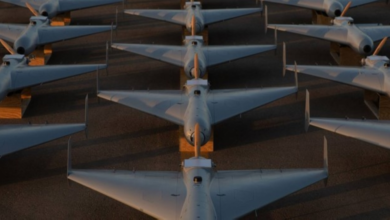
In its statement, the US Central Command explained that US forces intercepted hundreds of missiles and drones launched by Iran, noting that the Iranian response did not result in any US casualties. Military reports added that damage to US infrastructure was very limited and did not affect operational capabilities or the conduct of military operations in the region, reflecting the readiness of US air defense systems to deal with intense aerial threats.
Heavy losses on the Iranian side
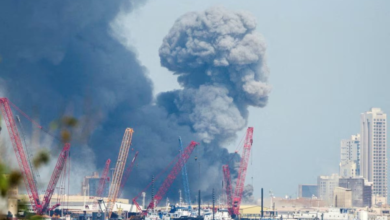
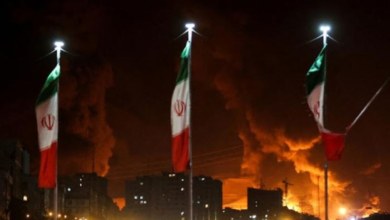
On the other hand, in statements reflecting the scale of the escalation, Reuters quoted a Tehran city council official confirming the deaths of Iranian Supreme Leader Ali Khamenei's son-in-law and his daughter-in-law during the joint US-Israeli strikes targeting sites inside Iran. The casualties were not limited to prominent figures; the Iranian Red Crescent Society announced a heavy death toll on Saturday evening, reporting 201 fatalities from the strikes, indicating the wide scope and depth of the attacks.
Regional context and historical background
These events cannot be understood in isolation from the historical context of the conflict in the region. While US-Iranian relations have been chronically strained for decades, Israel's direct involvement and participation in the strikes alongside the United States represents a qualitative shift in the rules of engagement. The region has long been a theater for proxy wars, but the move to direct confrontation and the targeting of figures close to the highest decision-making circles in Tehran heralds a new phase of the conflict that could have long-term repercussions.
Expected impacts on international security
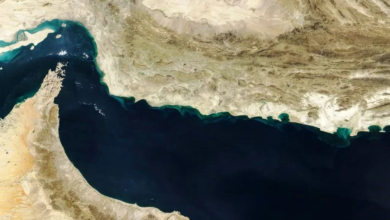
This escalation carries serious implications at both the regional and international levels. From a geopolitical perspective, targeting the Iranian heartland and causing such a high number of casualties could provoke retaliatory attacks that might affect international shipping lanes, particularly the Strait of Hormuz, thus threatening global energy supplies. Furthermore, the success of US defenses in neutralizing the Iranian attack could alter the military calculations in the region and strengthen the US-Israeli alliance, but it could also push Tehran to seek unconventional deterrents to restore the balance of terror.
All eyes remain on the major capitals to monitor diplomatic reactions, amid fears that the region could slide into a full-blown war whose outcomes would be difficult to control, especially with the rising toll of human and symbolic losses on the Iranian side.