
تأمين إمدادات الطاقة الفلبينية عبر مضيق هرمز
أعلنت الحكومة الفلبينية، في خطوة دبلوماسية هامة لضمان أمنها في مجال الطاقة، عن تلقيها تعهدات رسمية من الجمهورية الإسلامية الإيرانية بضمان المرور الآمن والسلس لشحنات النفط والطاقة الفلبينية عبر مضيق هرمز الاستراتيجي. وأكدت وزارة الخارجية الفلبينية في بيان رسمي صدر يوم الخميس، أن وزير الخارجية الإيراني أبلغ نظيره الفلبيني بالتزام طهران الكامل بتأمين عبور السفن التجارية التي ترفع العلم الفلبيني، بالإضافة إلى ضمان سلامة البحارة الفلبينيين العاملين على متن هذه السفن، مما يضمن وصول إمدادات الطاقة الحيوية إلى الأرخبيل الفلبيني الذي يعتمد بشكل شبه كلي على الواردات الخارجية لتلبية احتياجاته المتزايدة.
السياق العام والأهمية الاستراتيجية لمضيق هرمز
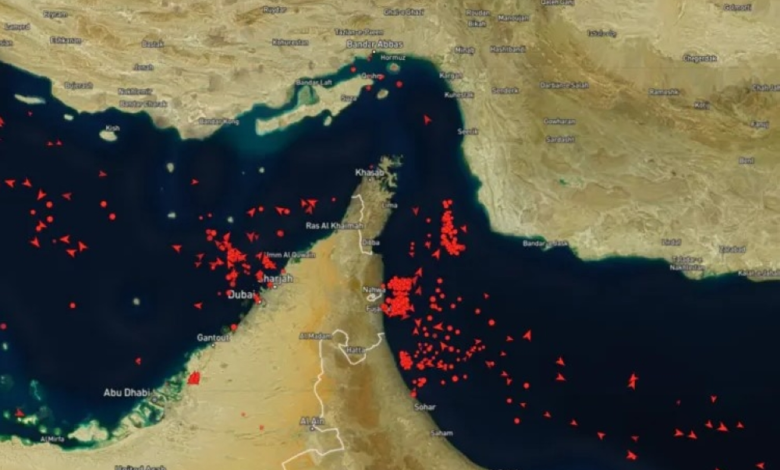
يُعد مضيق هرمز واحداً من أهم الممرات المائية وأكثرها حساسية في العالم، حيث يربط بين الخليج العربي وخليج عُمان وبحر العرب. وتكمن أهميته الاستراتيجية في كونه الشريان الرئيسي لتدفق النفط العالمي، حيث يمر عبره نحو خُمس استهلاك العالم من النفط الخام يومياً. وأي توترات أو اضطرابات في هذا المضيق تنعكس بشكل مباشر وفوري على أسعار الطاقة العالمية وسلاسل الإمداد. لذلك، فإن الحصول على ضمانات بمرور آمن في هذه المنطقة الحيوية يُعد إنجازاً دبلوماسياً يقي الدول المستوردة من صدمات اقتصادية محتملة ناتجة عن التوترات الجيوسياسية.
الاعتماد الفلبيني على واردات الطاقة
تكتسب هذه الخطوة أهمية بالغة بالنسبة للفلبين، وهي دولة أرخبيلية تتكون من آلاف الجزر وتشهد نمواً اقتصادياً يتطلب استهلاكاً متزايداً للطاقة. تفتقر الفلبين إلى احتياطيات كافية من الوقود الأحفوري، مما يجعلها تعتمد بشكل كبير جداً على استيراد النفط والغاز لتشغيل محطات توليد الكهرباء وتلبية احتياجات قطاع النقل والصناعة. إن تأمين خطوط الإمداد عبر مضيق هرمز يعني استقراراً في أسعار الوقود المحلية، وتجنب أي نقص قد يؤدي إلى أزمات اقتصادية أو تضخم يؤثر على معيشة المواطنين الفلبينيين.
حماية البحارة الفلبينيين: أولوية وطنية قصوى
إلى جانب أمن الطاقة، يبرز بُعد إنساني واقتصادي آخر يتمثل في حماية العمالة البحرية. تُصنف الفلبين كواحدة من أكبر الدول المصدرة للعمالة البحرية في العالم، حيث يشكل البحارة الفلبينيون نسبة كبيرة من طواقم السفن التجارية وناقلات النفط العالمية. وقد تعرضت هذه العمالة في فترات سابقة لمخاطر عديدة نتيجة التوترات في الشرق الأوسط. لذا، فإن التعهد الإيراني بضمان سلامة هؤلاء البحارة يمثل طمأنة كبيرة لعائلاتهم وللاقتصاد الفلبيني الذي يستفيد بشكل كبير من التحويلات المالية التي يرسلونها إلى وطنهم.
التأثيرات المتوقعة للاتفاق الدبلوماسي
على الصعيد المحلي، يعزز هذا التعهد من استقرار الاقتصاد الفلبيني ويضمن استمرار عجلة الإنتاج دون انقطاع. إقليمياً، يعكس هذا التطور نجاح القنوات الدبلوماسية في تحييد المصالح الاقتصادية للدول النامية عن الصراعات والتوترات السياسية في منطقة الشرق الأوسط. أما على الصعيد الدولي، فإنه يبعث برسالة إيجابية حول إمكانية الحفاظ على حرية الملاحة والتجارة الدولية من خلال الحوار المباشر والاتفاقيات الثنائية، مما يساهم في تخفيف حدة القلق في أسواق الطاقة العالمية ويضمن تدفق الإمدادات بشكل مستقر.