Thousands evacuated in the Philippines after Mayon volcano alert raised to level 3

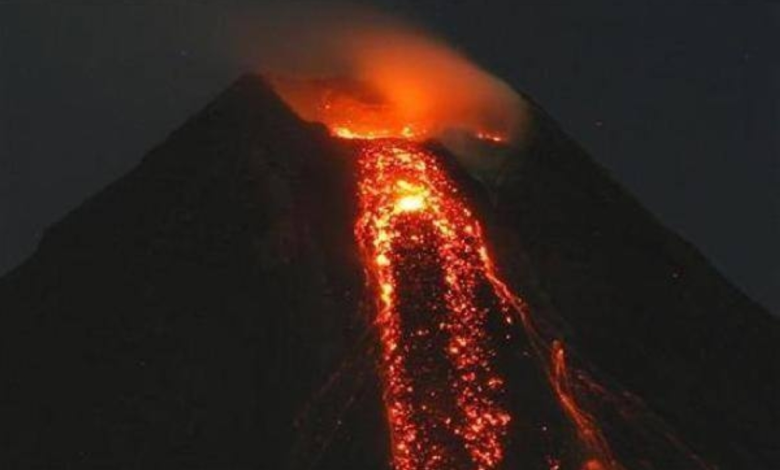
Philippine authorities announced today the start of large-scale evacuations involving about 3,000 villagers in Albay province, in response to a series of volcanic eruptions and increased activity at Mayon volcano, one of the most active and dangerous volcanoes in the Philippine archipelago.
The National Disaster Risk Reduction and Management Council and the Philippine Institute of Volcanology and Seismology have raised the alert level to Level 3 on a scale of 5. This level indicates high volcanic activity and an increased likelihood of a major eruption within days or weeks. The decision followed the detection of intermittent rockfalls from the volcano's summit, as well as the observation of fast-moving lava flows and heavy emissions of gases and volcanic ash that have begun to blanket surrounding areas.
Geological background: Mayon volcano and its strategic location
Mayon Volcano, located in Albay Province in the Bicol region of Luzon Island, is world-renowned for its perfectly cone-shaped rock, making it a major tourist destination. However, it also poses a constant threat to local residents. This volcano is part of the Pacific Ring of Fire, a horseshoe-shaped zone around the Pacific Ocean basin characterized by intense seismic and volcanic activity, and home to more than 75% of the world's active volcanoes.
A history of volcanic eruptions and their impact
This activity is not new to Mayon Volcano, which has recorded more than 50 eruptions in the past 400 years. The most tragic event in Philippine memory occurred in 1814 when the volcano completely buried the town of Cagsawa under lava and ash, killing more than 1,200 people. All that remains of the town is the church bell tower, which still stands as a testament to the disaster.
Government procedures and safety measures
In light of current warnings, authorities have established a security perimeter, known as the "permanent danger zone," with a 6-kilometer radius around the volcano's crater. They are warning against approaching the area due to the potential for sudden eruptions, landslides, and mudflows (lahars), especially in the event of rainfall. Emergency teams are currently working to secure temporary shelters for evacuated residents, providing them with medical and food supplies, in anticipation of a prolonged period of volcanic activity that could last for several months, as has occurred in previous eruptions.
Experts stress that the current situation requires full vigilance, as changes in the volcano's behavior can occur rapidly, necessitating an immediate response from residents to civil defense instructions to ensure their safety and minimize human losses.