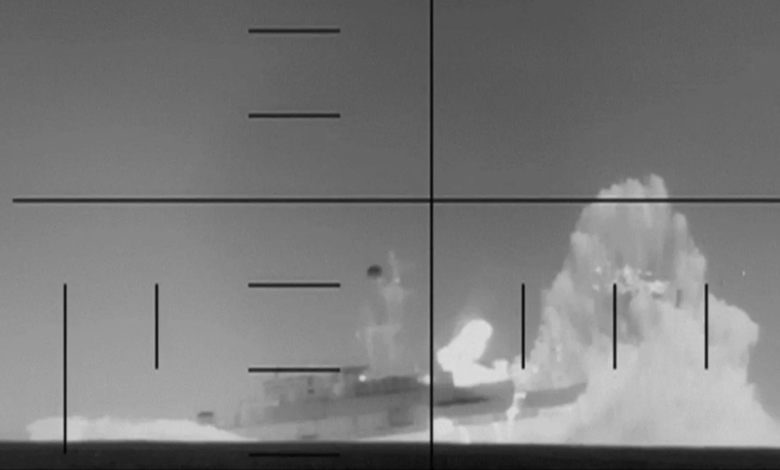

In a significant development, Sri Lankan authorities announced the recovery of the bodies of 87 Iranian sailors who were aboard an Iranian naval frigate sunk by US forces in the Indian Ocean. Official sources, including the Sri Lankan army and police, confirmed on Wednesday that search and recovery operations are continuing in the area where the incident occurred.
Details of search and rescue operations
According to official statements from Colombo, the targeted frigate was carrying a large crew. Rescue teams have so far managed to save 32 sailors alive, and they are receiving necessary medical care. Meanwhile, search teams are continuing to comb the area for 61 other sailors who remain missing, amid fears that the death toll could rise due to the difficult sea terrain and the vast search area in the Indian Ocean.
Geopolitical context and maritime tensions
This incident comes amid escalating tensions between the United States and Iran, which often play out in international waterways. The Indian Ocean is a strategically vital region for global trade and for the military operations of major powers. Historically, US-Iranian relations have witnessed numerous naval confrontations, from the 1980s and the so-called "Tanker War" to sporadic incidents in the Strait of Hormuz and the Arabian Sea in recent years. This particular incident—the sinking of an entire frigate—represents a dangerous escalation in the level of direct engagement between the two sides.
Regional and international repercussions
This incident is expected to cast a shadow over the security landscape in the region, raising international concerns about maritime safety and the potential for wider conflict. It also highlights the role of regional states, such as Sri Lanka, in addressing the humanitarian consequences of these conflicts through relief operations and the recovery of victims, placing a logistical and diplomatic burden on neutral countries near whose territorial or economic waters these incidents occur.
The relevant authorities continue to monitor the situation, currently focusing on the humanitarian aspect of identifying the victims and trying to find possible survivors among the 61 missing persons, in one of the deadliest maritime accidents in recent times.