
توافد الحجاج إلى مشعر منى في يوم التروية
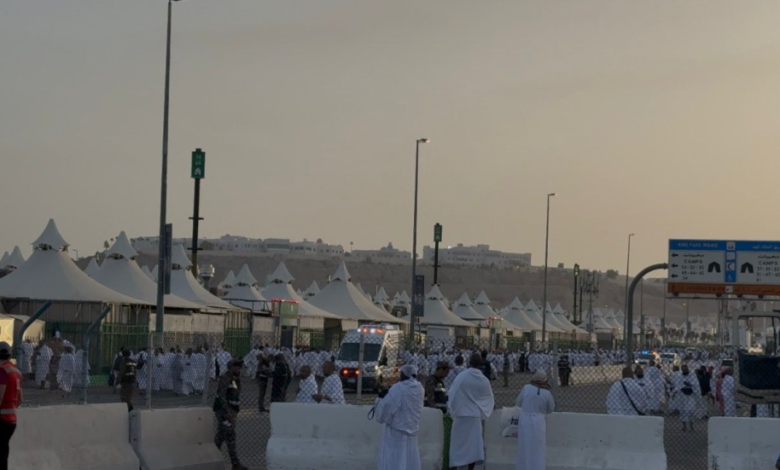
توافدت جموع حجاج بيت الله الحرام، اليوم الثامن من شهر ذي الحجة، إلى مشعر منى لقضاء يوم التروية، في أجواء إيمانية مفعمة بالسكينة والروحانية، ووسط منظومة تشغيلية وخدمية متكاملة نفذتها مختلف الجهات المعنية في المملكة العربية السعودية لخدمة ضيوف الرحمن خلال موسم الحج. وشهد المشعر منذ ساعات الفجر الأولى تدفق مئات الآلاف من الحجاج إلى مخيماتهم وفق خطط تفويج منظمة ودقيقة، دعمتها شبكة واسعة من الخدمات الميدانية، والأمنية، والصحية، والتنظيمية. وقد اتسم هذا المشهد المهيب بالانسيابية والانضباط، بالتزامن مع متابعة مباشرة من القيادات المختصة لضمان كفاءة الحركة داخل المشعر وتوفير أقصى درجات الراحة للحجيج.
السياق العام والخلفية التاريخية ليوم التروية
يُعد يوم التروية المحطة الأولى في رحلة الحج الفعلية داخل المشاعر المقدسة. من الناحية التاريخية والدينية، سُمي اليوم الثامن من ذي الحجة بـ "يوم التروية" لأن الحجاج في الماضي كانوا يتروون فيه من الماء ويحملونه معهم من مكة إلى مشعر منى، استعداداً للوقوف بصعيد عرفات في اليوم التالي، حيث لم تكن المياه متوفرة هناك في تلك الحقبة الزمنية. ويقضي الحجاج يومهم في منى اقتداءً بسنة النبي محمد صلى الله عليه وسلم، حيث يُصلون فيه الظهر والعصر والمغرب والعشاء، وفجر يوم عرفة، قصراً بلا جمع، متفرغين للذكر والدعاء والتأمل.
أهمية الحدث وتأثيره المحلي والدولي
على الصعيد المحلي، يبرز هذا الحدث السنوي القدرات التنظيمية واللوجستية الهائلة للمملكة العربية السعودية، ويعكس نجاح برامج "رؤية السعودية 2030"، وتحديداً "برنامج خدمة ضيوف الرحمن"، الذي يهدف إلى إحداث نقلة نوعية في تجربة الحج. مشعر منى، المعروف بـ "مدينة الخيام البيضاء"، يُعد من أكبر المشروعات الإنشائية في العالم، حيث يضم خياماً مطورة مقاومة للحريق ومزودة بأحدث وسائل التكييف والسلامة، مما يعكس حجم الاستثمار المحلي الضخم في البنية التحتية.
أما على الصعيدين الإقليمي والدولي، فإن مشهد توافد الحجاج من شتى بقاع الأرض يمثل رسالة عالمية قوية تجسد معاني الوحدة والمساواة والسلام. هذا التجمع البشري الضخم، الذي يضم جنسيات وثقافات متعددة تلتقي في مكان واحد وزمان واحد، يحظى باهتمام إعلامي ودولي واسع، ويؤكد على الدور المحوري للمملكة في العالم الإسلامي وقدرتها الفائقة على إدارة أكبر الحشود البشرية بأعلى معايير الأمن والسلامة.
جاهزية متكاملة لخدمة ضيوف الرحمن
رصدت التقارير الميدانية انتشاراً مكثفاً للفرق الإرشادية والتطوعية في محيط المخيمات وممرات المشاة ومحطات النقل، بما في ذلك قطار المشاعر المقدسة الذي يسهل تنقلات الحجاج. إلى جانب ذلك، تم تكثيف الخدمات الصحية من خلال المستشفيات والمراكز الصحية المتنقلة، وتفعيل خطط الوقاية والتوعية، مما يسهم في تعزيز سلامة الحجاج وتهيئة الأجواء المناسبة لأداء المناسك بطمأنينة. وتواصل الجهات المعنية تنفيذ خططها التشغيلية على مدار الساعة، لضمان انتقال الحجاج بسلاسة إلى صعيد عرفات غداً لأداء الركن الأعظم من الحج.