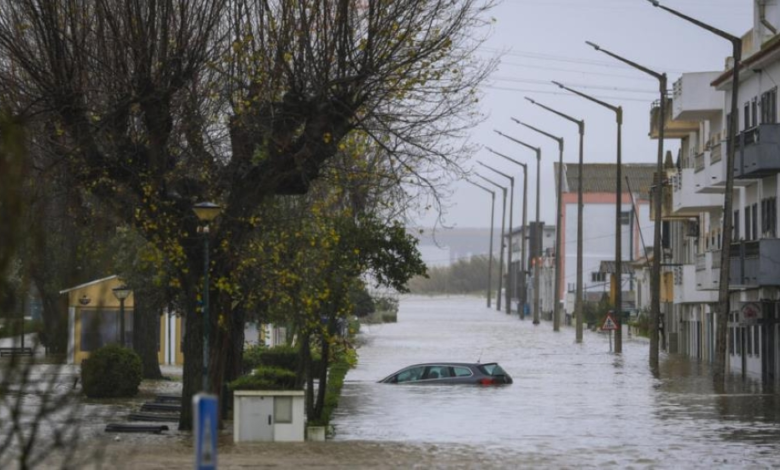

The Calabria region of southern Italy has been hit by a severe wave of extreme weather and widespread flooding, prompting local authorities to call for a new national state of emergency. These rapid developments come just days after torrential rains caused extensive damage, adding Calabria to the list of areas hardest hit in southern Italy.
Details of the natural disaster in Calabria
Roberto Occhioto, the governor of Calabria, announced in an official statement that the region had experienced severe weather conditions over the past 48 hours, including strong winds, torrential rain, and heavy hail. The Italian official indicated that this weather system caused landslides, widespread flooding, and an alarming rise in river levels, as well as dam collapses in several areas, posing a direct threat to residents and property.
The aftermath of Storm Harry and the climate context
This incident is not isolated from the broader context of the recent extreme weather events affecting Italy. The Italian government declared a state of emergency last month in Calabria, Sicily, and Sardinia following the widespread devastation caused by Storm Harry, which severely damaged coastal roads and homes. The recurrence of such events in close succession reflects the significant challenges facing infrastructure in southern Italy in the face of extreme weather, as the region has a long history of geological fragility that makes it prone to landslides.
Heavy losses in the agricultural sector
On the economic front, Occhioto confirmed that the region's agriculture, livestock, and fishing sectors have been "severely damaged." The violent storm devastated vast areas of countryside and crops, as well as vital rural infrastructure. These losses represent a significant blow to Calabria's local economy, which is heavily reliant on agriculture, and may necessitate long-term government interventions to compensate farmers and rehabilitate the land.
rescue and rapid intervention efforts
In response to the crisis, Italian public broadcaster RAI aired images showing streets and farmland submerged in brown water, with some residents trapped in their homes. Firefighters and civil defense personnel reported carrying out approximately 2,000 interventions in the past 72 hours across Calabria, Sardinia, and Sicily. Despite the extensive damage, authorities confirmed that no casualties or missing persons have been reported so far, reflecting the effectiveness of early warning systems despite the severe weather conditions.