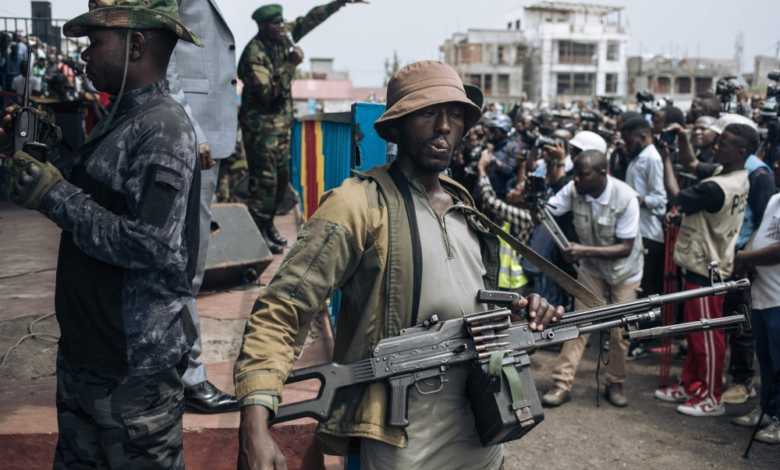

South African President Cyril Ramaphosa has formally informed UN Secretary-General António Guterres of his country's decision to withdraw its troops from the UN peacekeeping mission in the Democratic Republic of Congo (MONUSCO). This decision involves the withdrawal of 700 soldiers who formed a key part of the UN force deployed in the country, which has been plagued by conflict for decades.
Details of the presidential decision
According to a statement issued by the Pretoria presidency, this move is part of a comprehensive plan to end South Africa's contribution to UN peacekeeping operations in the Congo. The statement explained that the decision was directly influenced by the urgent need to "consolidate and reorganize the resources of the South African National Defence Force," following a nearly 27-year commitment to supporting UN peacekeeping efforts in the region. The withdrawal is scheduled to be completed before the end of this year, representing a strategic shift in South Africa's foreign military policy.
The context of the withdrawal and the end of the "Moscow" era
This withdrawal is not an isolated event, but rather part of a broader context concerning the termination of the MONUSCO mission's mandate in the Democratic Republic of Congo. The Congolese government in Kinshasa has repeatedly called for the expedited departure of UN forces, arguing that they have not been sufficiently effective in eliminating the armed groups wreaking havoc in the east of the country. The UN mission in Congo is one of the largest and most expensive peacekeeping missions in the world, but the escalating violence has prompted local authorities and the international community to reassess the viability of its continued operation in its current form.
Security challenges and the growing influence of the "M23" movement
This withdrawal coincides with a sharp deterioration in the security situation in eastern Congo, specifically in North Kivu province. The beginning of 2025 saw a dangerous escalation in the conflict, with the M23 rebel movement, which UN reports accuse Rwanda of supporting, seizing control of vast swathes of territory and key strategic cities. This situation has created a dire humanitarian crisis and displaced hundreds of thousands of civilians, presenting the region with complex security challenges following the departure of UN forces.
South Africa's dual role in the region
It is worth noting that South Africa's withdrawal from the UN mission does not signify its complete exit from the military scene in Congo. Last year, Pretoria deployed hundreds of troops as part of a separate military mission under the Southern African Development Community (SADC). This regional force, whose mandate differs from that of the UN force, engaged in more direct and intense confrontations with the rebels, resulting in the deaths of several of its soldiers, including 17 killed during the escalating conflict. This shift reflects a growing desire among African states to rely on regional solutions (such as SADC forces) rather than traditional UN missions to address existential threats on the continent.