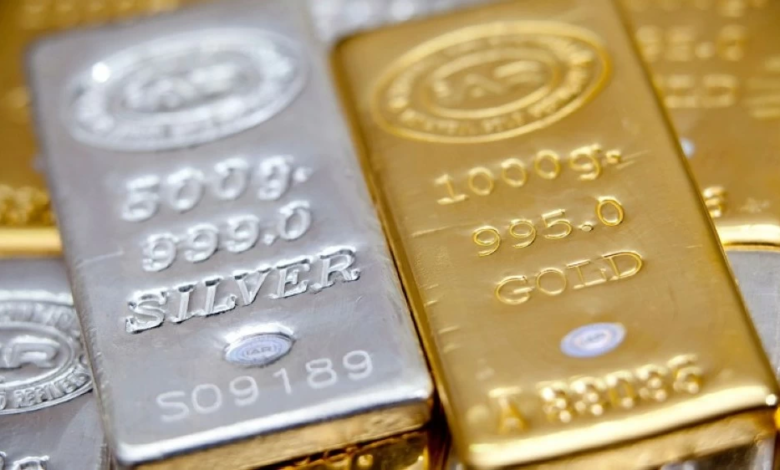

شهدت أسعار الذهب والفضة اليوم الجمعة موجة انتعاش قوية في الأسواق العالمية، مدفوعة بعمليات شراء مكثفة من قبل المستثمرين لاقتناص الفرص، وذلك عقب الانخفاض الحاد الذي سجلته المعادن الثمينة في الجلسات السابقة، حيث هبطت إلى أدنى مستوياتها في أسبوع.
تفاصيل حركة أسعار الذهب
في المعاملات الفورية، صعد المعدن الأصفر بنسبة واحد بالمئة ليصل إلى 4966.83 دولاراً للأوقية (الأونصة). يأتي هذا الصعود كمحاولة لتعويض الخسائر الكبيرة التي تكبدها الذهب يوم أمس، حيث تراجع بأكثر من ثلاثة بالمئة، كاسراً حاجز الدعم النفسي المهم ومسجلاً مستويات دون الخمسة آلاف دولار، وهو أدنى مستوى له في أسبوع تقريباً.
وعلى صعيد العقود الآجلة، كسبت العقود الأمريكية للذهب تسليم شهر أبريل ما نسبته 0.7 بالمئة، لتستقر عند مستوى 4985.40 دولاراً للأوقية، مما يعكس تفاؤلاً حذراً بين المتداولين بشأن تعافي الأسعار على المدى القريب.
تعافي الفضة بعد الهبوط الحاد
لم يكن الذهب وحيداً في رحلة الصعود، فقد ارتفع سعر الفضة في المعاملات الفورية بنسبة 2.1 بالمئة ليصل إلى 76.76 دولاراً للأوقية. ويُعد هذا الارتفاع تصحيحاً هاماً للمسار بعد الضربة القوية التي تلقتها الفضة يوم الأربعاء الماضي، حينما هوت الأسعار بنسبة هائلة بلغت 11 بالمئة، مما خلق فرصة شرائية مغرية للمضاربين والمستثمرين الصناعيين على حد سواء.
سياق الأسواق وأهمية المعادن الثمينة
تأتي هذه التحركات السعرية في وقت تتجه فيه أنظار العالم نحو الملاذات الآمنة. تاريخياً، يُعتبر الذهب مخزناً للقيمة وأداة تحوط أساسية ضد التضخم وتقلبات العملات الورقية. عندما تنخفض الأسعار بشكل حاد كما حدث في الجلسة الماضية، غالباً ما تتدخل المحافظ الاستثمارية الكبرى وصناديق التحوط لإجراء عمليات "شراء عند الانخفاض" (Buy the Dip)، مستغلين الأسعار المنخفضة لتعزيز مراكزهم المالية، وهو ما يفسر الارتداد السريع للأسعار اليوم.
التأثير الاقتصادي وتوقعات المستثمرين
يحمل هذا الانتعاش دلالات اقتصادية هامة؛ فهو يشير إلى أن الثقة في المعادن النفيسة لا تزال قوية رغم عمليات البيع المكثفة لجني الأرباح أو لتغطية مراكز مالية أخرى. بالنسبة للفضة، فإن تعافيها يحمل بعداً إضافياً نظراً لاستخداماتها الصناعية الواسعة في التكنولوجيا والطاقة النظيفة، مما يجعل سعرها أكثر حساسية للبيانات الاقتصادية المتعلقة بالنمو الصناعي العالمي. ويراقب المحللون الآن ما إذا كان الذهب سيتمكن من استعادة والاستقرار فوق حاجز الـ 5000 دولار مرة أخرى، وهو المستوى الذي يعتبره الكثيرون نقطة ارتكاز محورية لاستمرار الاتجاه الصاعد.