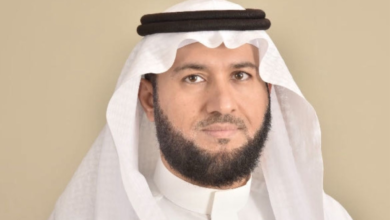

في خضم التحولات الاجتماعية والاقتصادية التي تشهدها المملكة العربية السعودية، يبرز الاستثمار في تنمية الطفولة المبكرة كركيزة أساسية لبناء جيل متمكن وقادر على مواكبة تطلعات رؤية 2030. وفي هذا السياق، تؤكد الخبيرة التربوية ومعلمة رياض الأطفال، نجلاء العنزي، أن الأساليب التربوية الحديثة القائمة على الرفق والاحتواء هي السبيل الأمثل لتحويل أخطاء الأطفال إلى محطات للتعلم وبناء الشخصية، بعيدًا عن القسوة والعقاب الذي قد يترك ندوبًا نفسية عميقة.
أخطاء الأطفال: فرصة للنمو لا مبرر للعقاب
أوضحت نجلاء العنزي في حديثها لـ “اليوم” أن الخطأ جزء لا يتجزأ من الطبيعة البشرية في جميع مراحل العمر، فمن غير المنطقي مطالبة طفل في بداية تشكل وعيه بالكمال. وقالت: “لدي قناعة راسخة أن الإنسان، ما دام على قيد الحياة، فهو يخطئ ويصيب، ويلتمس طريق الصواب. فكيف نطالب طفلاً بالكمال الذي نفتقده نحن كراشدين؟”.
وشددت على أن كل خطأ يرتكبه الطفل هو في جوهره فرصة ثمينة للتعلم واكتساب الخبرة. فبدلاً من اللجوء إلى الصراخ أو العقاب، يجب على المربي أن يرى في الموقف محطة تعليمية لتوجيه الطفل نحو السلوك الصحيح، في بيئة آمنة تمنحه الثقة اللازمة للنمو المعرفي والوجداني السليم.
السياق العالمي لأساليب التربية الحديثة
لم تعد التربية مجرد مجموعة من الأوامر والنواهي، بل أصبحت علمًا قائمًا بذاته يستند إلى دراسات معمقة في علم نفس النمو. لقد تطورت النظريات التربوية عالميًا من التركيز على الانضباط الصارم إلى تبني مفاهيم “التربية الإيجابية” و”التربية بالرفق”. تقوم هذه المدارس الحديثة على فهم أن دماغ الطفل في مرحلة نمو مستمر، وأن التجارب التي يمر بها، بما في ذلك الأخطاء، تساهم في تشكيل روابطه العصبية. العقاب القاسي يولد الخوف والقلق، مما يعيق عملية التعلم، بينما الحوار والتوجيه يعززان مهارات حل المشكلات والتفكير النقدي لدى الطفل.
أهمية التربية السليمة في تحقيق مستهدفات رؤية 2030
تتجاوز أهمية هذا النهج التربوي حدود الأسرة لتصل إلى التأثير المباشر في مستقبل الوطن. تهدف رؤية السعودية 2030 إلى بناء مجتمع حيوي واقتصاد مزدهر، وهذا الهدف يعتمد بشكل أساسي على رأس المال البشري. إن تنشئة جيل يتمتع بالصحة النفسية والثقة بالنفس والقدرة على الابتكار والمرونة في مواجهة التحديات يبدأ من الطفولة. الأطفال الذين ينشؤون في بيئة داعمة ومحفزة هم أكثر قدرة على أن يصبحوا مواطنين منتجين ومبدعين يساهمون بفعالية في تحقيق أهداف التنمية المستدامة للمملكة.
الهدي النبوي: نموذج للرفق والتدرج في التربية
استنكرت العنزي أسلوب التوبيخ الشديد الذي يبدأ بالصراخ وينتهي بتراكمات نفسية سلبية في شخصية الطفل. واستشهدت بالهدي النبوي الشريف كنموذج عملي للتدرج والرفق في التربية. وأشارت إلى أن الصلاة، وهي عمود الدين، لم يأتِ الأمر بالتأديب على تركها إلا بعد سن العاشرة، كما في قوله صلى الله عليه وسلم: “مُرُوا أولادَكم بالصلاةِ وهم أبناءُ سبعِ سنين، واضرِبوهم عليها وهم أبناءُ عشرٍ”.
وأكدت أن السنوات التي تسبق ذلك كفيلة بتوجيه الطفل نحو الفطرة السليمة وتعويده على القيم بالحب والتكرار، لا بالعنف. واختتمت حديثها بالتذكير بالحديث الشريف: “إنَّ الرِّفْقَ لا يكونُ في شيءٍ إلا زانَه، ولا يُنْزَعُ مِن شيءٍ إلا شانَه”، موجهة رسالة جوهرية لكل مربٍ وموجه بأن التربية الناجحة تقوم على الصبر والفهم ومراعاة المرحلة العمرية للطفل، وأن الرفق هو الأداة الأقوى لتجميل السلوك وتقويمه.