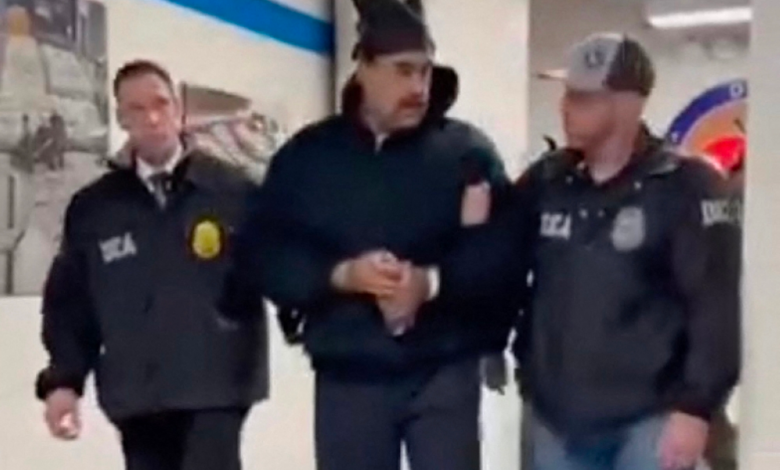

أعلن القضاء الفيدرالي الأمريكي في نيويورك عن إرجاء الجلسة المقبلة من محاكمة الرئيس الفنزويلي المخلوع، نيكولاس مادورو، والتي كانت مقررة في الأصل بتاريخ 17 مارس، ليصبح الموعد الجديد في 26 من الشهر ذاته. وجاء هذا القرار استجابة لطلب تقدمت به النيابة العامة ووافق عليه فريق الدفاع عن مادورو، حيث أشار الادعاء إلى وجود "مشكلات في التخطيط ومسائل لوجستية" حالت دون عقد الجلسة في موعدها المحدد، دون تقديم تفاصيل إضافية حول طبيعة هذه العقبات.
تفاصيل المحاكمة والتهم الموجهة
يمثل نيكولاس مادورو (63 عاماً) أمام المحكمة للمرة الثانية بعد مثوله الأول في الخامس من يناير، وذلك عقب يومين فقط من اعتقاله في عملية عسكرية أمريكية نوعية داخل الأراضي الفنزويلية. وقد دفع مادورو ببراءته من التهم المنسوبة إليه، والتي تتعلق بشكل رئيسي بالاتجار بالمخدرات وقيادة تنظيم "كارتل الشمس"، مشدداً في دفاعه عن نفسه على اعتباره "أسير حرب"، وهي الاستراتيجية التي يبدو أن فريق دفاعه سيعتمد عليها للطعن في شرعية المحاكمة.
وإلى جانب مادورو، تمثل زوجته سيليا فلوريس (69 عاماً)، المعروفة بنفوذها القوي في الدوائر السياسية الفنزويلية، أمام القضاء الأمريكي في نفس التاريخ (26 مارس). وقد دفعت فلوريس هي الأخرى ببراءتها من التهم الموجهة إليها، والتي ترتبط بملفات فساد واستغلال نفوذ واتجار غير مشروع، مما يجعل هذه المحاكمة واحدة من أبرز القضايا القانونية التي تستهدف رؤساء دول في التاريخ الحديث.
المشهد السياسي في فنزويلا بعد مادورو
يأتي هذا الحدث لينهي حقبة حكم مادورو التي امتدت من مارس 2013، عقب وفاة سلفه هوغو تشافيز، واستمرت حتى يناير 2026. وقد اتسمت فترة حكمه بقبضة حديدية وأزمات اقتصادية خانقة وعزلة دولية متزايدة. وفي ظل الفراغ الرئاسي الحالي، تتولى ديلسي رودريغيز، التي شغلت منصب نائبة الرئيس منذ عام 2018، مهام رئاسة البلاد بالوكالة، وسط ترقب دولي لمسار الانتقال السياسي في كاراكاس.
الأبعاد التاريخية والجيوسياسية للحدث
تكتسب محاكمة مادورو في الولايات المتحدة أهمية استثنائية تتجاوز البعد الجنائي؛ فهي تعيد للأذهان سيناريوهات تاريخية نادرة لتدخل القضاء الأمريكي في محاكمة رؤساء دول أجنبية، مثل قضية مانويل نورييغا في بنما. ويحمل هذا الحدث تداعيات جيوسياسية واسعة، حيث يراقب المجتمع الدولي، وخاصة حلفاء فنزويلا التقليديين في المنطقة وخارجها، مآلات هذه المحاكمة التي قد تعيد رسم خريطة التحالفات في أمريكا اللاتينية وتؤثر بشكل مباشر على أسواق الطاقة العالمية والعلاقات الدبلوماسية بين واشنطن ودول الجنوب.