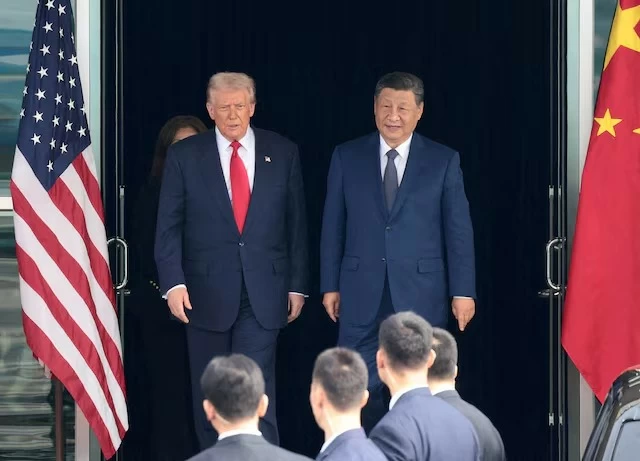

US President Donald Trump has requested a postponement of the planned summit in Beijing with Chinese leader Xi Jinping, casting a shadow over bilateral relations that had been relatively stable since their last meeting in October. However, analysts believe the postponement will not lead to a major setback in relations.
Observers believe the decision does not indicate a major deterioration in relations, but it reflects the impact of the escalating conflict with Iran on Trump's foreign policy priorities, as the war joins trade and Taiwan on the list of contentious issues between the world's two largest economies.
The postponement came at a sensitive time, as the two countries had just concluded high-level trade talks in Paris aimed at paving the way for Trump's visit to Beijing, which was scheduled for the end of this month.
These talks were followed by Washington imposing new investigations into “unfair trade practices,” as part of efforts to rebuild trade pressure on countries around the world – including China – after the US Supreme Court overturned Trump’s global tariffs last month.
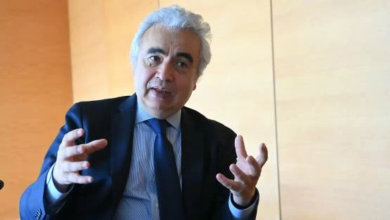
“The situation is still under control, and Beijing is still willing to hold the summit, but the complexities of the US-Iran conflict and the Supreme Court’s decision on tariffs have made things more difficult,” said Zhao Minghao, an international relations expert at Fudan University.
He added that the postponement could open the door to further trade measures, noting that the continuation of the US tariff policy could create uncertainty that affects China's calculations in its dealings with Washington.
In a related context, sources familiar with the Paris talks revealed to Reuters that China has expressed a willingness to increase its purchases of American agricultural goods, such as poultry, beef, and non-soybean crops. The two sides also discussed issues related to rare earth supplies and new methods for regulating trade and investment between the two countries.
For its part, the official China Daily newspaper described the talks as "constructive," but warned against interpreting Beijing's openness as a concession, urging the United States to avoid any steps that could undermine the stability of economic relations between the two countries.
Experts believe that the fluctuation in summit planning does not serve Chinese interests, which prefer a more stable and clear approach in dealing with Washington.
In contrast, conflicting signals were issued by US officials regarding the reasons for the postponement. Trump linked the decision to the possibility of China not cooperating in securing the Strait of Hormuz, while the US Treasury Secretary attributed it to the administration's preoccupation with coordinating war-related efforts, rather than to trade disputes.
Nevertheless, analysts emphasize that both sides remain keen to maintain a balance in relations and seek to organize a successful visit in the future.
According to experts, China's priority remains maintaining stable relations with the United States, allowing it to focus on strengthening its internal capabilities in preparation for a long-term strategic competition.
Beijing also recognizes the importance of maintaining Trump’s favor in managing bilateral relations, despite its caution against giving him an overly enthusiastic welcome while US military operations against Iran, a strategic partner of China, continue.
In this context, analysts pointed out that Trump’s preoccupation with the war, which has not been resolved as quickly as expected, makes it difficult to plan a successful visit to Beijing at the present time.
For its part, the Chinese Foreign Ministry stressed the importance of diplomacy between the leaders of countries in guiding bilateral relations, noting that communication between the two sides continues regarding setting a new date for the visit.
US President Donald Trump has requested to postpone the planned summit in Beijing with Chinese leader Xi Jinping, casting a shadow over the bilateral relations that had been relatively stable since their last meeting in October. However, analysts believe that this postponement will not lead to a significant setback in relations.
Observers see the decision as not indicating a major deterioration in relations, but rather reflecting the impact of the escalating conflict with Iran on Trump's foreign policy priorities, as the war has joined trade and Taiwan on the list of contentious issues between the world's two largest economies.
The postponement comes at a sensitive time, as the two countries had just concluded high-level trade talks in Paris aimed at paving the way for Trump's visit to Beijing, which was scheduled for the end of this month.
These talks were followed by Washington imposing new investigations into “unfair trade practices,” as part of efforts to rebuild trade pressure on countries around the world—including China—after the US Supreme Court overturned the global tariffs imposed by Trump last month.
International relations expert at Fudan University, Zhao Minghao, stated that “the situation is still under control, and Beijing is still willing to hold the summit, but the complexities of the US-Iran conflict and the Supreme Court’s decision on tariffs have made things more difficult.”
He added that the postponement could open the door to further trade actions, noting that the continuation of US tariff policies could create a state of uncertainty affecting China's calculations in dealing with Washington.
In a related context, sources familiar with the Paris talks revealed to Reuters that China expressed readiness to increase its purchases of US agricultural goods, such as poultry, beef, and non-soy crops, and that both sides discussed issues related to rare earth mineral supplies and new ways to regulate trade and investment between the two countries.
For its part, the official China Daily described the talks as “constructive,” but warned against interpreting Beijing’s openness as a concession, urging the United States to avoid any steps that could undermine the stability of economic relations between the two countries.
Experts believe that the fluctuation in planning for the summit does not serve China's interests, which prefers a more stable and clear approach in dealing with Washington.
In contrast, mixed signals have emerged from US officials regarding the reasons for the postponement, with Trump linking the decision to China's potential lack of cooperation in securing the Strait of Hormuz, while US Treasury Secretary attributed it to the administration's focus on coordinating efforts related to the war, rather than trade disputes.
Nevertheless, analysts emphasize that both sides are still keen to maintain a balance in relations and strive for a successful visit in the future.
According to experts, China's priority remains to maintain stable relations with the United States, allowing it to focus on enhancing its internal capabilities in preparation for a long-term strategic competition.
Beijing also recognizes the importance of keeping Trump satisfied in managing bilateral relations, despite its caution in giving him an exaggerated reception amid ongoing US military operations against Iran, which is a strategic partner for China.
In this context, analysts pointed out that Trump's