Electricity returns to Berlin after the longest blackout since World War II

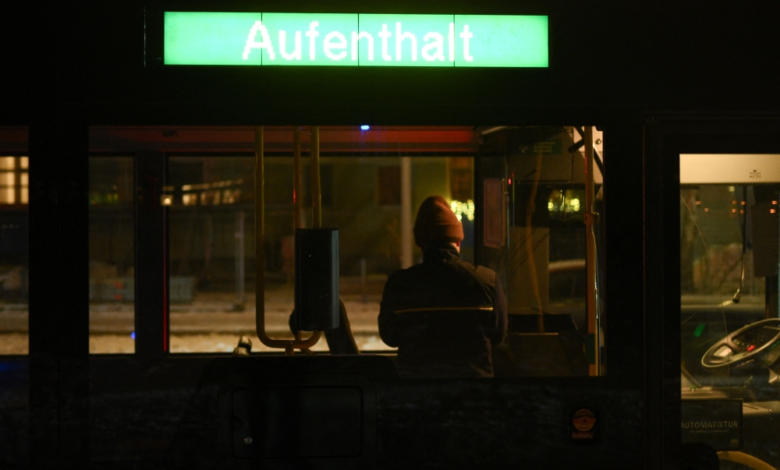
Electricity was fully restored to neighborhoods in southwest Berlin on Wednesday, ending a power outage that lasted several days and affected tens of thousands of residents. The restoration followed intensive efforts to repair damage caused by a suspected arson attack on a power station, which temporarily paralyzed the daily lives of thousands of families and businesses.
Details of the incident and the restoration of power
Berlin Mayor Kai Wegener announced that power was being gradually restored starting at 11 a.m. local time, describing the process as "complex" and requiring high technical precision to ensure the safety of the grid. The fire, which broke out early Saturday, destroyed a main cable conduit, leaving approximately 45,000 homes and more than 2,000 businesses and commercial establishments without electricity in the city's southwestern districts.
Historical context: The longest since World War II
This blackout is an exceptional event in Berlin's modern history, described by reports as the longest power outage the capital has experienced since the end of World War II. Since 1945, Germany has boasted one of the most stable and reliable electricity grids in Europe and the world. The prolonged darkness in a city the size of Berlin evokes memories of the difficult post-war period, albeit under different circumstances. Back then, the infrastructure was completely destroyed, while today it faces different challenges related to security and deliberate sabotage.
The aftermath of the incident and security concerns
This incident comes at a critical time, with temperatures plummeting in Germany, exacerbating the hardship faced by residents who rely on electricity for heating and daily life. The incident has raised serious concerns at both the local and national levels about the security of Germany's vital infrastructure. This suspected attack has reignited the debate about the vulnerability of power plants and transmission networks to sabotage, particularly given the escalating geopolitical tensions in Europe, which have made energy security a top priority for Western governments.
Economic and social impact
The outage caused economic losses for shops and businesses that were forced to close or operate at reduced capacity, in addition to disrupting public services in the affected areas. Security authorities are currently investigating the circumstances of the fire to identify the perpetrators and the motives behind this act, which targeted a vital artery of the capital. There are calls to strengthen security and protection around critical infrastructure to prevent a recurrence of such incidents that threaten civil stability.