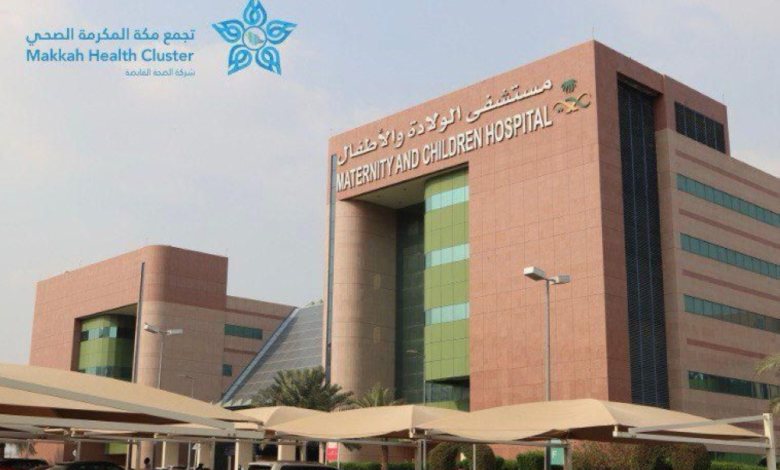

The Makkah Health Cluster announced a new medical and community achievement: the premarital screening center at the Maternity and Children's Hospital in Makkah conducted over 6,100 medical examinations for citizens and residents planning to marry during 2025. This accomplishment is part of ongoing efforts to promote public health and prevent genetic and infectious diseases, contributing to the development of healthy families and a society free from epidemics and chronic illnesses.
Program context and its national importance
The premarital screening program in Saudi Arabia is a pioneering strategic initiative that the Ministry of Health began implementing mandatorily in 1425 AH (2004 CE). Its aim is to reduce the prevalence of hereditary blood disorders (such as sickle cell anemia and thalassemia) and certain infectious diseases (such as hepatitis and HIV). These screenings are of paramount importance in the region due to the historically high rates of consanguineous marriage, which increased the likelihood of passing on recessive genetic traits to offspring. Over the past two decades, the program has successfully reduced infection rates significantly, thus alleviating the economic, social, and psychological burden on families and the healthcare sector.
Accurate statistics and vital indicators
In its 2025 statistics, the Makkah Health Cluster revealed a remarkable balance in the number of beneficiaries of the screenings, with 4,673 Saudis and 1,427 non-Saudis. Interestingly, the statistics also showed a near-equal distribution between genders, with 3,246 women and 2,854 men undergoing the screenings, reflecting a growing public awareness of the importance of this preventative measure.
Test results and health status
Detailed laboratory tests conducted by the center revealed 311 positive cases of individuals with or carrying the traits for inherited blood disorders. Sickle cell anemia topped the list at 61% of the positive cases, followed by beta-thalassemia at 20%. These figures underscore the importance of continued awareness and medical counseling. The center operates within a comprehensive system that not only conducts testing but also provides accurate assessments of the likelihood of disease transmission to future generations, enabling couples planning marriages to make informed and scientifically sound decisions.
Comprehensive specialized services
The center's role extends beyond sample collection to include advanced specialized clinics, such as a health education clinic that focuses on raising awareness among both partners and emphasizing the importance of measles and rubella vaccinations for girls to protect future offspring. The center also offers a medical counseling clinic to address genetic incompatibility with professionalism and complete confidentiality. Recognizing the importance of comprehensive preparedness, the center includes a psychological and physical assessment clinic specifically for those under 18 years of age to ensure their readiness for marriage.
In conclusion, this effort is an integral part of the Kingdom’s Vision 2030 goals and the Health Sector Transformation Program, which places prevention as a fundamental pillar for achieving a vibrant society whose members enjoy a high quality of life.