
في خطوة تعكس تنامي الوعي الصحي والمجتمعي في المملكة العربية السعودية، سجل برنامج الفحص ما قبل الزواج في شبكة القطيف الصحية أرقاماً قياسية جديدة، حيث بلغت نسبة التوافق بين المقبلين على الزواج 98%، في حين وصلت نسبة الاستجابة للمشورة الوراثية إلى 85%. هذه النتائج لا تمثل مجرد إحصائيات، بل تعبر عن تحول ثقافي عميق نحو بناء أسر خالية من الأمراض الوراثية والمعدية.
السياق التاريخي وأهمية البرنامج وطنيًا
يعد برنامج "الزواج الصحي" أحد أهم البرامج الوطنية الوقائية التي تبنتها وزارة الصحة السعودية، والذي أصبح إلزاميًا منذ عام 1425هـ. جاء هذا البرنامج كضرورة ملحة للحد من انتشار أمراض الدم الوراثية (مثل الأنيميا المنجلية والثلاسيميا) التي كانت تسجل معدلات مرتفعة في بعض المناطق، وخاصة في المنطقة الشرقية، نتيجة لعوامل وراثية وزواج الأقارب. يهدف البرنامج بشكل رئيسي إلى تقليل الضغط على المنشآت الصحية، وتجنيب الأسر المعاناة النفسية والاجتماعية والاقتصادية المترتبة على رعاية أطفال مصابين بأمراض مزمنة وشاقة.
فعالية الزواج الصحي: أرقام ودلالات
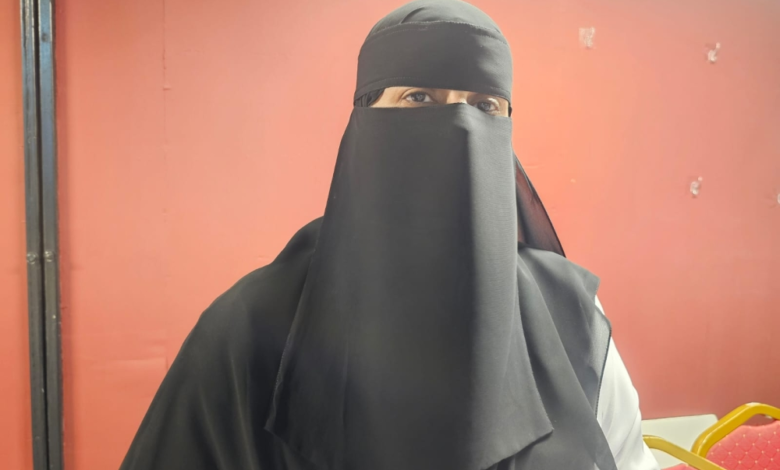
أوضحت الدكتورة رحاب البلوشي، منسقة فعالية "الزواج الصحي" بشبكة القطيف الصحية، خلال النسخة الخامسة من الفعالية التوعوية، أن الجهود المستمرة للكوادر الصحية أثمرت عن نتائج ملموسة. وأشارت إلى أن الفعالية تضمنت 4 أركان رئيسية استهدفت رفع الوعي، شملت ركن الأمراض الوراثية، وركن الزواج الآمن وغير الآمن، وركن الفحص السريع لمرض فقر الدم المنجلي (السكلسل)، بالإضافة إلى ركن الضيافة.
وأكدت البلوشي أن البرنامج الذي انطلق منذ سنوات حقق قفزات نوعية، قائلة: "هدفنا الأساسي هو تكوين أسرة سليمة وأبناء أصحاء. لقد وصلنا اليوم إلى نسبة استجابة للمشورة الوراثية بلغت 85%، وهي نسبة تعكس ثقة المجتمع في الرأي الطبي وتغليب المصلحة الصحية للأسرة المستقبلية".
الأمراض المشمولة بالفحص وتحديثات 2025
يعمل البرنامج على الكشف عن نوعين رئيسيين من الأمراض لضمان سلامة الطرفين والذرية:
- أولاً: أمراض الدم الوراثية: وتشمل فقر الدم المنجلي (السكلسل) والثلاسيميا، وهي أمراض تتطلب رعاية طبية مستمرة وقد تؤثر بشكل كبير على جودة الحياة.
- ثانياً: الأمراض المعدية: وتشمل نقص المناعة المكتسبة (الإيدز)، والتهاب الكبد الوبائي (ب) و(ج).
وفي تحديث هام للبروتوكول الصحي، أشارت الدكتورة البلوشي إلى انضمام فحص "مرض الزهري" إلى قائمة الفحوصات المعتمدة في البرنامج مع بداية عام 2025م، حيث تم اكتشاف عدة حالات وتقديم العلاج اللازم لها، مما يعزز من شبكة الأمان الصحي للمقبلين على الزواج.
دور عيادات المشورة في حالات عدم التوافق
من النقاط المضيئة في البرنامج هي آلية التعامل مع حالات "عدم التوافق". ففي حال أظهرت النتائج احتمالية انتقال أمراض وراثية، لا يكتفي البرنامج بإصدار النتيجة، بل يتم توجيه الطرفين إلى "عيادات المشورة". في هذه العيادات، يتم تقديم جلسات تثقيفية مكثفة تشرح المخاطر الطبية المحتملة بوضوح وشفافية، وتقديم خطط مستقبلية وحلول بديلة.
وأشارت الإحصائيات إلى أن مبادرة الحد من انتشار حالات عدم التوافق نجحت بشكل باهر، حيث وصلت نسبة التوافق الكلية للزيجات إلى 98%. واختتمت البلوشي حديثها بالإشادة بجهود 25 كادراً صحياً متطوعاً شاركوا في الفعالية، موجهة نصيحة لكل المقبلين على الزواج بضرورة الالتزام بالنتائج الطبية لضمان بناء مجتمع صحي وسعيد.