
استنفار شامل لإعادة تهيئة مشعر منى
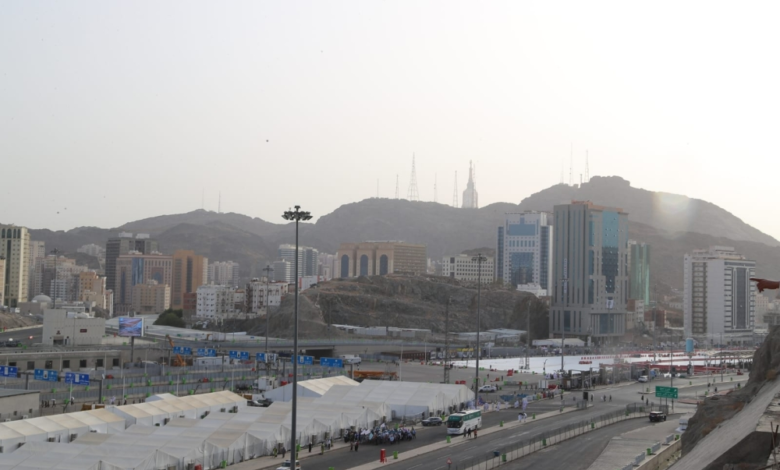
في سباق مع الزمن وخلال ساعات معدودة، باشرت الفرق الميدانية التابعة لوزارة البلديات والإسكان، ممثلة في أمانة العاصمة المقدسة، أعمال التهيئة الشاملة والإصحاح البيئي في مشعر منى. تأتي هذه الجهود المكثفة فور توجه ضيوف الرحمن إلى مشعر عرفات لأداء الركن الأعظم من الحج، وذلك ضمن الخطة التشغيلية لموسم حج 1447هـ. تهدف هذه الاستعدادات إلى ضمان الجاهزية التامة للمشعر لاستقبال الحجاج بعد نفرتهم من عرفات ومزدلفة، وتوفير بيئة صحية وآمنة تعينهم على إتمام مناسكهم بيسر وطمأنينة.
السياق التاريخي والديني لمشعر منى
يحظى مشعر منى بمكانة تاريخية ودينية عظيمة في قلوب المسلمين، فهو يُعرف بـ “مدينة الخيام” التي تحتضن ملايين الحجاج سنوياً. يقع المشعر داخل حدود الحرم المكي الشريف، ويقضي فيه الحجاج يوم التروية، ثم يعودون إليه صبيحة يوم النحر لقضاء أيام التشريق ورمي الجمرات. إن إدارة هذه الحشود المليونية في مساحة جغرافية محدودة تتطلب تخطيطاً استراتيجياً دقيقاً، وهو ما دأبت عليه المملكة العربية السعودية منذ عقود، حيث طورت البنية التحتية للمشعر بشكل مستمر، بدءاً من الخيام المطورة المقاومة للحريق، وصولاً إلى أحدث أنظمة إدارة النفايات والإصحاح البيئي لضمان سلامة ضيوف الرحمن.
خطة تشغيلية متكاملة ومنظومة نظافة متطورة
أوضحت الوزارة أن الفرق الميدانية تمكنت من إعادة تهيئة كامل مشعر منى في وقت قياسي. وقد شملت الأعمال تكثيف عمليات رفع المخلفات، وتطبيق أعلى معايير الإصحاح البيئي. ولضمان التعامل مع أي طوارئ محتملة مثل الأمطار أو الحرائق، تم دعم المواقع بفرق إضافية مجهزة بمضخات شفط، وصهاريج، وآليات ميدانية تعمل على مدار الساعة.
وفي إطار هذه الخطة الضخمة، سخرت أمانة العاصمة المقدسة أكثر من 13 ألف عامل للعمل في مكة المكرمة والمشاعر المقدسة. هؤلاء العمال مدعومون بكامل المعدات والآليات اللازمة للمحافظة على مستوى عالٍ من النظافة والخدمات الميدانية طوال أيام موسم الحج.
أرقام وإحصائيات تعكس حجم الإنجاز
تعمل منظومة إدارة النفايات في المشاعر المقدسة وفق خطة تشغيلية متكاملة ومدروسة. يتم نقل النفايات إلى المحطات الانتقالية المنتشرة حول المشاعر، ليتم تخزينها بعد يوم عرفة عبر منظومة عملاقة تضم أكثر من 1230 صندوقاً ضاغطاً، تبلغ سعة الصندوق الواحد منها 8 أطنان. بالإضافة إلى ذلك، تم تجهيز أكثر من 110 مخازن أرضية بطاقة استيعابية إجمالية تصل إلى نحو 2825 طناً.
ولرفع كفاءة جمع النفايات والمحافظة على البيئة العامة، أكدت الوزارة توفير نحو 88 ألف وحدة نفايات موزعة بعناية في كافة أرجاء المشاعر المقدسة. هذه التجهيزات تساهم بشكل مباشر في تقديم أفضل الخدمات لضيوف الرحمن، وتمنع تراكم المخلفات التي قد تؤثر على الصحة العامة.
الأهمية والتأثير المحلي والدولي
إن نجاح المملكة العربية السعودية في إدارة موسم الحج، وتحديداً في تهيئة المشاعر المقدسة مثل مشعر منى، يحمل أهمية كبرى وتأثيراً بالغاً على المستويات المحلية والإقليمية والدولية. محلياً، يعكس هذا النجاح كفاءة الأجهزة الحكومية وقدرتها على التنسيق المشترك وإدارة الأزمات والحشود بفعالية عالية. أما على الصعيدين الإقليمي والدولي، فإن تقديم هذه الخدمات الاستثنائية يعزز من مكانة المملكة كخادمة للحرمين الشريفين، ويبعث برسالة طمأنينة لملايين المسلمين حول العالم بأن ضيوف الرحمن في أيدٍ أمينة. كما أن تطبيق المعايير الصحية والبيئية الصارمة يمنع انتشار الأوبئة، مما يجعل من الحج نموذجاً عالمياً يُحتذى به في إدارة التجمعات البشرية الكبرى.