
استعدادات مكثفة لخدمة ضيوف الرحمن
في خطوة تعكس حرص المملكة العربية السعودية على تقديم أرقى الخدمات لقاصدي بيت الله الحرام ومسجد رسوله الكريم، رفعت رئاسة الشؤون الدينية بالمسجد الحرام والمسجد النبوي، اليوم الجمعة، مستوى استعداداتها التشغيلية إلى أقصى درجاتها. وتأتي هذه الخطوة من خلال إطلاق حزمة متكاملة من الخدمات الدينية، الميدانية، والتقنية، بهدف ضمان تهيئة أجواء تعبدية ميسرة ومفعمة بالروحانية للمصلين والمعتمرين.
السياق التاريخي والاهتمام القيادي بالحرمين الشريفين
تاريخياً، أولت القيادة السعودية منذ توحيد البلاد اهتماماً بالغاً وعناية فائقة بالحرمين الشريفين. وتأتي هذه الخطط المكثفة الحالية امتداداً لهذا الإرث التاريخي، ومواكبة للعناية الكريمة من القيادة الرشيدة. وتهدف الرئاسة من خلال هذه الجهود إلى تحقيق أعلى درجات الطمأنينة والسكينة، مع التركيز التام على تيسير أداء المناسك وفق المنهج الشرعي السليم، مما يعكس التطور المستمر في إدارة الحشود وتقديم الخدمات الدينية على مر العقود.
التحول الرقمي وتوظيف التقنية في الحرمين
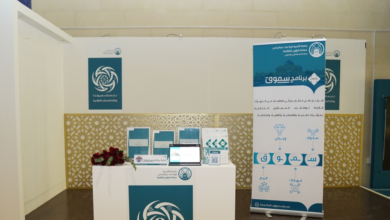
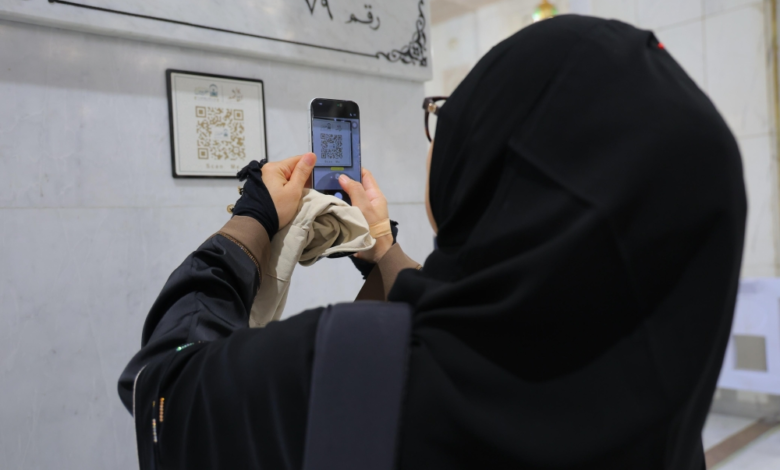
أوضحت الرئاسة أن منظومة الخدمات المطورة ترتكز بشكل أساسي على تعزيز جودة التجربة التعبدية من خلال التكامل بين الجوانب الإرشادية والتقنية. وفي إطار التحول الرقمي الذي تشهده المملكة ضمن رؤية 2030، وسّعت الرئاسة نطاق الشاشات التفاعلية داخل المسجد الحرام. هذه الشاشات لا تقتصر على العرض فحسب، بل تقدم محتوى علمياً وإرشادياً مدعوماً بمواد معرفية رقمية تسهم في توضيح أحكام المناسك وتصحيح المفاهيم الخاطئة، مما يلبي احتياجات المصلين والمعتمرين من مختلف الجنسيات والثقافات.
الأثر العالمي: إصدارات توعوية وترجمة للخطب
على الصعيد الإقليمي والدولي، تبرز أهمية هذه الجهود في إيصال رسالة الحرمين الشريفين الوسطية إلى العالم أجمع. وبينت الرئاسة أن المنظومة الرقمية تتيح إصدارات توعوية مترجمة تعين القاصدين على أداء عباداتهم وفق الهدي النبوي. كما تم تفعيل قنوات الفتوى الهاتفية وتوسيع خدمات الإجابة عن الاستفسارات بعدة لغات عالمية. ولتعزيز هذا الأثر، تم إعداد فرق متخصصة لنقل خطبة الجمعة إلى لغات متعددة، وبثها عبر منصات رقمية رائدة مثل «منارة الحرمين» و«بوابة القاصد»، مما يجعل المحتوى العلمي للحرمين متاحاً لملايين المسلمين خارج الحدود الجغرافية للمملكة.
الجهود الميدانية وتمكين المرأة في خدمة القاصدات
ميدانياً، كثّفت الرئاسة جهودها في صحن المطاف والمصليات من خلال دعم حركة التفويج وتوفير مرشدين مؤهلين لتقديم الإرشاد المباشر. وفي المسجد النبوي، تتواصل البرامج العلمية والدروس الشرعية مع تفعيل مراكز الإفتاء داخل الروضة الشريفة. ولم تغفل الرئاسة دور المرأة، حيث تضطلع الأقسام النسائية بدور محوري عبر تقديم برامج تعليمية وإرشادية داخل المصليات المخصصة للنساء، مما يعزز التجربة التعبدية للقاصدات ويضمن شمولية الخدمات.
التوافق مع برنامج خدمة ضيوف الرحمن
في الختام، أكدت رئاسة الشؤون الدينية أن هذه الجهود المتكاملة تأتي ضمن استراتيجية تطوير مستمرة، تستهدف رفع جودة الخدمات الدينية وتحقيق تجربة إيمانية متكاملة. هذه الأهداف تتناغم بشكل مباشر مع مستهدفات «برنامج خدمة ضيوف الرحمن»، أحد أهم برامج رؤية المملكة 2030، والذي يسعى إلى إحداث نقلة نوعية في تجربة الحجاج والمعتمرين والزوار من الفكرة إلى الذكرى.