Al-Sudais: Ramadan is a sustainable way of life, not just a temporary act of obedience

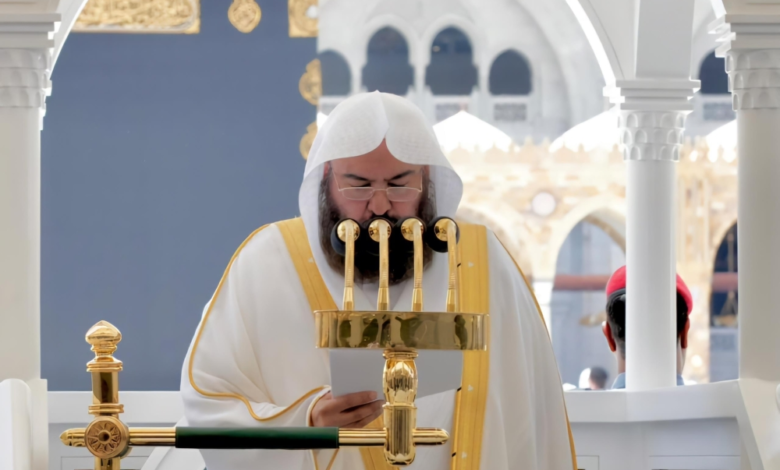
The Imam and preacher of the Grand Mosque, His Excellency Sheikh Dr. Abdulrahman bin Abdulaziz Al-Sudais, affirmed that the blessed month of Ramadan represents a pivotal moment in the life of a Muslim, emphasizing that it is not merely a fleeting season for temporary acts of worship, but rather a true source of inspiration and the creation of a lasting impact whose light and blessings extend throughout the year. This came during his Friday sermon delivered at the Grand Mosque, amidst a solemn and spiritually uplifting atmosphere and a large congregation of pilgrims and worshippers.
In his heartfelt address, Sheikh Al-Sudais explained that the narrow view of Ramadan as merely a few days of intense worship followed by a break contradicts the true purpose of fasting. He emphasized that this blessed month serves as a comprehensive program for ambitious individuals and Muslim families, aiming to reshape the Muslim character and cultivate positive habits that extend beyond Eid.
Ramadan: An educational approach and a way of life
In discussing the educational dimensions of the holy month, His Excellency pointed out that Ramadan represents a "comprehensive way of life" and an integrated educational approach. It is the great annual opportunity for renewal and positive change in all aspects of life, whether spiritual, social, or behavioral. He added that worship during Ramadan is an inspiring act, the effects of which should be felt in this life through righteous conduct, and in the hereafter through a good end. He emphasized that the school of Ramadan produces generations capable of self-discipline and controlling their desires.
The importance of the pulpit in guiding the nation
The words of the Imam of the Grand Mosque in Mecca carry immense weight due to the profound spiritual significance the mosque holds in the hearts of Muslims worldwide. From this pulpit, guidance is disseminated that contributes to unifying sentiments and aligning the faith of the Muslim community. Sheikh Al-Sudais's address comes at a time when the Muslim world needs to draw inspiration from the values of patience and perseverance, as Ramadan serves as a practical training ground for these noble principles.
Preserving the fast... is a safeguard for the limbs
Dr. Al-Sudais called upon worshippers and all Muslims to cherish and safeguard their fast, not only by abstaining from physical things that break the fast, but also by making fasting a rein of reason and piety for all their faculties. He emphasized the importance of protecting the fast from the vices of the soul and tongue, citing the noble Prophetic tradition that clarifies the essence and true nature of fasting, in which the Prophet, peace and blessings be upon him, said: “Fasting is a shield with which the servant protects himself from the Fire.” He explained that this protection is only achieved by guarding the faculties from what God has forbidden, so that fasting becomes a true school for refining and elevating the human soul.