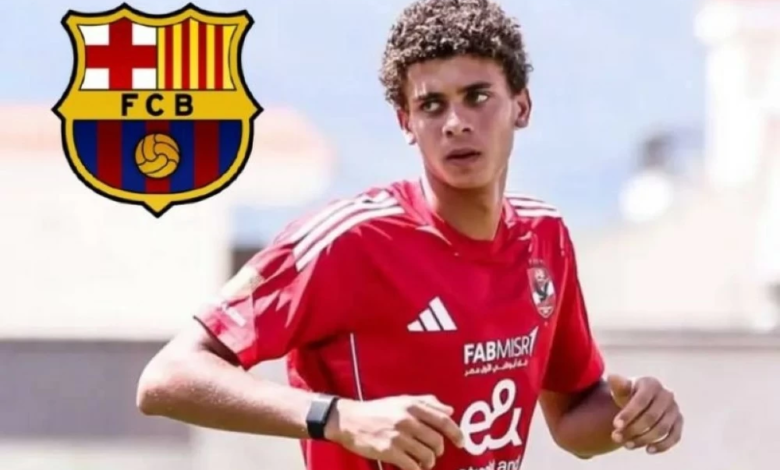

تترقب الجماهير المصرية والعربية بشغف كبير الإعلان الرسمي عن واحدة من أبرز الصفقات المحتملة في تاريخ الكرة المصرية، والمتمثلة في انتقال حمزة عبدالكريم، مهاجم النادي الأهلي الشاب، إلى صفوف نادي برشلونة الإسباني. وقد كشفت تقارير صحفية حديثة عن تطورات جديدة ومثيرة بشأن هذه الصفقة التي كان من المفترض حسمها خلال فترة الانتقالات الشتوية الحالية.
تعقيدات إدارية تؤجل الحلم المصري
على الرغم من التأكيدات الصادرة من داخل القلعة الحمراء، وتحديداً تصريحات وليد صلاح الدين، مدير الكرة بالنادي الأهلي، التي أشارت إلى إتمام انتقال اللاعب الواعد إلى العملاق الكتالوني، إلا أن الصحافة الإسبانية كان لها رأي آخر يوضح سبب الصمت الرسمي حتى الآن.
وذكرت صحيفة «موندو ديبورتيفو» المقربة من أسوار النادي الكتالوني، أن إدارة برشلونة تواجه تعقيدات إدارية حالت دون الإعلان الرسمي عن الصفقة. ولم تفصح الصحيفة عن التفاصيل الدقيقة لهذه العقبات، ولكن في سياق الانتقالات الأوروبية، عادة ما تتعلق هذه الأمور بقوانين اللعب المالي النظيف، أو إجراءات استخراج تصاريح العمل للاعبين من خارج الاتحاد الأوروبي، أو لوائح الاتحاد الدولي (فيفا) المتعلقة بانتقالات اللاعبين القصر والشباب، وهي إجراءات تتطلب وقتاً وتدقيقاً قانونياً صارماً.
دوافع فنية وحاجة ملحة في «لا ماسيا»
بعيداً عن الشق الإداري، فإن الرغبة الفنية لبرشلونة في ضم «عبدالكريم» تبدو قوية وملحة. يعاني الفريق الرديف لبرشلونة (Barça Atlètic) من نقص عددي واضح وغيابات مؤثرة في الخط الأمامي، مما دفع الإدارة الرياضية للنادي إلى البحث عن حلول سريعة وفعالة من خلال استقطاب المواهب الشابة.
وتسعى إدارة النادي الكتالوني لتسريع إجراءات التعاقد لتدعيم صفوف الفريق بلاعب يمتلك حساً تهديفياً عالياً، وهو ما وجدوه في مهاجم الأهلي. وفي حال تكللت هذه الجهود بالنجاح وتم الإعلان الرسمي، سيدخل حمزة عبدالكريم التاريخ من أوسع أبوابه كأول لاعب مصري يرتدي قميص «البلوغرانا» رسمياً، مما يفتح الباب أمام حقبة جديدة للاعبين المصريين في الدوري الإسباني (الليجا).
تألق دولي لفت أنظار كشافة أوروبا
لم يأتِ اهتمام برشلونة من فراغ، بل كان نتاجاً لمتابعة دقيقة لمسيرة اللاعب الدولية. فقد قدم حمزة عبدالكريم أوراق اعتماده كمهاجم واعد خلال مشاركته مع منتخب مصر تحت 17 عاماً في بطولة كأس العالم للناشئين التي استضافتها قطر في نوفمبر الماضي.
ونجح اللاعب في خطف الأنظار بفضل قدراته التهديفية، حيث تمكن من زيارة شباك منتخبي هايتي وفنزويلا، مسجلاً هدفين حاسمين. هذا الأداء القوي في محفل عالمي جعل منه هدفاً لعدد من الأندية الأوروبية التي تراقب بطولات الناشئين بحثاً عن الجواهر الخام، إلا أن برشلونة كان الأكثر جدية في خطواته لضم الموهبة المصرية.
الأبعاد المستقبلية للصفقة
تمثل هذه الصفقة، في حال إتمامها، نقلة نوعية في تسويق اللاعب المصري عالمياً. فالانتقال المباشر من الدوري المصري إلى نادٍ بحجم برشلونة يعد سابقة نادرة، تؤكد على جودة قطاعات الناشئين في مصر وتحديداً في النادي الأهلي. كما أن نجاح التجربة قد يشجع الأندية الإسبانية الأخرى على توجيه أنظارها نحو المواهب الصاعدة في شمال أفريقيا بشكل أكبر في المستقبل القريب.