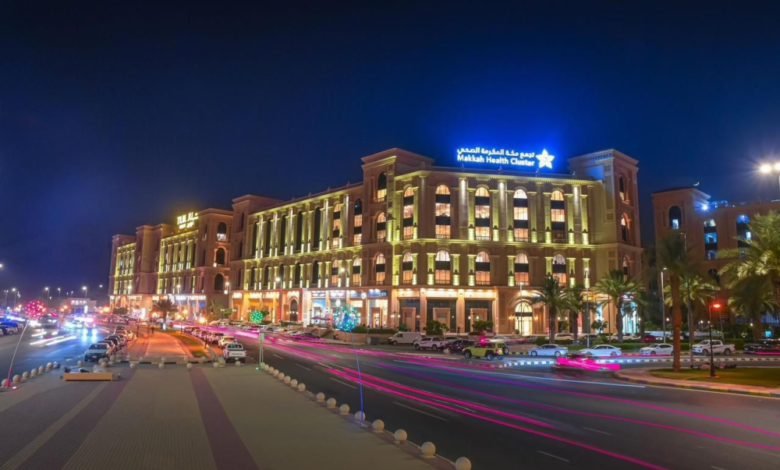

Intensive efforts by the Makkah Health Cluster to serve the pilgrims
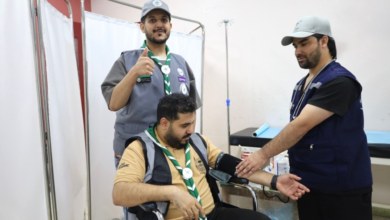
As part of early and ongoing preparations to ensure the safety of the Hajj season, the Makkah Health Cluster its intensive and exceptional efforts to safeguard the health and well-being of pilgrims. These efforts have resulted in record-breaking figures in preventative healthcare, with the total number of seasonal vaccines administered since the 6th of Shawwal reaching approximately 340,000 doses for those serving pilgrims.
Details of vaccines provided to Hajj workers
This proactive step aligns with the strict health requirements adopted for the Hajj season, which aim to protect frontline workers. The doses provided cover the most important infectious diseases, as follows:
- Seasonal flu vaccine: 174,333 doses were given, to prevent colds and common respiratory infections in crowded gatherings.
- Meningococcal vaccine: The number of doses reached 144,761 doses, and it is one of the most important mandatory vaccines to prevent the spread of this serious disease.
- COVID-19 vaccine: 20,393 doses have been administered to ensure continued community immunity against the coronavirus and its variants.
Historical context and institutional interest in the health of pilgrims
Historically, the Kingdom of Saudi Arabia has placed the health of pilgrims and Umrah performers at the forefront of its priorities since its unification. With the launch of Vision 2030, this commitment has been further solidified through the “Guests of God Service Program,” which aims to transform the Hajj and Umrah experience. Preventive healthcare, such as the vaccination campaigns implemented by the Makkah Health Cluster, is a cornerstone of this program. The Kingdom relies on the latest international medical protocols to ensure that the holy sites remain free from any epidemics or infectious diseases that could disrupt this great religious rite.
Streamlining procedures and increasing capacity
To ensure the smooth delivery of these vaccines to all those targeted, the Makkah Health Cluster implemented an integrated strategy to protect public health. This strategy included a significant increase in the number of appointments available for vaccination services. All healthcare workers were able to access the vaccines directly and quickly without having to wait in long queues. To further enhance this approach, working hours were extended, and appointments were made available even on weekends, reflecting the high level of flexibility and preparedness of the healthcare system.
Importance and expected impact: locally, regionally, and internationally
The impact of this massive preventative campaign is not limited to the local level; it extends to crucial regional and international dimensions. Locally, these vaccinations contribute to protecting national and resident personnel working in Hajj, ensuring the continued provision of services with high efficiency and alleviating the potential burden on hospitals and emergency centers in Mecca and the Holy Sites.
At the regional and international levels, the Hajj represents the largest annual human gathering in the world, with pilgrims arriving from more than 150 countries. Therefore, immunizing healthcare workers who interact directly with these pilgrims serves as a strong deterrent against the spread of infectious diseases and their transmission across borders. These measures are fully aligned with World Health Organization recommendations and contribute to strengthening global health security, underscoring the Kingdom's leading role in managing medical crowds.
Summary of preventive efforts
In conclusion, this comprehensive national campaign aims to raise community immunity and achieve the highest standards of preventative safety. The Makkah Health Cluster's commitment to providing a safe and healthy environment reflects its unwavering dedication to serving the pilgrims, ensuring their safe return home after performing their rituals in a health-free environment.