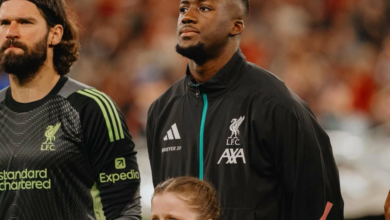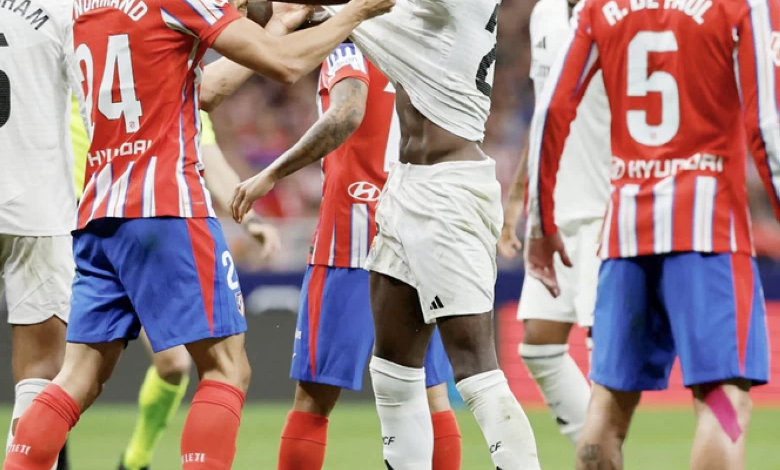

In the world of modern football, technical skill and physical fitness are no longer the sole criteria for achieving stardom and victory. Under the glaring spotlights and ever-present camera lenses, the phenomenon of "provocative gestures" has emerged as a controversial feature of the pitch. These actions, ranging from physical gestures to provocative words, have transcended mere fleeting emotions, sometimes becoming deliberate tactics or outbursts of anger that cost entire teams championships.
Psychological warfare under the microscope
In an interview with Okaz newspaper, sports psychologist Dr. Ahmed Saad confirmed a noticeable increase in such behaviors on the field. He explained that it's no longer limited to isolated incidents but has become a recurring phenomenon, particularly in high-profile and crucial matches. Dr. Saad attributes these actions to the immense psychological pressure on players and the strong desire to disrupt the opponent's focus and throw them off their game, a tactic known in sports as "psychological warfare.".
In a related context, the “trend obsession” plays a hidden role in fueling this phenomenon; some players seek to attract attention and create a “catch” that spreads like wildfire across social media platforms and satellite channels, mistakenly believing that this negative fame enhances their public presence.
The impact of technology and media on player behavior
Historically, and in the evolution of the game, technological advancements, the introduction of VAR (Video Assistant Referee) technology, and the proliferation of cameras have revealed subtle details that were previously invisible. In the past, some provocations went unpunished or unnoticed, but today every move is scrutinized, intensifying the controversy surrounding them. This pre-match media hype surrounding major games, coupled with the heightened tension in the stands, creates a fertile ground for conflict, making players less able to control their emotions unless they receive professional psychological and pedagogical preparation.
International regulations and deterrent sanctions
Regarding the legal stance, Dr. Ahmed Saad pointed out that the regulations of major sports federations, from FIFA to continental federations like the Asian Football Confederation, are clear and strict. The rules stipulate that unsportsmanlike conduct is punished with colored cards (warning or expulsion), and penalties can escalate to fines and lengthy suspensions if the provocation leads to a mass brawl or disorder. These penalties are primarily aimed at protecting the spirit of sportsmanship and the civilized image of the game before the world.
The division of the masses and moral responsibility
The public scene appears divided regarding these actions; while a segment of fans sees these movements as an expression of "passion" and self-confidence, a wide segment rejects these behaviors, considering them a distortion of the beauty of football and a source of fueling fanaticism, especially their negative impact on young people who take the stars as role models.
Dr. Saad concluded his speech by emphasizing that sports are a moral message before they are results, stressing the need for administrations and technical staff to join forces to establish a culture of respect and mental discipline, because a single moment of recklessness can destroy the effort of an entire season, while the sporting spirit remains immortal in the memory of history.