Putin and al-Sharaa meet: Strengthening Syrian-Russian relations and overcoming differences

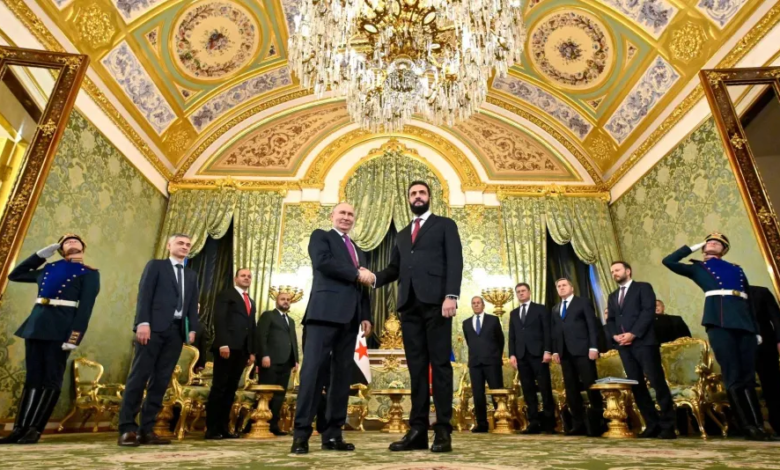
Diplomatic circles were abuzz with interest in the meeting between Russian President Vladimir Putin and Farouk al-Sharaa, a move primarily aimed at strengthening bilateral relations between Moscow and Damascus and working diligently to avoid points of contention that could disrupt the strategic alliance between the two countries. This meeting comes at a sensitive time, requiring high-level coordination to confront escalating regional and international challenges.
The depth of historical relations between Russia and Syria
This meeting cannot be viewed in isolation from the long historical context that binds the two countries. Russian-Syrian relations span decades, characterized by close cooperation in the military, political, and economic spheres. Moscow has always considered Damascus a strategic ally in the Middle East, and Syria has been a pivotal cornerstone of Russian policy in the region. This historical legacy lends added significance to meetings between leaders and high-ranking officials, such as Putin and al-Sharaa, as they build upon a solid foundation of previous understandings to ensure the continuation of this alliance.
The importance of the meeting in the regional and international context
This meeting is of particular importance given the complex geopolitical circumstances in the region. On the one hand, Russia seeks to consolidate its influence as a key international player and guarantor of stability in the Middle East. On the other hand, Syria needs continued Russian support in international forums and in matters related to reconstruction and security. The focus on "avoiding contentious issues" indicates diplomatic maturity and a shared desire to prioritize higher interests and seek common ground on thorny issues, rather than getting bogged down in details that could lead to divergent viewpoints.
The implications of dialogue and its expected impact
The presence of a seasoned diplomat like Farouk al-Sharaa at this meeting reflects a desire to employ the language of established diplomacy to resolve complex issues. The anticipated impact of this meeting extends beyond the bilateral sphere, encompassing a broader regional realignment and sending clear messages to regional and international powers that coordination between Moscow and Damascus remains strong and ongoing. This rapprochement is expected to lead to increased economic and political cooperation, bolstering both sides' ability to withstand external pressures and sanctions, and opening new avenues for sustainable political solutions.
In conclusion, the meeting between Putin and Al-Sharaa represents a pivotal moment that confirms that direct and frank dialogue is the best way to strengthen alliances and overcome obstacles, which serves the stability and security of the region.