Putin and al-Sharaa meet: Strengthening the alliance and postponing disagreements

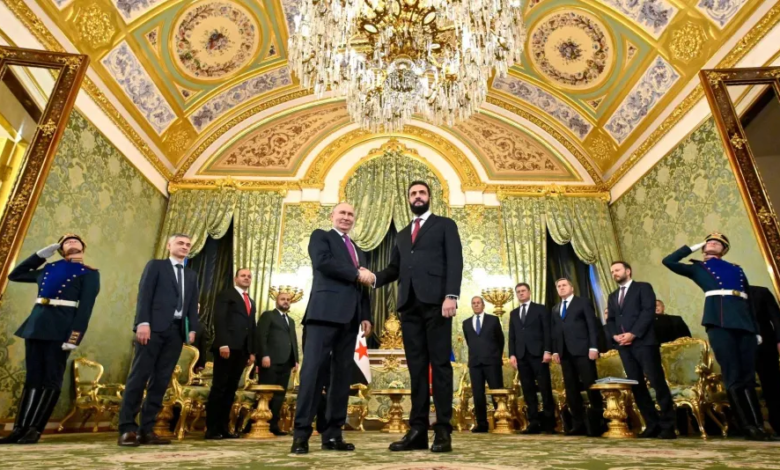
The meeting between Russian President Vladimir Putin and Syrian official Farouk al-Sharaa marked a significant milestone in diplomatic relations between Moscow and Damascus. The meeting's overarching theme of "postponing points of contention" and "developing relations" reflected a pragmatic approach governing the strategic alliance between the two countries. This meeting underscored their mutual commitment to maintaining high-level coordination, despite natural differences of opinion on certain detailed or tactical issues.
The depth of historical relations between Russia and Syria
This meeting cannot be viewed in isolation from the long historical context that binds the two countries. Syrian-Russian (and formerly Soviet) relations span decades, characterized by close military, economic, and political cooperation. Moscow has always considered Damascus a key strategic ally in the Middle East and a vital foothold on the Mediterranean. Conversely, Syria has viewed Russia as a powerful international backer that counterbalances Western and regional pressures. This historical legacy makes "developing relations" a consistent strategic choice, unaffected by circumstantial changes.
Implications of postponing contentious issues
The term “postponing points of contention,” which emerged during this meeting, carries significant diplomatic implications. In international political practice, allied nations resort to this approach when overarching shared interests outweigh immediate points of disagreement. These points may relate to mechanisms for addressing complex regional issues or the pace of implementing certain agreements, but the decision to postpone discussion reflects the two sides’ desire to prevent these differences from disrupting the strategic alliance and to focus instead on common ground that serves the national security of both countries.
Strategic importance and regional influence
Any high-level meeting between the Russian and Syrian leadership acquires significance that transcends bilateral boundaries, encompassing the entire regional and international landscape. Coordination between Putin and al-Sharaa sends multifaceted messages:
- Regionally: It confirms the continued active role of Russia in Middle Eastern issues, and that Moscow is strongly present in the details of the thorny issues.
- Internationally: The cohesion of the Russian-led axis is evident in the face of attempts at isolation or political pressure, which strengthens the Russian and Syrian negotiating position in international forums.
In conclusion, this meeting proves that relations between major powers and their allies are built on long-term strategic interests, and that the ability to manage and postpone disagreements in favor of developing cooperation is what ensures the continuity of these alliances in a region rife with turmoil and rapid changes.