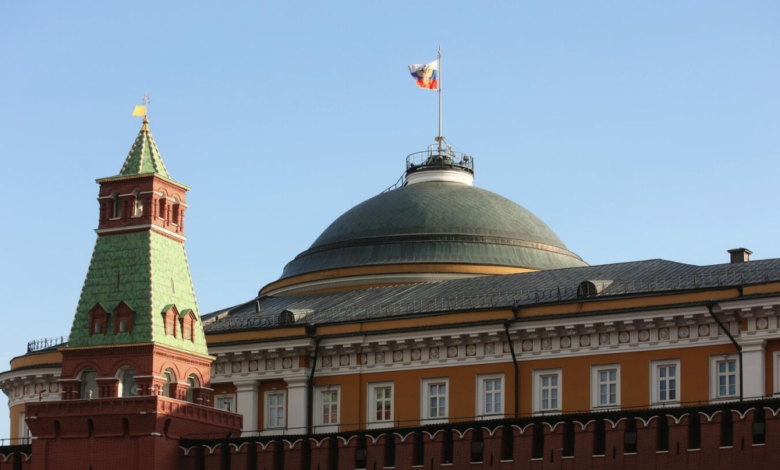
أكد الكرملين، يوم الإثنين، أن الرئيس الروسي فلاديمير بوتين قد تلقى دعوة رسمية للانضمام إلى "مجلس السلام"، وهو الهيئة الجديدة التي أعلن عنها الرئيس الأمريكي دونالد ترامب بهدف الإشراف على إدارة قطاع غزة وإعادة إعماره في مرحلة ما بعد الحرب. ويأتي هذا الإعلان ليضفي بعداً دولياً جديداً على الجهود الرامية لاحتواء الأزمة الإنسانية والسياسية في المنطقة.
وفي تصريحات صحفية، قال المتحدث باسم الرئاسة الروسية، دميتري بيسكوف: "تلقى الرئيس بوتين بالفعل دعوة للانضمام إلى مجلس السلام". ومع ذلك، لم يبدِ الكرملين قبولاً فورياً أو رفضاً للدعوة، حيث أوضح بيسكوف أن موسكو تتبنى نهجاً حذراً، مشيراً إلى أن روسيا تسعى أولاً إلى "توضيح كل التفاصيل الدقيقة" المتعلقة بهذا العرض مع الجانب الأمريكي قبل اتخاذ قرار نهائي. وتعكس هذه الخطوة رغبة موسكو في فهم طبيعة الصلاحيات الممنوحة لهذا المجلس ومدى استقلاليته.
سياق المبادرة الأمريكية وأهدافها
تأتي هذه الدعوة في إطار خطة أمريكية أوسع كشف عنها البيت الأبيض، تهدف إلى وضع تصور لمستقبل قطاع غزة بعد انتهاء العمليات العسكرية. ووفقاً للمعلومات المتداولة، فإن "مجلس السلام" الذي يرغب ترامب في تولي رئاسته، سيضم نخبة من القادة والسياسيين والدبلوماسيين الدوليين. وتتمحور مهام المجلس حول ضمان الأمن، وتنسيق جهود الإعمار الهائلة التي يحتاجها القطاع، بالإضافة إلى وضع أسس لحكم مدني مستقر.
الأبعاد الجيوسياسية للدعوة
تحمل دعوة الرئيس الروسي للانضمام إلى هذا المجلس دلالات سياسية عميقة تتجاوز حدود غزة. فعلى الرغم من التوترات الجيوسياسية القائمة بين واشنطن وموسكو في ملفات أخرى، إلا أن إشراك روسيا في ترتيبات الشرق الأوسط يعكس اعترافاً أمريكياً بضرورة وجود توافق دولي واسع لضمان نجاح أي حلول مستقبلية للصراع الفلسطيني الإسرائيلي. وتعتبر روسيا لاعباً تقليدياً في المنطقة، وعضواً دائماً في مجلس الأمن، ولديها قنوات اتصال مفتوحة مع مختلف الأطراف الفاعلة، مما قد يمنح المجلس ثقلاً دبلوماسياً إضافياً.
تحديات إعادة الإعمار والاستقرار
يواجه "مجلس السلام" المقترح تحديات جسيمة، أبرزها تأمين التمويل اللازم لإعادة بناء البنية التحتية المدمرة بالكامل في غزة، والتي تقدر تكاليفها بعشرات المليارات من الدولارات. بالإضافة إلى ذلك، فإن التحدي الأكبر يكمن في التوصل إلى صيغة سياسية مقبولة محلياً وإقليمياً لإدارة القطاع. ويرى مراقبون أن انضمام قوى عظمى مثل روسيا إلى هذا المجلس قد يساهم في خلق توازن دولي يضمن عدم انفراد طرف واحد بالقرارات المصيرية المتعلقة بمستقبل الفلسطينيين.