
في تصريح حاسم يحدد ملامح المرحلة المقبلة من الصراع، أكد الرئيس الروسي فلاديمير بوتين أن حرب أوكرانيا لن تضع أوزارها إلا بتحقيق روسيا لأهدافها التي وضعتها منذ بدء “العملية العسكرية الخاصة”. جاء هذا التأكيد خلال كلمته في منتدى سانت بطرسبرغ الاقتصادي الدولي، حيث شدد على أن الأعمال القتالية ستتوقف في اللحظة التي يتم فيها تحقيق تلك الأهداف بالكامل، رافضاً أي حلول وسط لا تضمن المصالح الاستراتيجية لموسكو.
جذور الصراع وأبعاد الأزمة الحالية
لم تبدأ التوترات بين روسيا وأوكرانيا في فبراير 2022، بل تعود جذورها إلى عقود مضت، وتحديداً بعد تفكك الاتحاد السوفيتي. شعرت روسيا بقلق متزايد من التوسع شرقاً لحلف شمال الأطلسي (الناتو)، معتبرة إياه تهديداً مباشراً لأمنها القومي. تصاعدت الأزمة بشكل كبير في عام 2014 بعد الإطاحة بالرئيس الأوكراني الموالي لموسكو، فيكتور يانوكوفيتش، وما تلاه من ضم روسيا لشبه جزيرة القرم وبدء الصراع في إقليم دونباس بين القوات الأوكرانية والانفصاليين المدعومين من روسيا. هذه الخلفية التاريخية المعقدة تشكل الإطار الذي تنطلق منه “الأهداف” التي تحدث عنها بوتين، والتي ترى فيها موسكو تصحيحاً لمسار جيوسياسي تعتبره خطراً عليها.
أهداف روسيا وتأثير حرب أوكرانيا العالمي
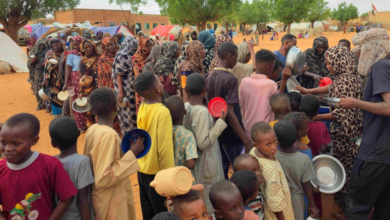
حددت روسيا منذ البداية أهدافاً رئيسية لعمليتها العسكرية، أبرزها “نزع سلاح” أوكرانيا و”اجتثاث النازية منها”، وضمان حيادها الدستوري، بما يعني التخلي عن أي طموحات للانضمام إلى الناتو. كما تهدف إلى حماية السكان الناطقين بالروسية والاعتراف بسيادة روسيا على شبه جزيرة القرم واستقلال جمهوريتي دونيتسك ولوغانسك (اللتين تم ضمهما لاحقاً). إن إصرار بوتين على تحقيق هذه الأهداف يعني أن الصراع قد يطول أمده، مما يزيد من تداعياته العالمية. فقد أدت الحرب إلى أزمة إنسانية كبرى، وأثرت بشكل مباشر على أسواق الطاقة والغذاء العالمية، ودفعت إلى إعادة تشكيل التحالفات الدولية، مع فرض عقوبات اقتصادية غير مسبوقة على روسيا من قبل الدول الغربية.
مواقف متباينة ومسار مسدود للمفاوضات
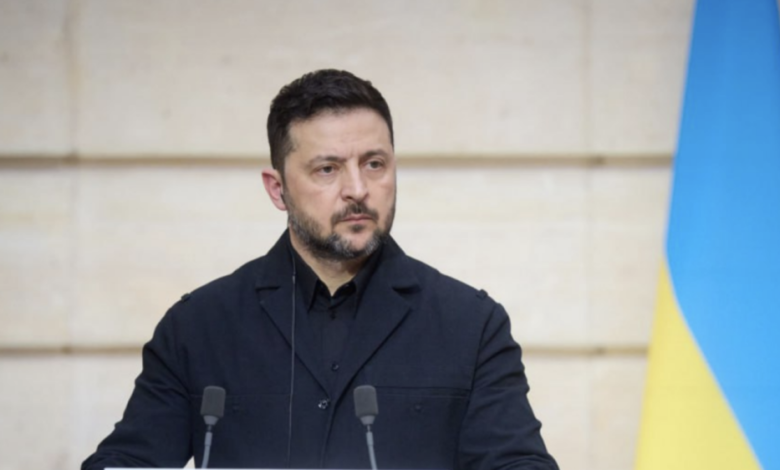
على الجانب الآخر، يرفض الرئيس الأوكراني فولوديمير زيلينسكي بشكل قاطع الشروط الروسية، مؤكداً أن السلام لن يتحقق إلا بانسحاب كامل للقوات الروسية من جميع الأراضي الأوكرانية المعترف بها دولياً، بما في ذلك شبه جزيرة القرم ودونباس. وفي رده على دعوات سابقة للحوار المباشر، اعتبر زيلينسكي أن روسيا اختارت مسار الحرب، وأن أي مفاوضات في ظل استمرار القتال والاحتلال لا جدوى منها. هذا التباين الشديد في المواقف يجعل من الصعب رؤية حل دبلوماسي في الأفق القريب، حيث يتمسك كل طرف بشروطه التي يعتبرها الآخر مستحيلة، مما يترك الباب مفتوحاً أمام استمرار العمليات العسكرية كخيار وحيد لتحقيق الأهداف على الأرض.