
قطر تتضامن مع الإمارات وتدين استهداف محطة براكة
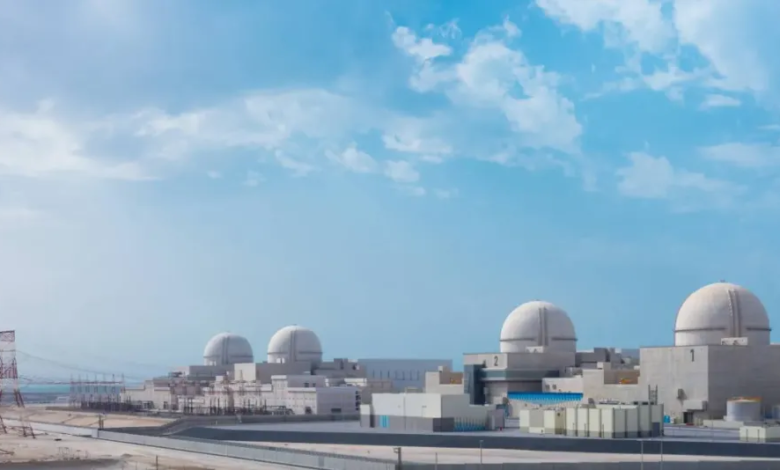
أعربت دولة قطر عن إدانتها واستنكارها الشديدين للاعتداء الذي استهدف دولة الإمارات العربية المتحدة، والذي تمثل في إطلاق ثلاث طائرات مسيرة (مسيّرات) باتجاه محطة براكة للطاقة النووية. وأكدت الدوحة تضامنها الكامل مع أبوظبي في مواجهة أي تهديدات تمس أمنها واستقرارها، مشددة على رفضها القاطع لاستهداف المنشآت المدنية والحيوية، ومؤكدة وقوفها إلى جانب الإمارات في كل ما تتخذه من إجراءات لحفظ أمنها.
الأهمية الاستراتيجية لمحطة براكة النووية
تعتبر محطة براكة للطاقة النووية السلمية، الواقعة في منطقة الظفرة بإمارة أبوظبي، إحدى أهم المشاريع الاستراتيجية في دولة الإمارات والمنطقة العربية ككل. فهي أول محطة للطاقة النووية التجارية في العالم العربي، وتهدف إلى توفير طاقة كهربائية نظيفة وموثوقة لدعم النمو الاقتصادي وتقليل البصمة الكربونية. إن استهداف مثل هذه المنشآت الحساسة لا يمثل فقط تصعيداً خطيراً في وتيرة الهجمات، بل يحمل في طياته مخاطر بيئية وإنسانية كارثية تتجاوز الحدود الجغرافية للدولة المستهدفة لتشمل الإقليم بأسره.
السياق الإقليمي والتضامن الخليجي
تاريخياً، شهدت منطقة الخليج العربي والشرق الأوسط توترات أمنية متصاعدة، حيث تكررت محاولات استهداف البنية التحتية للطاقة والمنشآت الحيوية باستخدام الطائرات المسيرة المفخخة والصواريخ الباليستية من قبل جماعات مسلحة. وتأتي هذه الإدانة القطرية في سياق التقارب الخليجي وتعزيز التضامن بين دول مجلس التعاون، خاصة بعد “بيان العلا” التاريخي في عام 2021، الذي أسس لمرحلة جديدة من التعاون والتنسيق الأمني والسياسي بين دول الخليج، وعلى رأسها قطر والإمارات، لمواجهة التحديات المشتركة والتصدي لأي تدخلات خارجية.
التداعيات الدولية والموقف القانوني
على الصعيد الدولي، يثير استهداف المحطات النووية قلقاً بالغاً لدى المجتمع الدولي والوكالة الدولية للطاقة الذرية. فالمواثيق والقوانين الدولية، بما فيها اتفاقيات جنيف، تحظر بشكل قاطع توجيه أي هجمات عسكرية ضد المنشآت النووية السلمية نظراً للتداعيات الإشعاعية المحتملة التي قد تهدد حياة الملايين وتدمر البيئة. لذلك، فإن هذا الحدث يسلط الضوء مجدداً على الحاجة الماسة لتكثيف الجهود الدولية والإقليمية لردع مثل هذه التهديدات، وتعزيز أنظمة الدفاع الجوي، وتأمين الممرات الملاحية ومصادر الطاقة العالمية.
القدرات الدفاعية وحماية الاقتصاد
وقد أثبتت دولة الإمارات قدرة عالية في التعامل مع هذه التهديدات من خلال منظوماتها الدفاعية المتطورة التي تعمل على اعتراض وتدمير الأهداف المعادية قبل وصولها إلى أهدافها. كما أن الاقتصاد الإماراتي، الذي يعد من أقوى الاقتصادات في المنطقة، يعتمد على بيئة آمنة ومستقرة لجذب الاستثمارات الأجنبية، وبالتالي فإن حماية هذه المكتسبات تعد أولوية قصوى. إن التنديد الواسع بمثل هذه الهجمات يعزز من عزلة الجهات المنفذة ويؤكد على الإجماع العالمي حول ضرورة حماية البنية التحتية المدنية.
ختاماً، يعكس الموقف القطري الداعم للإمارات التزاماً راسخاً بمبادئ حسن الجوار والأمن الجماعي الخليجي. إن استقرار دولة الإمارات هو جزء لا يتجزأ من استقرار المنطقة، وأي مساس بأمنها يعد تهديداً للأمن والسلم الدوليين، مما يستوجب موقفاً حازماً من المجتمع الدولي لوقف هذه الاعتداءات ومحاسبة الجهات التي تقف وراءها، لضمان استمرار مسيرة التنمية والسلام في منطقة الشرق الأوسط.