The Emir of Qatar discusses de-escalation in the region with Trump and Larijani

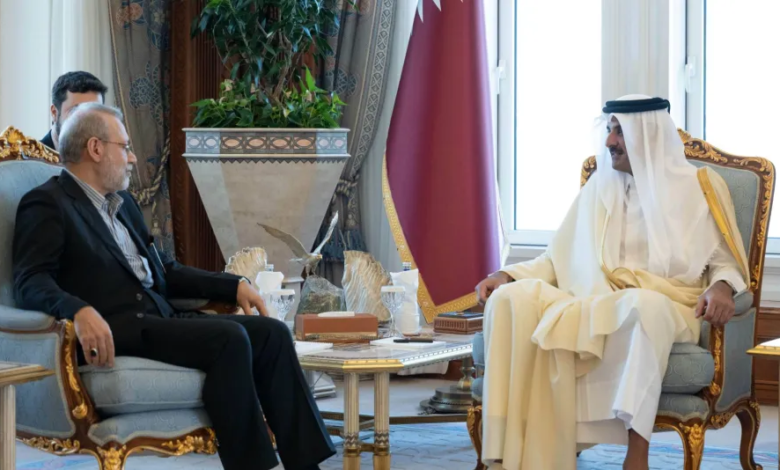
As part of Qatar's ongoing diplomatic efforts to ensure stability in the Middle East, His Highness Sheikh Tamim bin Hamad Al Thani, the Emir of Qatar, held separate strategic talks with US President-elect Donald Trump and Ali Larijani, a senior advisor to the Iranian Supreme Leader. These moves come at a highly sensitive time for the region, amid international concerns about the escalation of conflict and the worsening of humanitarian and political crises.
Strategic talks with the new US administration
The talks between the Emir of Qatar and US President-elect Donald Trump focused on ways to strengthen the close strategic relationship between the two countries, as well as discussing the latest regional and international developments. These talks are particularly significant given Doha's pivotal role as a major non-NATO ally of the United States and its hosting of Al Udeid Air Base, a vital hub for US operations in the region. Observers believe that this early engagement with the incoming US administration reflects a shared desire to coordinate positions on sensitive issues, most notably the war in Gaza and the tensions in Lebanon.
Coordination with the Iranian side to ensure the security of the region
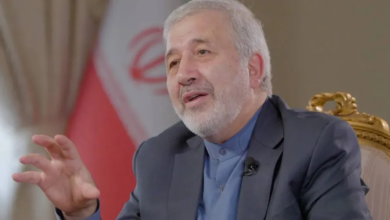
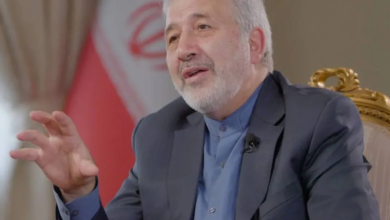
In a related development, the Emir of Qatar met with Ali Larijani, advisor to the Supreme Leader of the Islamic Republic of Iran, where they reviewed bilateral relations and ways to develop them, in addition to discussing issues of common interest. This meeting comes as part of a series of ongoing consultations between Doha and Tehran, as Qatar plays a traditional role as a trusted mediator to bridge the gap between the West and Iran. Qatar has previously succeeded in facilitating prisoner exchanges and the release of frozen assets, which enhances its credibility in managing complex issues.
Qatar's role in mediation and de-escalation
These coordinated moves highlight Qatar’s continued foreign policy approach based on “preventive diplomacy” and active mediation. Amid escalating tensions in the Red Sea and on various battlefronts, Doha is leveraging its balanced relationships with all relevant actors—whether in Washington, Tehran, or other regional capitals—to find political solutions to the current crises. Experts emphasize that the success of any de-escalation strategy requires international and regional consensus, which Doha is striving to achieve by opening direct and effective channels of communication aimed primarily at halting the bloodshed and averting a full-blown war in the region that could have catastrophic repercussions for the global economy and security.