Qatar Energy suspends gas production and declares force majeure: Prices skyrocket

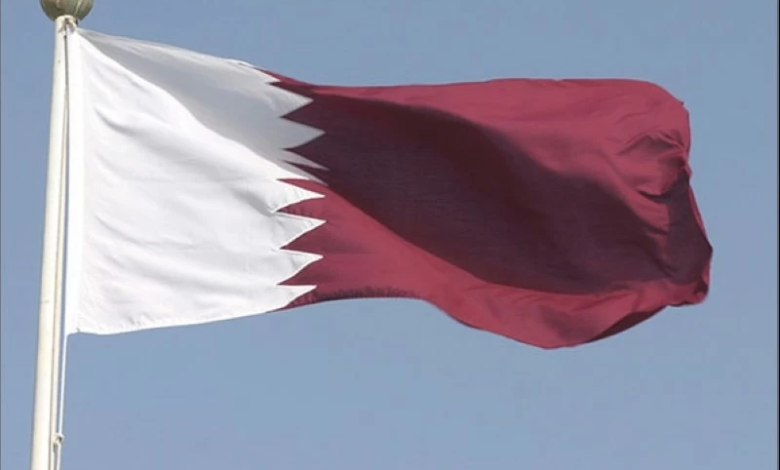
Qatar Energy officially announced today a complete suspension of liquefied natural gas production and related derivatives, declaring a state of force majeure, following direct military attacks on its vital facilities in the industrial cities of Ras Laffan and Mesaieed.
This announcement comes as a major shock to global energy markets, as the German news agency quoted the company confirming its commitment to transparency, saying: “Qatar Energy values its relationships with all relevant parties and will continue to communicate available information as it becomes available,” indicating the seriousness of the situation and the current uncertainty regarding when operations will resume.
Details of the military attack
In a related context, the Qatari Ministry of Defense revealed details of the attack, explaining that two Iranian-made drones carried out an attack targeting a water tank at the Mesaieed power station, as well as a facility belonging to Qatar Energy in Ras Laffan Industrial City, which is the heart of the gas industry in the Gulf state.
Expectations of a dramatic price surge
This event cast a dark shadow over global economic prospects, with analysts at Goldman Sachs warning of catastrophic scenarios for energy prices. The bank indicated that natural gas prices in Europe could more than double if the situation escalated to a month-long disruption of shipping through the Strait of Hormuz.
Analysts believe that markets in Europe and Asia have not adequately priced in the geopolitical risks associated with tensions with Iran. According to the bank's estimates, a 30-day supply disruption could drive up spot gas prices in Asia and European gas prices by up to 130%, pushing the price per million British thermal units (MMBtu) to nearly $25, potentially triggering a new global energy crisis.
Strategic importance and impact of the Strait of Hormuz
These developments are particularly dangerous given Qatar's strategic location as one of the world's largest exporters of liquefied natural gas (LNG). The Strait of Hormuz is a vital artery for global energy supplies, with approximately one-fifth of the world's LNG exports passing through it, in addition to vast quantities of crude oil.
Bloomberg reported that the market reaction was immediate, with benchmark futures jumping by as much as 25%, marking the biggest daily increase since August 2023. This surge was driven by the near-complete halt of oil and gas tanker traffic through the strait earlier this week, amid fears that escalating violence in the Middle East could lead to a prolonged supply disruption, putting global energy security, particularly in Europe, at risk as peak consumption seasons approach.